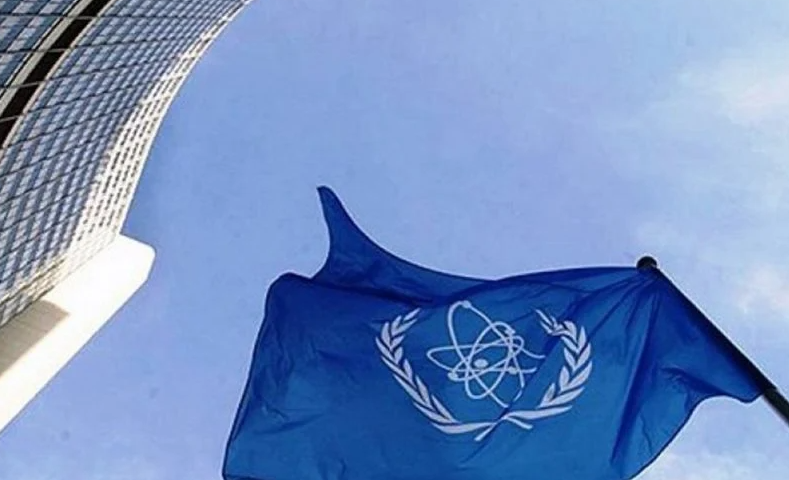
Fereydoon Abbasi, former head of Iran’s Atomic Energy Organization, urged for increased uranium enrichment in response, claiming Iran has already cooperated “beyond its commitments” to the agency. Speaking to ISNA, Abbasi declared, “The time has come to move towards higher enrichment to advance our technical and nuclear knowledge.”
Abbasi’s statements underscore a defiant strategy by Tehran as it faces mounting international scrutiny. Instead of addressing concerns raised by the IAEA and global powers, Iranian leaders appear to be doubling down on their nuclear activities. Abbasi hinted at activating the Arak heavy water reactor to produce plutonium, signaling an alarming shift toward further violations of international agreements.
#Iran’s Regime Gripped by Fear Over Potential Activation of #UNSC Snapback Mechanismhttps://t.co/ZQmuuxPniw
— NCRI-FAC (@iran_policy) November 24, 2024
Iranian Parliament Speaker Mohammad Bagher Ghalibaf echoed this defiance, calling the IAEA resolution “destructive and politically motivated.” Ghalibaf accused Western powers of exploiting Iran’s “peaceful” nuclear program as a pretext for illegitimate actions and announced plans to deploy advanced centrifuges. He also suggested Iran might consider measures that would distance the nation from its obligations under IAEA protocols, a sentiment that has gained traction among Iranian lawmakers.
Parliament members Fatemeh Mohammadbeigi and Ahmad Bakhshayesh Ardestani expressed frustration over recent developments. Ardestani even suggested that building a nuclear bomb could shift international dynamics, stating, “If we build a nuclear bomb, even Trump’s tone will change.” Similarly, MP Ruhollah Najabat advocated for withdrawing from the Non-Proliferation Treaty (NPT) as a response to what Tehran views as hostility.
Religious figures have joined the call for escalation, with Mohammadreza Hamedi urging Supreme Leader Ali Khamenei to reconsider his fatwa against nuclear weapons. Hamedi framed nuclear armament as essential for national security, stating, “This weapon is not for use but for deterrence.”
#Iran News: Larijani Claims Tehran Can Achieve Military #Nuclear Readiness in 24 Hourshttps://t.co/KtTUnFtBPs
— NCRI-FAC (@iran_policy) November 19, 2024
Meanwhile, Iranian state-controlled media proposed retaliatory measures, including restricting European access to the Strait of Hormuz, while warning of potential Chapter VII sanctions and UN Security Council involvement. Former diplomats have cautioned that the escalating tensions could trigger the “snapback” mechanism, reinstating previous UN sanctions on Iran.
As Tehran accelerates its nuclear ambitions, the international community faces a critical juncture. Experts argue that reimposing UN sanctions and supporting Iran’s organized resistance could pave the way for regional stability and democratic change. However, the situation demands swift and decisive action to counter the growing threat.