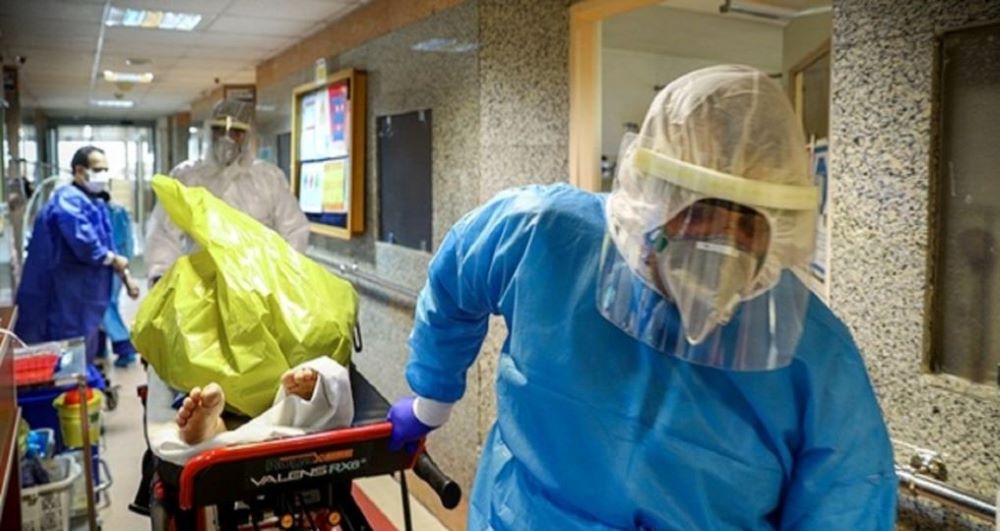
This alarming trend underscores the profound challenges faced by healthcare professionals in the country, signaling a systemic crisis that demands urgent attention.
Recent reports have documented five suicides among physicians in just 47 days, highlighting a grim reality in the Iranian healthcare landscape. The case of Zahra Maleki Ghorbani, a young doctor who succumbed to the pressures of her demanding career and personal hardships, has brought this issue to the forefront of national discourse. Her tragic demise is not isolated, as many of her peers face similar battles.
The stressors are multifaceted, stemming from grueling work hours, financial difficulties, and often a lack of respect from hospital administration. Mohammad Mirkhani, a social advisor to the Medical Organization, described the working conditions for medical residents as “barracks-like,” with some doctors working shifts up to 72 hours without sleep, leading to severe physical and mental health repercussions.
#Iran News in Brief
Hamid Peyravi, Vice President of the regime's #Suicide Prevention Scientific Society: “Last year, for every 100,000 individuals, 7.4 suicides resulted in death, totaling over 6,000 fatalities. Approximately 120,000 suicide attempts were officially recorded in… pic.twitter.com/AGK3QPbI4K— NCRI-FAC (@iran_policy) December 27, 2023
The issue has gained some visibility in the Iranian parliament, where Homayoun Sameyeh Najafabadi of the Health and Treatment Commission criticized the Health Minister’s inadequate response to the crisis. According to Najafabadi, the plight of physicians has been normalized, with more focus on showcasing dubious achievements rather than addressing the real challenges these professionals face.
Moreover, Mohammad Sharifi-Moghadam from the Nursing House pointed out the rising trend of physician suicides, exacerbated by the transparency afforded by social media, which also reveals the occurrences that go unreported. He criticized the Ministry of Health for ignoring the voices of young physicians and residents who have repeatedly protested their conditions.
#Iran News in Brief
Secretary-General of the Nurses’ House warned that patients in Iran's hospitals are losing their lives due to the shortage of nurses.
A report in May suggested that over 10,000 doctors and nurses had emigrated from Iran in 2022.https://t.co/KtV9LEUNZV pic.twitter.com/D8CD6ANqaJ— NCRI-FAC (@iran_policy) November 12, 2023
This ongoing crisis not only affects the doctors but also the future of healthcare in Iran. Iraj Fazel, President of the Iranian Surgeons Association, warned of an impending shortage of medical specialists if current trends persist. Recent examinations for specialized fields like vascular surgery saw no applicants, indicating a stark decline in interest and an escalating brain drain, as many physicians migrate in search of better opportunities.
The magnitude of the crisis was further underscored by Hossein-Ali Shahriari, head of the Health and Treatment Commission, who revealed that around 10,000 specialists and subspecialists had obtained work migration certificates in just two years, with most heading to Arab countries.
#Iran News in Brief
The head of the regime's Nursing Organization announced that 10,000 nurses who were working in hospitals during the #COVID19 pandemic have been laid off. "This number of nurses are unemployed, young, and married," Mirzabeygi said.https://t.co/nlmazrBx8u pic.twitter.com/yMyPHBo4LL— NCRI-FAC (@iran_policy) September 15, 2022
As Iran continues to grapple with these challenges, the need for comprehensive reform and support for its medical professionals has never been more critical. The healthcare system’s sustainability and the well-being of its physicians hang in the balance, necessitating a strategic response that prioritizes the health and safety of those entrusted with caring for the nation.

MEK Iran (follow us on Twitter and Facebook), Maryam Rajavi’s on her site, Twitter & Facebook, NCRI (Twitter & Facebook), and People’s Mojahedin Organization of Iran – MEK IRAN – YouTu