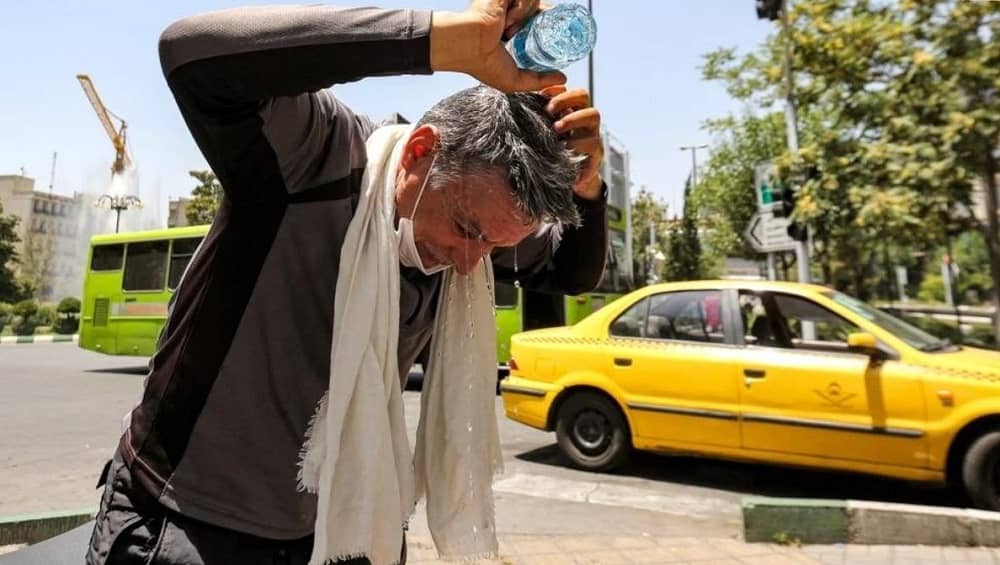
The nation has been hit by severe power outages, water shortages, and industrial shutdowns, exacerbating an already fragile economic situation and fuelling widespread public dissatisfaction. The scorching summer has pushed Iran’s power grid to its limits, leading to significant disruptions across various sectors.
On August 24, Asr Iran, a state-run news outlet, reported that the power cuts had severely impacted businesses and industries. “From bakeries to factories, everyone is affected,” the report highlighted, underscoring the profound economic repercussions of the electricity crisis. With some companies forced to reduce their electricity consumption by up to 90% during peak hours, many production lines have stopped, further straining the country’s struggling economy.
Grim Forecast of #Iran’s Economic Prospects Under Pezeshkianhttps://t.co/nlvKw2HUrb
— NCRI-FAC (@iran_policy) August 23, 2024
Public frustration has reached a boiling point, particularly in regions like Isfahan and Mirjaveh, where shopkeepers and bakers have voiced their anger over the repeated power outages. In Isfahan, shopkeepers lamented their inability to conduct business during peak market hours, while in Mirjaveh, bakers faced the dire consequences of spoiled dough and lost income due to unannounced power cuts.
The situation is compounded by an unprecedented heatwave, driving electricity consumption to record levels. According to Mustafa Rajabi Mashhadi, CEO of Iran’s state power company Tavanir, the country’s electricity demand has exceeded last year’s peak consumption for 42 consecutive days, leading to a power deficit of 17,000 megawatts. This deficit is not merely a product of the heatwave but also a consequence of years of underinvestment in Iran’s aging infrastructure.
The outdated and inefficient power grid has struggled to keep up with rising demand, leading to significant energy wastage and chronic shortages. In addition to the power crisis, Iran is grappling with broader environmental challenges, including severe drought and climate change. The province of Golestan, for instance, faces the imminent threat of a subsidence disaster due to excessive groundwater extraction, which could have devastating effects on the region’s infrastructure.
#Iran News in Brief
US Dollar hits record high in Iran, nearing 63,000 tomans. Despite officials' assurances, Iran's #economy continues to worsen under Raisi's government. In just 10 days, the exchange rate skyrocketed, with the rial losing 14% in value over a month.… pic.twitter.com/SVB6BbQDnW— NCRI-FAC (@iran_policy) April 4, 2024
Despite these challenges, the government is reportedly considering further austerity measures, including potential fuel price hikes and government workforce reductions. However, critics argue that Massoud Pezeshkian’s administration has yet to present a concrete plan to address the country’s mounting crises. Without decisive action, Iran risks further economic decline and increasing public unrest, reminiscent of the uprisings that have shaken the nation in the past.