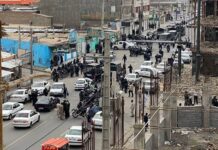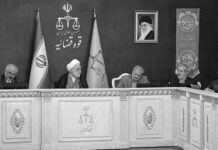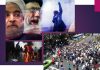
The protests reflect the deepening political and economic crises plaguing the nation, which have only been exacerbated by the new administration handpicked by Supreme Leader Ali Khamenei. Despite the inauguration of a new government, the regime’s inability to address systemic issues has become increasingly apparent, driving widespread frustration.
Among the protests, 159 were led by workers demanding better job security, improved wages, and fair working conditions. Particularly affected were the oil and gas sectors, where grievances centered around unpaid wages, hazardous working environments, and the failure to implement fair employment agreements.
September 30—Kangan, southern Iran
Protest rally by employees of Pars Oil and Gas Company who demand changes to retirement rules, removing the salary ceiling, and other needs.#IranProtests pic.twitter.com/rulwE2mI4j— People's Mojahedin Organization of Iran (PMOI/MEK) (@Mojahedineng) September 30, 2024
Demonstrations were held in key energy hubs, such as the South Pars Gas Field, Bushehr, and Asaluyeh, with workers from refineries and petrochemical plants also joining the movement. The involvement of contracting companies that exploit workers further fueled the unrest, adding to the growing dissatisfaction in the workforce.
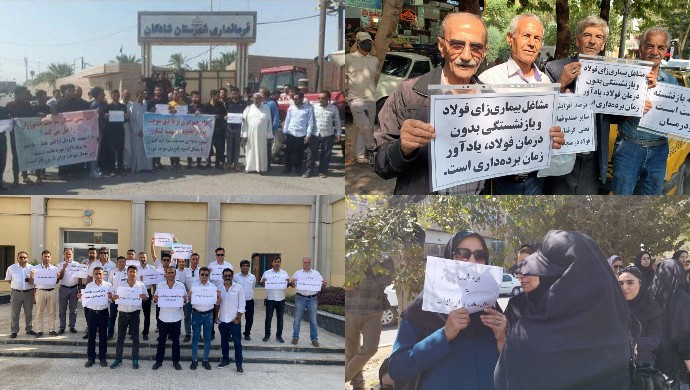
Pensioners, who held 112 protests, demanded immediate government action to address their financial struggles. Their frustrations stemmed from delays in receiving pensions, the lack of income equalization, and the eroding value of their benefits amid skyrocketing inflation. The persistence of these protests highlights the vulnerability of Iran’s aging population as they struggle to survive in an increasingly unstable economy.
September 29—Isfahan, central Iran
Retirees of the steel sector resume protest rallies, demanding higher pensions and other basic needs. #IranProtestspic.twitter.com/YS6lj8RJBA— People's Mojahedin Organization of Iran (PMOI/MEK) (@Mojahedineng) September 29, 2024
Business owners also staged protests, primarily in Sanandaj, Saqqez, and Kermanshah, marking the anniversary of last year’s nationwide uprising. Additionally, merchants in Iranshahr voiced their discontent over road closures, which they claimed directly impacted their livelihoods.
Healthcare professionals, specifically nurses, organized at least 10 protests across cities like Qom and Isfahan. Their demands centered on overdue wage increases, poor working conditions, and delayed overtime payments. These protests underscored the immense pressure on Iran’s healthcare system, which has been severely strained due to the country’s broader economic challenges.
September 26—Yazd, central Iran
Large rally by nurses at Yazd Medical Sciences University, protesting unpaid wages, lack of reform in tariff rules, lack of implementation of regulations for harsh work, forced overtime work, & other problems.#IranProtests pic.twitter.com/Fh3HEjWdrM— People's Mojahedin Organization of Iran (PMOI/MEK) (@Mojahedineng) September 26, 2024
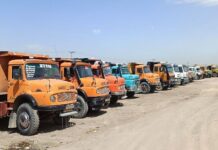
Other sectors also saw significant unrest. Farmers protested water shortages and fuel supply issues, educators demanded fair wages and permanent contracts, and taxi drivers in Tehran called for better financial support. Truck drivers, cattle farmers, and families of prisoners also joined the protests, each with their specific grievances.
With protests sweeping across the country, the Iranian regime faces increasing pressure to address the widespread discontent. As the nation grapples with ongoing political and economic instability, the public’s frustration continues to grow, leaving the future of the regime uncertain.
September 8—Dezful, southwest Iran
Farmers rally to protest low fuel rations for their machinery.#IranProtestspic.twitter.com/0iei2tzl7h— People's Mojahedin Organization of Iran (PMOI/MEK) (@Mojahedineng) September 8, 2024

MEK Iran (follow us on Twitter and Facebook), Maryam Rajavi’s on her site, Twitter & Facebook, NCRI (Twitter & Facebook), and People’s Mojahedin Organization of Iran – MEK IRAN – YouTu