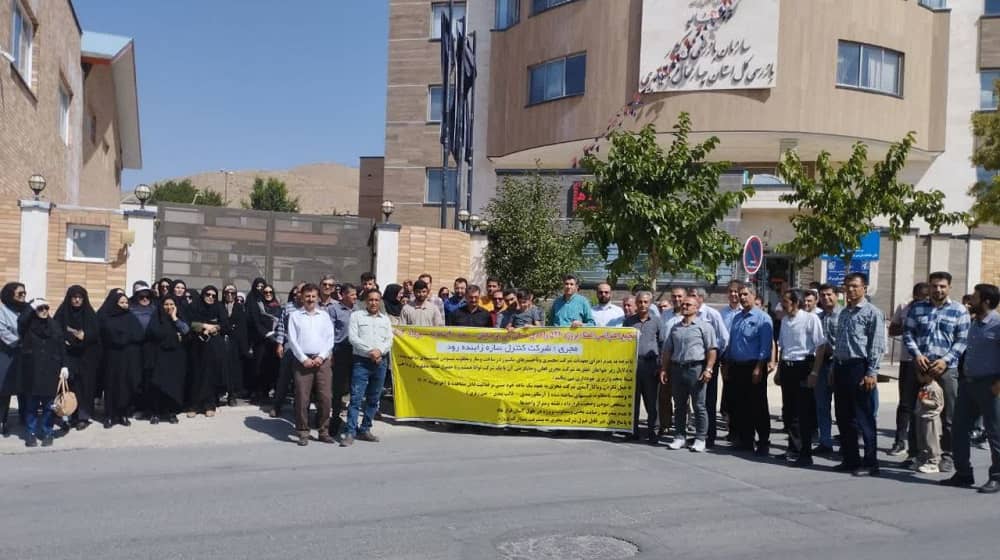
What began as isolated incidents earlier this month has now escalated into a nationwide movement, with healthcare workers, retirees, and laborers from various industries uniting in their grievances.
The healthcare sector, particularly in Mashhad, has become a focal point of the unrest. Widespread strikes have been reported at key hospitals, including Hasheminejad, Akbar, and Imam Reza, following the tragic death of Parvaneh Mandani, a 32-year-old nurse who succumbed to the pressures of overwork.
The incident has ignited fury among nurses and healthcare workers, who are now demanding better wages, improved working conditions, and the enforcement of laws designed to protect their rights. The situation has become so dire that hospitals have ceased admitting non-emergency patients, reflecting the severe impact of the strikes on Iran’s already strained healthcare system.
August 18—Yasuj, southwest Iran
Nurses continue protests in tandem with the nationwide protests by the nurse community. Protesters demand higher wagers, better work conditions, and other basic needs.#IranProtestspic.twitter.com/zkuJaS7CbG— People's Mojahedin Organization of Iran (PMOI/MEK) (@Mojahedineng) August 18, 2024
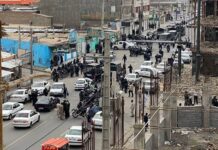
In addition to the healthcare sector, other regions and industries are also witnessing significant unrest. In Yasuj, nurses have joined the nationwide protest, staging rallies and chanting slogans demanding their rights. Retirees in Kermanshah, Isfahan, and Shush have taken to the streets, calling for higher pensions and better living conditions. Their protests have highlighted the broader dissatisfaction with the government’s handling of social security funds, which many accuse of being mismanaged due to corruption.
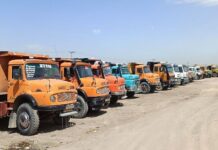
The labor force in Iran’s vital oil and gas industry is also feeling the strain. Workers from the Neginfam Company in Qaleh Tall, Khuzestan, and employees of the Aghajari Oil and Gas Company have gone on strike, protesting poor management and inadequate wages. These strikes underscore the deepening discontent within one of Iran’s most critical sectors, with implications that could affect the nation’s economy at large.
August 18—Shush, southwest Iran
Retirees of the Social Security Organization rally to reiterate their demands for higher pensions and other basic needs.#IranProtestspic.twitter.com/W4r66AESUc— People's Mojahedin Organization of Iran (PMOI/MEK) (@Mojahedineng) August 18, 2024
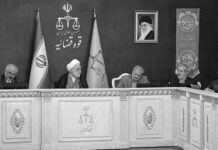
The government’s response has been a mix of crackdowns and promises. In Mashhad, the head of the Mashhad University of Medical Sciences ordered hospitals to limit admissions to emergency cases only, and a National Security Council meeting was convened to address the escalating situation. However, these measures have done little to quell the protests, as dissatisfaction continues to simmer.
The ongoing unrest is not just a response to immediate economic challenges but also a manifestation of long-standing issues such as systemic corruption, mismanagement, and the lack of adequate labor protections. The protests have also drawn attention to the alarming rate of emigration among Iran’s medical professionals, further exacerbating the crisis within the healthcare system.
Nurses of Akbar and Velayat hospitals on strike. Protesters chanting:
"Nurses will die but won't live in disgrace"
"We want the implementation of laws"#Iran #IranProtestspic.twitter.com/r86HeZ15fO— People's Mojahedin Organization of Iran (PMOI/MEK) (@Mojahedineng) August 18, 2024
As these movements gain momentum, the voices of Iran’s workers, retirees, and healthcare professionals are becoming increasingly unified in their demand for fundamental changes to address the systemic issues that have plagued the country for decades.

MEK Iran (follow us on Twitter and Facebook), Maryam Rajavi’s on her site, Twitter & Facebook, NCRI (Twitter & Facebook), and People’s Mojahedin Organization of Iran – MEK IRAN – YouTu