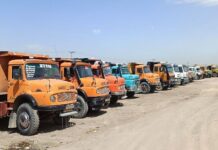
These farmers, whose livelihoods depend on adequate water for agriculture, have increasingly voiced their frustration over the mismanagement and scarcity of water resources in the region.
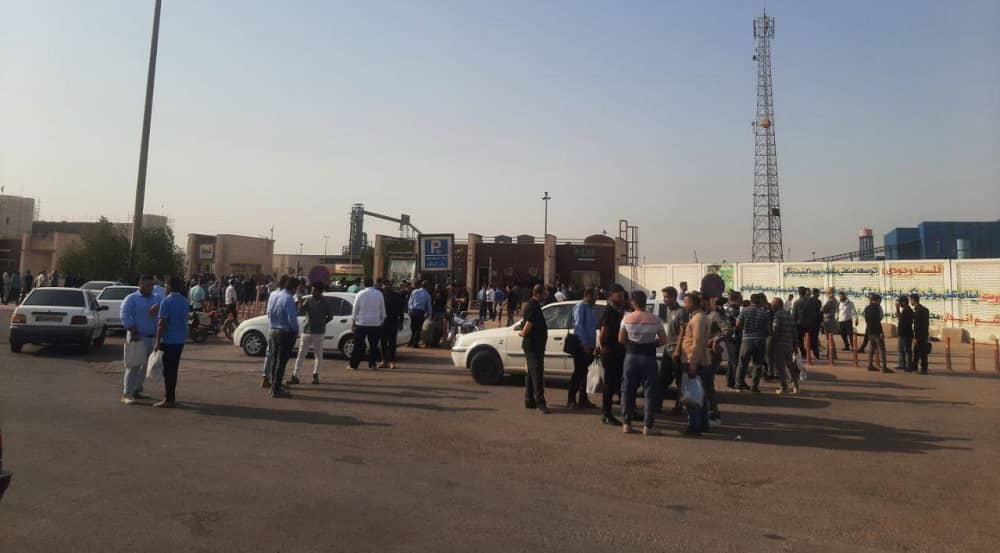
Simultaneously, protests and strikes are spreading across other parts of Iran. In Shadgan, residents demonstrated outside a steel factory for the second consecutive day, demanding better working conditions. Tractor owners in Bandar Abbas rallied in front of the local government office, while workers on a desalination project in Chabahar went on strike, highlighting the growing unrest over economic grievances and government inaction.
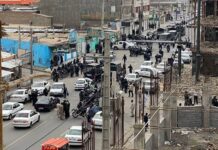
In a more alarming development, security forces launched a violent attack on the village of Ghaderabad in Khash, resulting in deadly clashes. According to local reports, the security forces entered the village without judicial warrants, searching homes and provoking a strong reaction from residents.
July 30—Isfahan, central #Iran
Farmers rally at the Khorasgan Square to protest water shortages and the government lack of response to their demands.#IranProtestspic.twitter.com/C5xY7anYav— People's Mojahedin Organization of Iran (PMOI/MEK) (@Mojahedineng) July 30, 2024
When the villagers protested, the forces opened fire, killing a 50-year-old woman and injuring several others, including a teenager. A local news outlet confirmed the fatal shooting and reported that security forces blocked emergency medical services from reaching the injured, forcing residents to transport them to hospitals using private vehicles.
The state-run Fars News Agency claimed that the operation was targeting a militant group, with four arrests made. However, local witnesses dispute this, stating that no arrests occurred before the violence began, questioning the official narrative.
Today also marks the 27th week of the “No to Execution Tuesdays Campaign,” where political prisoners across 17 prisons have launched a weekly hunger strike to protest the regime’s brutal wave of executions.
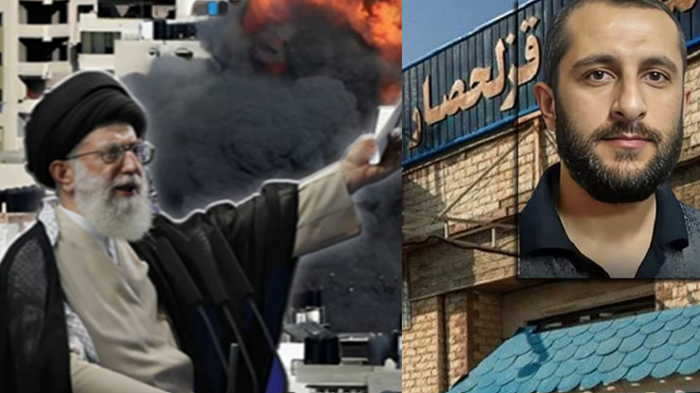
As the new regime president, Masoud Pezeshkian, took office today, the Iranian regime continues to ignore the demands of workers and protesters while escalating its crackdown on dissent and human rights abuses. The ongoing protests reflect the growing realization among Iranians that meaningful change may only come with regime change.

MEK Iran (follow us on Twitter and Facebook), Maryam Rajavi’s on her site, Twitter & Facebook, NCRI (Twitter & Facebook), and People’s Mojahedin Organization of Iran – MEK IRAN – YouTu