As Iran grapples with severe winter weather, the government has once again opted for widespread shutdowns rather than addressing its long-standing energy mismanagement. In response to freezing temperatures and heavy snowfall, authorities have ordered the closure of government offices, schools, and financial markets across 28 provinces, exposing the regime’s chronic inability to provide basic services.
The shutdown, set for Saturday, February 8, 2025, was announced following a so-called “crisis management” meeting. Officials claim the measure is necessary to “preserve energy stability,” yet it highlights the deeper systemic failures that have plagued Iran for decades. Affected provinces include Tehran, Alborz, Kerman, Semnan, Hamadan, and nearly the entire nation.
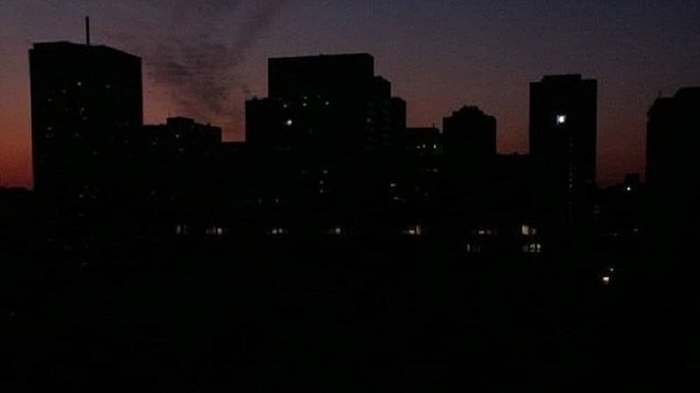
Iran: Reasons for Power Outages and Air Pollution #Iran #pollution #environnementhttps://t.co/FGZCY51MW5
— NCRI-FAC (@iran_policy) February 23, 2021
For the first time, the closure extends beyond public institutions, reaching financial markets, including the Tehran Stock Exchange and the Energy Exchange. This rare move suggests a desperate attempt to contain economic instability and public frustration. With Iran’s economy already struggling, this shutdown raises concerns over worsening financial conditions and further erodes confidence in the government’s handling of the crisis.
State-controlled media outlets have attempted to justify the move as a precautionary step. Mansour Shisheh-Foroush, head of the Crisis Management Headquarters in Isfahan Province, directed public institutions to turn off heating systems to conserve energy. Meanwhile, Farajollah Elyat, Acting Deputy for Coordination of Civil Affairs in Semnan Province, described the shutdown as an effort to “stabilize energy transmission lines and manage travel.” However, these statements barely mask the underlying reality—the government has failed to modernize the country’s energy infrastructure despite decades of warnings and recurring crises.
#Iran News: Widespread Power Outages and #Fuel Crisis Amplify Winter Woeshttps://t.co/Gwdx6T9Utn
— NCRI-FAC (@iran_policy) December 14, 2024
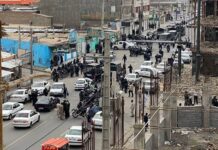
The crisis extends beyond cold temperatures. In Gilan Province, torrential rains have triggered devastating floods, particularly in Pirazar, where officials urged residents to evacuate. With 120 mm of rainfall recorded in just 24 hours, cities like Rasht have been left underwater. Videos circulating on social media depict entire neighborhoods submerged, further exposing the regime’s negligence in maintaining infrastructure and flood prevention systems. Instead of proactive disaster management, authorities have resorted to temporary shutdowns to mitigate public outcry.
Iran’s energy woes are not new. Over the years, rolling blackouts, fuel rationing, and gas shortages have become routine. Instead of investing in energy infrastructure, the government has prioritized funding its regional proxy groups, leaving its citizens to suffer the consequences.
The widespread shutdowns are merely a Band-Aid on a much deeper wound. Iran’s leadership can no longer dismiss the growing discontent. As citizens struggle to cope with the cold and economic instability, the government’s inability to address these recurring crises only fuels further disillusionment. With each passing year, the Iranian people are paying the price for decades of corruption, mismanagement, and misplaced priorities.

MEK Iran (follow us on Twitter and Facebook), Maryam Rajavi’s on her site, Twitter & Facebook, NCRI (Twitter & Facebook), and People’s Mojahedin Organization of Iran – MEK IRAN – YouTu