Known for his dedication and resilience, Pezeshkian’s political journey reflects the complexities and challenges of navigating Iran’s political environment.
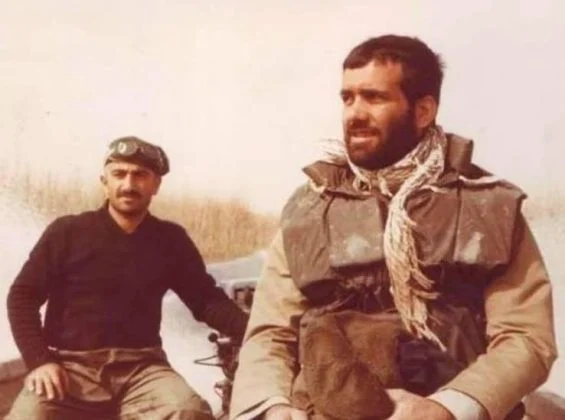
Pezeshkian’s early career was marked by his active involvement in the Iran-Iraq War (1980-1988). Serving both as a combatant and a physician, he was responsible for dispatching medical teams to the front lines. This period of service not only solidified his reputation as a dedicated public servant but also laid the groundwork for his future political roles.
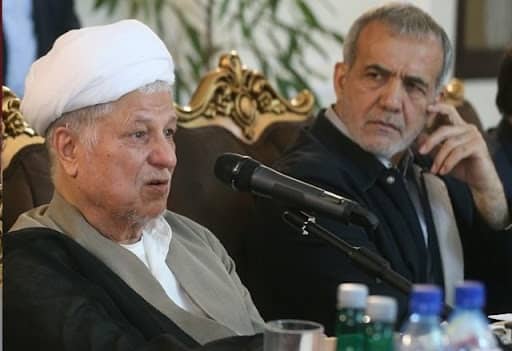
In 1999, Pezeshkian briefly served as the Deputy Minister of Health, Treatment, and Medical Education under President Mohammad Khatami. His most significant appointment came in 2001 when he was named the Minister of Health, Treatment, and Medical Education during Khatami’s second term.
This appointment was controversial, leading to the resignation of several ministry officials who questioned his suitability for the role. Despite facing parliamentary impeachment due to issues related to drug shortages, medical tariffs, and foreign trips, Pezeshkian survived the vote and continued to serve, gaining renewed parliamentary confidence.
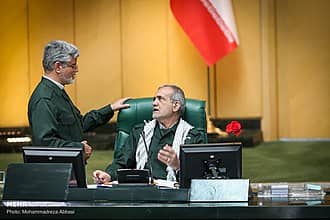
Pezeshkian’s parliamentary career is notable for its longevity and influence. From 2008 to 2024, he was elected as a representative for Tabriz, Azarshahr, and Osku in the Islamic Consultative Assembly.
During the 10th parliamentary term, he was elected as the first Deputy Speaker with 158 votes, representing the Prudence and Hope faction aligned with then-president Hassan Rouhani. His tenure in the parliament has been marked by his advocacy for various reforms and his involvement in key legislative processes.
Pezeshkian’s aspirations for the presidency have been fraught with challenges. In 2013, he registered as a candidate but withdrew in favor of Akbar Hashemi Rafsanjani. His 2021 presidential bid was cut short by disqualification from the Guardian Council, a decision he publicly criticized as detrimental to national interests.
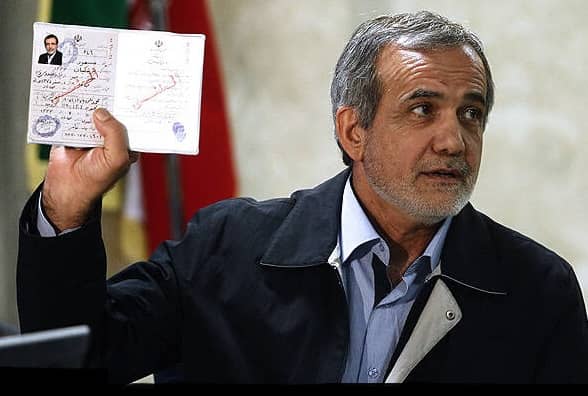
In 2024, he registered again and was confirmed as a candidate following a directive from the Supreme Leader, reflecting the volatile nature of Iran’s electoral politics.
Key Statements and Actions
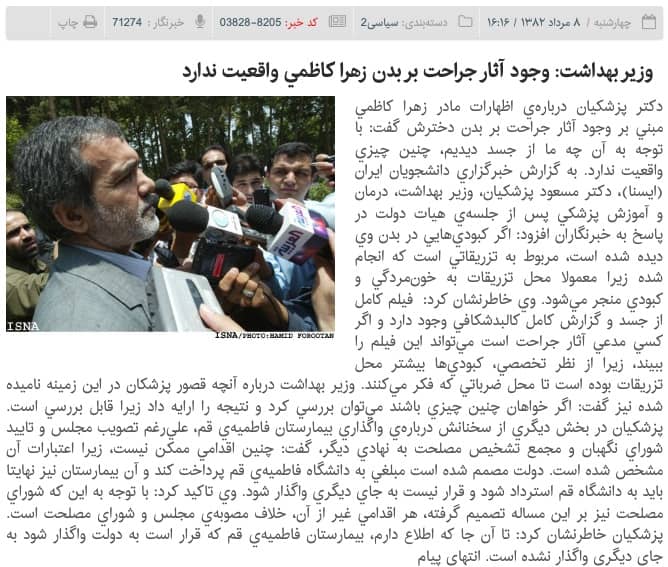
Throughout his career, Pezeshkian has made several significant statements and taken actions that have drawn public attention. In 2003, following the death of Iranian-Canadian photojournalist Zahra Kazemi in custody, Pezeshkian cited intracranial hemorrhaging as the cause of death and opposed foreign investigations, emphasizing Iran’s capability to handle the matter internally.
In 2018, he proposed the elimination of the presidency, suggesting a unified command structure to address economic challenges posed by the U.S., though he later clarified that his comments were misinterpreted. In 2020, he condemned the U.S. designation of the IRGC as a terrorist organization and praised its actions, underscoring his support for the IRGC’s role in national security.
Recent Developments
Pezeshkian’s recent presidential campaign reflects his alignment with Supreme Leader Ali Khamenei’s directives. Despite attempts by some media to portray him as a symbol of change, Pezeshkian himself has stated that his candidacy is intended to boost voter turnout and support the regime’s stability. His pragmatic approach and steadfast loyalty to the regime highlight the complexities of his political journey.
Masoud Pezeshkian remains a significant, albeit controversial, figure in Iranian politics, embodying the tensions and challenges of a nation navigating internal and external pressures.

MEK Iran (follow us on Twitter and Facebook), Maryam Rajavi’s on her site, Twitter & Facebook, NCRI (Twitter & Facebook), and People’s Mojahedin Organization of Iran – MEK IRAN – YouTu