Despite their unwavering dedication, they face a myriad of challenges, including insufficient pay, mandatory overtime, and a severe lack of support from the regime. The situation has reached a crisis point, with many nurses choosing to leave the country in search of better opportunities, exacerbating an already critical shortage of healthcare professionals.
The nursing profession in Iran is marked by its demanding nature, with many nurses working two consecutive shifts just to earn enough to survive, often still below the poverty line. The shortage of nurses, estimated to be at least 100,000, adds to the burden, forcing those who remain to shoulder even more responsibility.
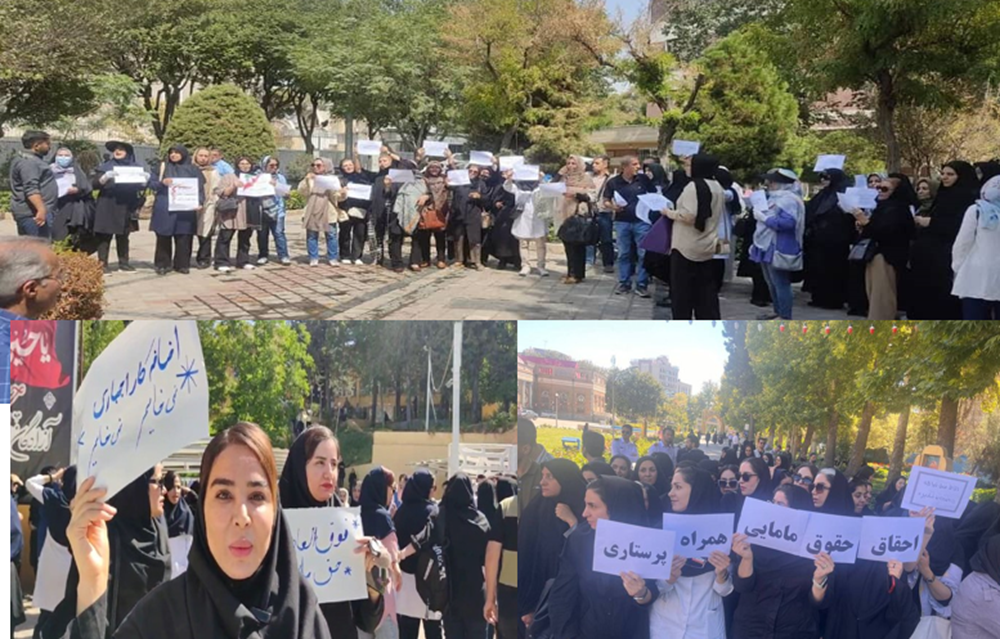
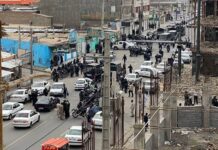
Protests have become a common response to these dire circumstances. Nurses, alongside other social groups such as workers, teachers, and retirees, have taken to the streets to voice their frustration with the regime’s policies. These protests are not only about wages but also about the systemic issues that plague the healthcare sector.
The improper implementation of the Nursing Services Tariff Law, which should ensure fair compensation, remains a significant point of contention. Additionally, the low overtime pay, which is not commensurate with the nurses’ experience or workload, has only fueled their dissatisfaction.
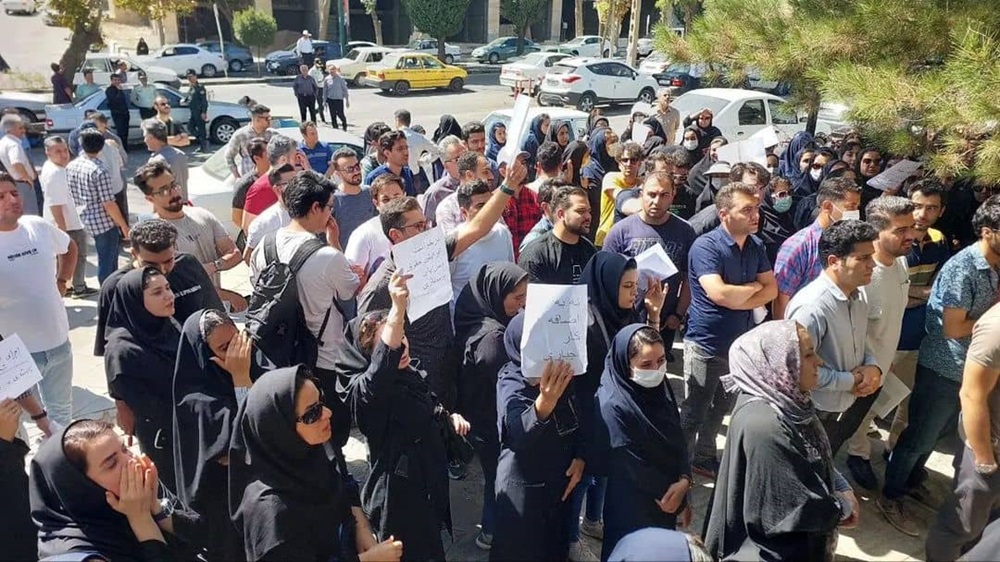
The strike highlighted the severity of the crisis, with hospitals in Shiraz and Karaj unable to function due to the absence of their nursing staff. In response, the regime resorted to desperate measures, including threatening nurses with dismissal and bringing in replacements from other cities, the military, and even nursing students.
The situation is further aggravated by the regime’s actions, which have been widely criticized for their lack of empathy towards the struggling population. While millions suffer, including those in essential professions like nursing, regime officials continue to enrich themselves, often in violation of national laws that limit salaries and benefits.
The plight of Iran’s nurses is a reflection of the broader social and economic issues facing the country. As protests continue to escalate, it is clear that the anger of the people, fueled by years of systemic neglect and exploitation, is reaching a boiling point. The question remains: how much longer can the regime ignore the cries of its people before the pressure becomes too great to bear?

MEK Iran (follow us on Twitter and Facebook), Maryam Rajavi’s on her site, Twitter & Facebook, NCRI (Twitter & Facebook), and People’s Mojahedin Organization of Iran – MEK IRAN – YouTu