Despite Pezeshkian’s efforts to deflect international criticism, his comments on potential “brotherhood” with the U.S. have been condemned by hardliners, who view his remarks as a betrayal of the Islamic Republic’s core values.
Leading the wave of criticism was Mohammad Mahdi Hosseini Hamedani, the Friday Prayer Leader of Karaj. During a sermon, Hamedani decried the president’s rhetoric, stating, “We cannot be brothers with America,” and reminding Iranians of the late Supreme Leader Ruhollah Khomeini’s warning that the U.S. is like “a wolf and sheep,” cautioning against any trust in American diplomacy. Hamedani accused Pezeshkian of straying from the principles of the Islamic Revolution.
Other hardline figures also joined the condemnation. MP Ali-Asghar Zarei indirectly criticized Pezeshkian while responding to comments made by U.S. State Department spokesperson Matthew Miller. Zarei retorted, “Shut up, killer!”—a pointed jab at Miller’s dismissal of Pezeshkian’s remarks. Miller had earlier rejected the president’s suggestion of a better relationship with the U.S., stating that real progress would require Iran to cease its support for terrorist groups, nuclear escalation, and human rights abuses.
#Iran’s Internal Power Struggle Escalates Following #Pezeshkian’s Press Stunthttps://t.co/2djDuWUYxw
— NCRI-FAC (@iran_policy) September 18, 2024
The criticism did not stop at foreign policy. Internally, Pezeshkian faces growing discontent over his handling of economic issues. Former head of Iran’s National Security and Foreign Policy Committee, Heshmatollah Falahatpisheh, highlighted the deepening economic crisis in Iran, blaming the president’s administration for mismanagement. “Thirty percent of the value of our national currency is lost to those profiting from sanctions,” Falahatpisheh remarked, adding that corrupt officials were further worsening the situation.
Iran’s state-run media has also reflected this dissatisfaction. A column in Shargh criticized the slow pace of decision-making under Pezeshkian’s leadership, questioning whether his administration truly embodies the change it promised. Another outlet, Ham-Mihan, highlighted the unusual situation of state-funded media conducting negative polls against the president and his cabinet.
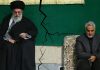
Amid this internal strife, Supreme Leader Ali Khamenei, in a speech on September 21, attempted to rally support by calling for unity among Muslim nations. However, his calls for solidarity seem more focused on consolidating Tehran’s regional influence rather than fostering peace, as he lamented the division within the Islamic world while struggling with growing internal discord.
Power Struggle Intensifies in #Iran as Rival Factions Slam #Pezeshkian’s Governmenthttps://t.co/j6FF8DT5LL
— NCRI-FAC (@iran_policy) September 12, 2024
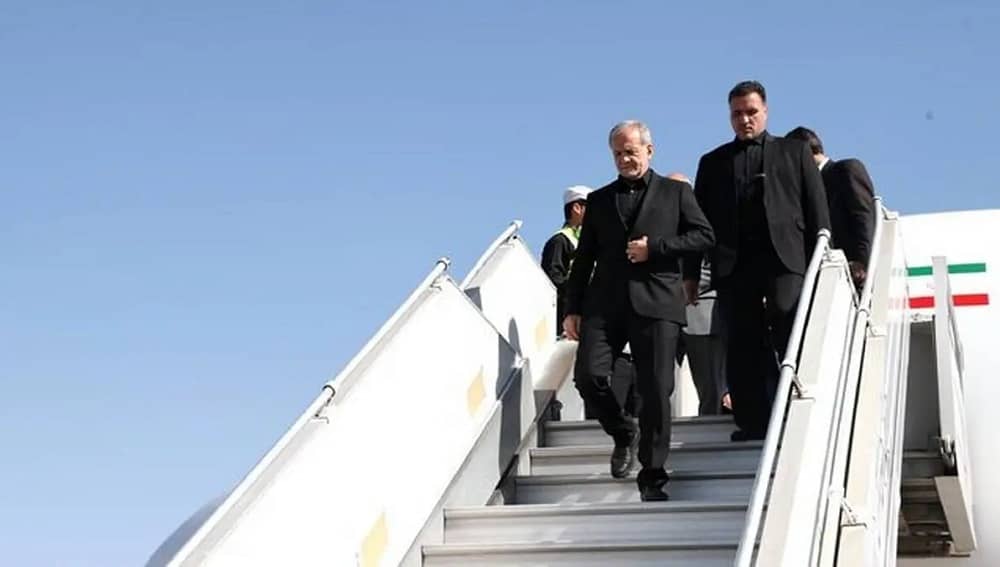
As Pezeshkian prepares for the international stage, he faces an increasingly fractured domestic front, where both his foreign policy and economic leadership are under intense scrutiny.