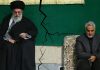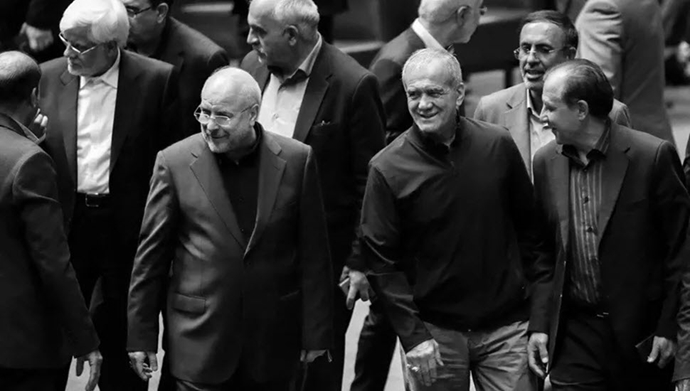
This confession has ignited a firestorm of controversy, laying bare the extent of Khamenei’s influence over the government and further undermining the legitimacy of Iran’s political institutions. The implications of Pezeshkian’s statement are profound, shaking the foundations of Iran’s fragile political landscape.
It has led to widespread criticism from across the political spectrum, with fervent supporters of Khamenei particularly outraged. This incident has also validated the long-standing claims of the Iranian Resistance, which has repeatedly condemned the mullahs’ regime as an absolute tyranny where the Supreme Leader manipulates key governmental functions.
On August 22, Kayhan newspaper, a publication closely aligned with Khamenei, responded with a scathing article by its managing editor, Hossein Shariatmadari. In the article, Shariatmadari condemned Pezeshkian’s “false claim,” arguing that it had been seized upon by the regime’s “sworn enemies” to discredit Iran’s democracy and undermine the credibility of both the Parliament and the presidency.
Shariatmadari’s article further highlighted the regime’s desperation to contain the damage. It cited a statement from Khamenei’s office, which attempted to justify the Supreme Leader’s involvement in the selection of ministers for key departments, such as Defense, Foreign Affairs, and Intelligence.
The statement argued that Khamenei’s oversight was necessary to ensure the country remained aligned with its ideological goals. However, this only served to confirm the degree of Khamenei’s control over multiple ministries, raising questions about the autonomy of Iran’s elected officials.
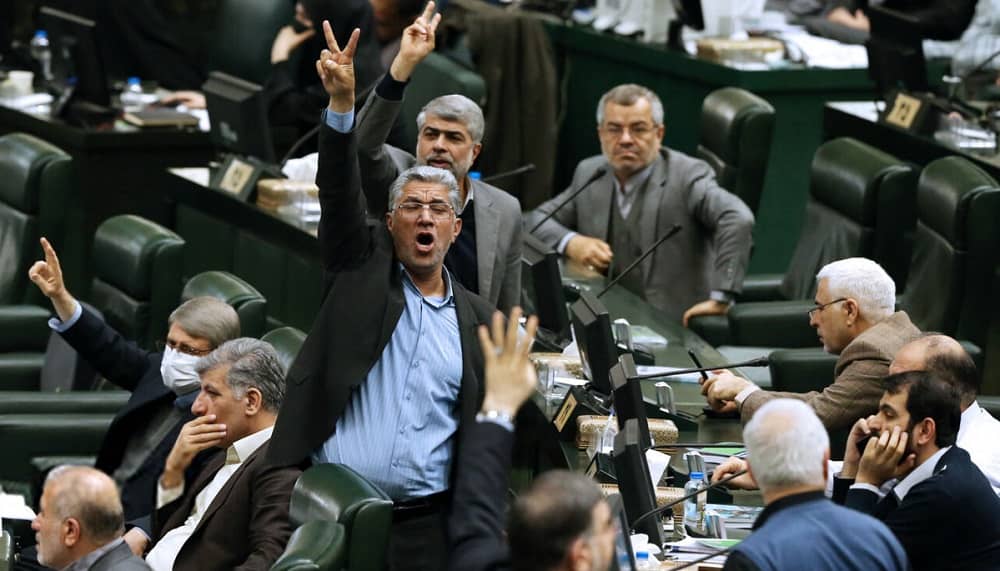
Several members of the Parliament have expressed their dismay publicly. MP Malek Shariati took to social media, criticizing the President’s use of Khamenei’s name to secure votes from the Parliament, calling it a “big mistake” that could backfire by putting Parliament at odds with the Supreme Leader’s decisions. Others have echoed similar concerns, lamenting the erosion of parliamentary independence.
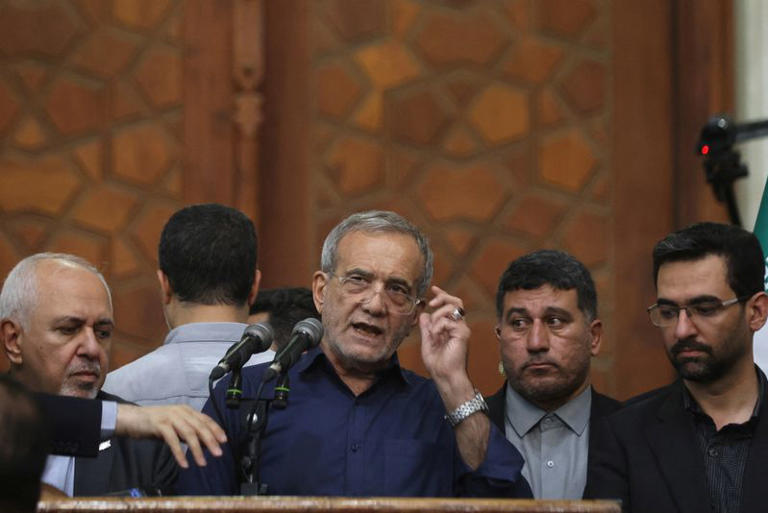
In an attempt to mitigate the crisis, Kayhan suggested that Pezeshkian retract his statements to prevent further exploitation by the regime’s opponents. However, the damage appears to be done. The revelation has not only embarrassed the regime but also exposed the hollow nature of its democratic processes, leaving even staunch supporters scrambling to defend a system that increasingly appears to be sinking under its weight.