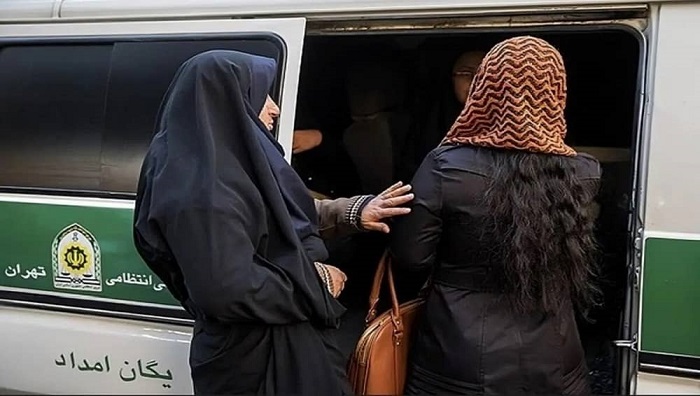
The move, which came after increasing internal dissent and fears of a repeat of the 2022 protests, reflects the regime’s growing concerns about public backlash and internal fragmentation.
On December 14, state media confirmed that the SNSC had directed the country’s Parliament to delay the law’s enforcement. This decision, aimed at preventing further social unrest, has sparked outrage among hardline factions, with some accusing the regime of failing to uphold its laws. Raja News, a media outlet aligned with conservative figures, criticized the delay, warning that it undermines public trust and governance. “This inability to enforce laws exposes the state’s management crisis,” the publication stated.
The law, which mandates the hijab for women, had already faced significant opposition within Iran. Ali Rabiee, an advisor to President Masoud Pezeshkian, acknowledged the law’s unfeasibility, noting that it was widely viewed as impractical across the political spectrum. Rabiee praised Pezeshkian’s decision to refer the matter to the SNSC, calling it a recognition of the potential social consequences. Some critics, including the Tabnak website, criticized the law’s swift approval, highlighting that its 85 articles imposed harsher punishments than for serious crimes like kidnapping and drug trafficking.
Fearing an uprising after the fall of #Syria’s bloodthirsty dictator—a blow that has shaken the regime to its core—the Iranian regime has resorted to a humiliating “show of flexibility” regarding its inhumane and anti-Islamic mandatory hijab law. However, a partial retreat is not…
— Maryam Rajavi (@Maryam_Rajavi) December 15, 2024
Despite the government’s push for delay, hardline lawmakers, including Mortaza Agha-Tehrani, insist that the law must be enforced. Agha-Tehrani, head of the Cultural Commission, warned that if President Pezeshkian refuses, Parliament Speaker Mohammad Bagher Ghalibaf will ensure its implementation.
This deepening divide within the regime highlights the tension between factions loyal to Supreme Leader Ali Khamenei, who fear the erosion of their authority, and those who recognize the risk of inflaming public anger. As President Pezeshkian warned, enforcing the law would only lead to greater dissatisfaction among Iranians, who have already expressed widespread resistance to government-imposed restrictions.
The law has also drawn condemnation from international bodies. United Nations experts have called it a grave violation of women’s rights, highlighting the extreme penalties, which could include lengthy prison sentences and even the death penalty in certain cases. The UN panel has described the law as an effort by the government to exert control over women’s bodies, undermining their fundamental freedoms.
New Mandatory Hijab Law Suspended Following Intervention by Supreme National Security Council
Following intense backlash against the new mandatory hijab law, the clerical regime, fearing widespread uprisings after the downfall of the Syrian dictator—an event that has shaken the… pic.twitter.com/xDhmmT6lEW
— Women's Committee NCRI (@womenncri) December 15, 2024
The postponement of the law’s implementation marks a rare retreat for the Iranian regime, which had previously insisted on its immediate enforcement. With internal divisions deepening and the country grappling with an economic crisis, analysts warn that the government faces a difficult choice: enforce the law and risk a new wave of protests, or abandon it and further erode its authority. Either option, they argue, carries significant risks for a regime already struggling to maintain control.

MEK Iran (follow us on Twitter and Facebook), Maryam Rajavi’s on her site, Twitter & Facebook, NCRI (Twitter & Facebook), and People’s Mojahedin Organization of Iran – MEK IRAN – YouTu