Khamenei ordered immediate preparations for a presidential election to prevent unrest among the regime’s forces and to manage potential instability.
To project an image of strength and conceal deep-seated public resentment, the ruling establishment is focusing on manipulating voter statistics. Recent statements from state media and officials consistently highlight an anticipated high voter turnout in the upcoming election. On June 13, Abdollah Moradi, Director-General of Political Affairs at the Ministry of Interior, told the state-run Mehr News Agency that public enthusiasm for the election is expected to surpass that of the previous term.
This sentiment was echoed by Khamenei’s representatives during Friday prayer sermons across various cities. Gholamreza Moghisheh, Friday prayer leader in Sabzevar, emphasized the importance of maximum public participation, promising significant benefits for the people and the country.
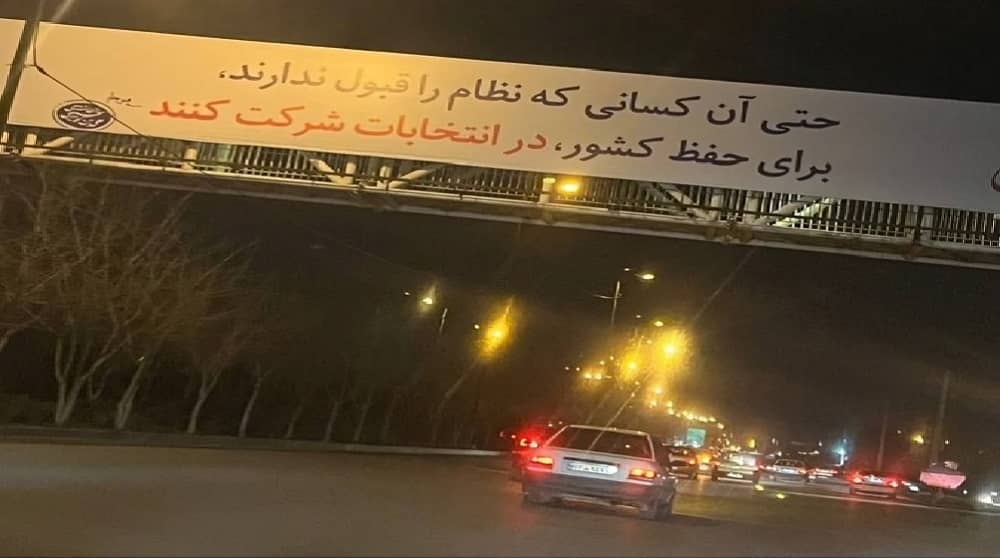
Officials are rallying behind this narrative to avoid a widespread boycott that could expose internal weaknesses and societal discontent. Morteza Fatemian, during Friday prayers in Khakal, stated that high participation “would enhance political stability and increase the state’s legitimacy nationally and internationally.” Safar Ghorbanpour, interim Friday prayer leader in Rasht, added that maximum voter turnout would “boost deterrence against enemies, mitigating threats and lifting sanctions.”
Despite these efforts, skepticism remains. Abbas Abdi, a former regime critic, expressed doubt that turnout would be less than 55%. On June 15, Massoud Pezeshkian, perceived by some as a representative of a different political approach, declared his intention to generate enthusiasm for participation, stating, “If people don’t show up, our country will be at risk.”
The regime has mobilized various factions to support this initiative. According to Nour News, affiliated with the regime’s National Supreme Security Council, Pezeshkian met with former president Mohammad Khatami on June 13. Khatami, who had previously refused to vote in the March 1 parliamentary elections, announced his support for Pezeshkian.
The Etemad Melli Party, founded by Mehdi Karroubi, who is under house arrest, issued a statement urging people to vote despite previous governmental inefficiencies. Similarly, the “Association of Alumni of the University of Technology” described the election as an important opportunity for change, urging participation despite widespread dissatisfaction.
Yadollah Javani, the political deputy of the IRGC, underscored the significance of the upcoming presidential election, describing it as “several times more significant” than previous elections due to the current domestic, regional, and international conditions of the clerical regime. He warned that the election’s outcome could either become a source of power or a significant challenge for the Islamic Republic.
As Iran prepares for this crucial election, the ruling establishment’s emphasis on high voter turnout aims to bolster its legitimacy and control, despite underlying tensions and public discontent.

MEK Iran (follow us on Twitter and Facebook), Maryam Rajavi’s on her site, Twitter & Facebook, NCRI (Twitter & Facebook), and People’s Mojahedin Organization of Iran – MEK IRAN – YouTu