On October 7, the National Council of Resistance of Iran (NCRI) released a statement reporting the execution of 27 prisoners over a two-day period, November 5 and 6. This wave of executions has raised the tally under the presidency of Masoud Pezeshkian to 438, marking a troubling surge in state-sanctioned killings aimed at silencing dissent.
The increase in executions, which Pezeshkian publicly defended, has drawn widespread international condemnation. In response, Pezeshkian commented, “The person executed killed ten people, planted bombs for a hundred, and now they say we violated human rights because we executed him.
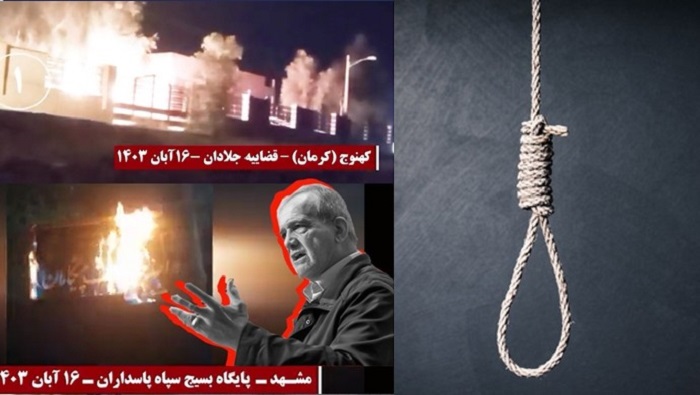
You cowards… are you human?” He went on to cite a verse suggesting that suffering and struggle are necessary for resilience, intensifying the rhetoric surrounding these actions. Following his statements, rebellious youth across Iran launched a series of attacks on government institutions and symbols associated with repression.
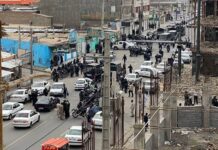
Additional IRGC Basij bases in Mashhad and Zahedan were set on fire, alongside propaganda banners and posters of regime leaders in various cities. These incidents echo previous acts of resistance on November 3, when Iranian youth targeted sites linked to government repression in cities like Yazd, Kerman, and Izeh. These acts of defiance, which have spread across the country, highlight the persistent and growing unrest.
Meanwhile, Iranian political prisoners entered their forty-first week of a hunger strike on November 5 as part of the “No to Executions Tuesdays” campaign, condemning the systemic increase in executions. In a collective statement, they called for heightened activism against the regime’s escalating death toll, urging individuals worldwide to amplify their opposition to the death penalty in Iran. They emphasized the need for accountability and expressed alarm over what they describe as an “accelerating killing machine.”
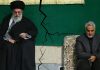
Maryam Rajavi, president-elect of the NCRI, also voiced strong opposition to the executions, calling them a “desperate attempt” by Supreme Leader Ali Khamenei to suppress public anger. Rajavi urged the international community to hold the regime accountable for its actions, citing four decades of alleged crimes against humanity. The NCRI, along with other international bodies, continues to advocate for justice, pushing for global solidarity against these acts of violence and repression.