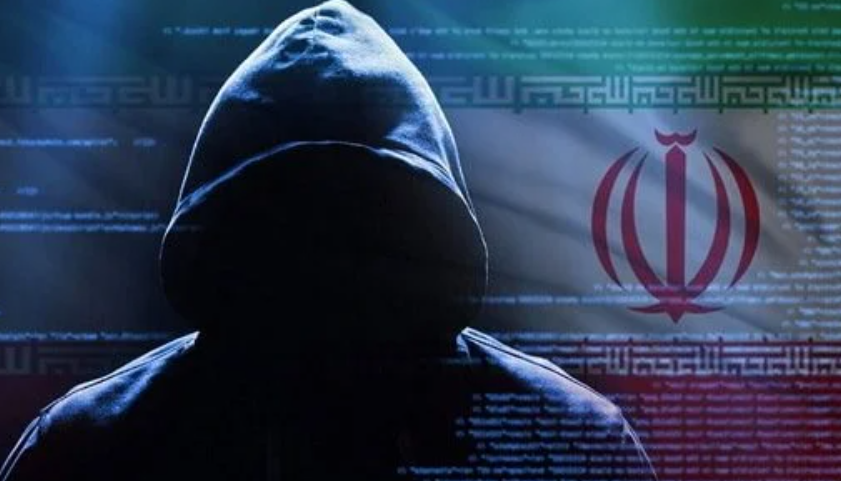
At the center of this effort lies Parsian Afzar Rayan Borna, a Tehran-based company ostensibly offering IT services but, in reality, deeply enmeshed in the nation’s cyber warfare apparatus. Tied to Iran’s Ministry of Intelligence and supported by the Ministry of Foreign Affairs, Parsian Afzar exemplifies the regime’s dual strategy of domestic surveillance and international cyber aggression.
Operating from Tehran’s Amir Kabir Boulevard, Parsian Afzar portrays itself as a benign computer services company. However, its actions tell a different story. Among its most notable activities was the 2022 cyberattack on Albania, which debilitated critical infrastructure and triggered a diplomatic crisis. This event resulted in Albania severing ties with Iran and closing its embassy in Tirana.
The company also maintains an extensive network of fake social media accounts. These profiles propagate disinformation, discredit opposition groups like the MEK and NCRI, and amplify state propaganda. By controlling digital narratives, Parsian Afzar manipulates public opinion both at home and abroad.
Iran’s Cyber Army: A Force of Disinformation for a Cursed Causehttps://t.co/S3LusEN4HB
— NCRI-FAC (@iran_policy) April 26, 2023
Parsian Afzar’s operations extend beyond cyberattacks. It surveils activists, identifies dissidents, and facilitates their persecution. Training for such activities is provided through Ravin Academy, an institution linked to the Ministry of Intelligence. This comprehensive approach underscores the regime’s commitment to suppressing opposition voices.
Iran’s Ministry of Foreign Affairs plays a crucial role in amplifying Parsian Afzar’s impact. Diplomatic platforms are used to counter international criticism and promote Tehran’s narratives. Organizations like the Foundation for Dialogue and Friendship of Nations serve as fronts for propaganda campaigns, fostering an illusion of peace while masking cyber and human rights violations.
Ruhollah Mo'men Nasab, parliamentary special advisor on the so-called "internet users projection bill" and former commander of the cyber army reveals how #Tehran has been using @Twitter for #propaganda.
#Iran #InternetFreedom pic.twitter.com/kHzjtlEFvR— NCRI-FAC (@iran_policy) March 29, 2022
Leaks have unveiled the identities of Parsian Afzar’s key operatives, including programmers and intelligence agents. These individuals, such as Ali Talebi and Mohammad Rahimzadeh, are under strict monitoring, reflecting the high-stakes nature of their work.
Parsian Afzar’s activities are part of a larger strategy endorsed by Supreme Leader Ali Khamenei, framing cyber operations as an “Explanation Jihad.” Beyond domestic repression, the company has targeted infrastructure across Europe, the U.S., and the Middle East, raising global alarm.
#Iran News in Brief:
Basij chief calls for reinforcing the regime’s #cyber armyhttps://t.co/0KTt0uEdsW pic.twitter.com/aFeB9Xxwpm
— NCRI-FAC (@iran_policy) May 11, 2022
The revelations surrounding Parsian Afzar Rayan Borna highlight the Iranian regime’s calculated use of cyber tools to stifle dissent and assert international influence. Addressing these threats is imperative to protect digital freedoms and uphold global security.

MEK Iran (follow us on Twitter and Facebook), Maryam Rajavi’s on her site, Twitter & Facebook, NCRI (Twitter & Facebook), and People’s Mojahedin Organization of Iran – MEK IRAN – YouTu