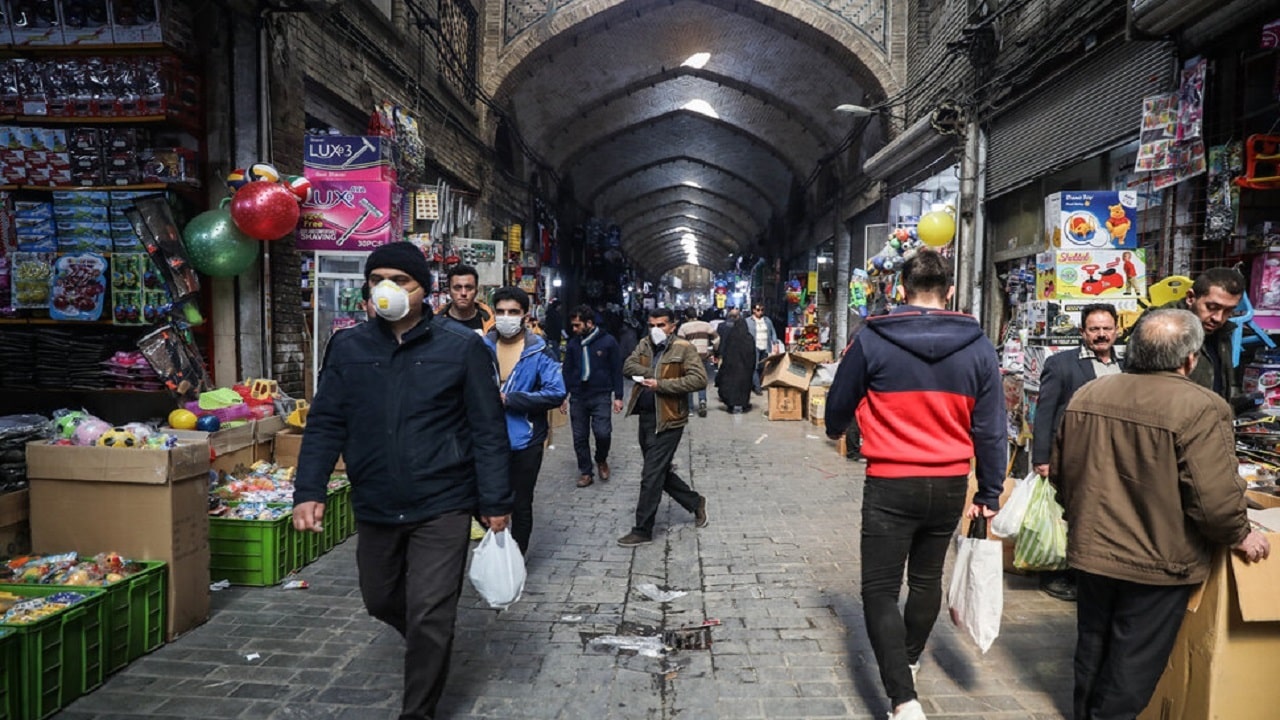
Experts warn of far-reaching economic consequences, while public anger grows against government policies that appear to prioritize controversial agendas over the well-being of its citizens.
On October 19, Mohammad Hossein Moulakhah, Director General of Iran’s Consumer Protection Agency, confirmed that dairy products have seen price increases ranging from 15% to 30%, depending on the item. State efforts to regulate prices, such as through export controls and pricing adjustments on items like butter and cream, have done little to curb the trend.
Basic staples like bread are also seeing steep price hikes. Despite official adjustments to bread prices, many households find it difficult to afford this essential item. A report by Mizan Online noted that the official price for simple Sangak bread was raised to 5,000 tomans in September, but many vendors are selling it for double that price, further aggravating the financial burden on the public.
#Iran News in Brief
Latest report from Iran's Statistical Center reveals staggering food price hikes over the past year. Red meat and chicken soar by 93%, while fish and seafood spike by 64%. The #economic strain is evident as buying basics feels like borrowing for luxury. Read… pic.twitter.com/w8wqWBl1w5— NCRI-FAC (@iran_policy) February 29, 2024
Economic instability is not limited to consumer goods; fuel and foreign exchange markets are also under pressure. Economic expert Farshad Momeni recently disclosed that key government officials have held over 30 meetings to discuss potential fuel and currency price hikes, fueling speculation of further inflation.
The government’s debt levels are also skyrocketing. As of July, the debt owed to Iran’s banking sector has reached a staggering 1,600 trillion tomans, a sharp increase from the 644 trillion tomans at the beginning of President Ebrahim Raisi’s administration in 2021. This ballooning debt is reflective of broader economic mismanagement, with the state’s focus on foreign military ventures and nuclear development drawing heavy criticism.
Even the gold market, a traditional refuge during times of financial instability, has not been spared. On October 20, the price of a new design gold coin surpassed 56 million tomans, a historic high, further illustrating the country’s economic turmoil.
#Iran News in Brief
While officials of the Raisi government continue to deny price hikes of basic items, today, Iranian state media reported a sudden 40% increase in #bread prices in at least 15 different provinces. https://t.co/AzM4YZWljj pic.twitter.com/fclWZeQJvo— NCRI-FAC (@iran_policy) November 7, 2023
As prices continue to rise and government debt grows, Iran’s population is increasingly frustrated with an administration that appears out of touch with the daily struggles of its people. Public dissatisfaction is mounting, with experts predicting that without meaningful reform, social unrest may be on the horizon.

MEK Iran (follow us on Twitter and Facebook), Maryam Rajavi’s on her site, Twitter & Facebook, NCRI (Twitter & Facebook), and People’s Mojahedin Organization of Iran – MEK IRAN – YouTu