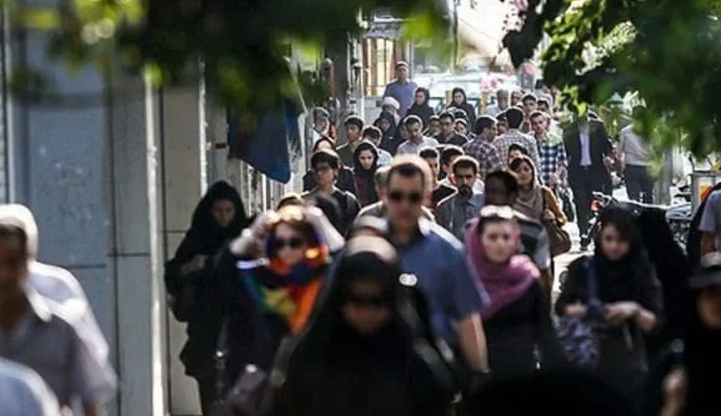
Recent government data reveal a striking 68% increase in the poverty line in 2023, reflecting a deteriorating financial climate that is making it increasingly difficult for families to meet basic needs.
As of November 3, Iran’s currency devalued sharply, with the U.S. dollar surpassing the 70,000 toman mark. This slide has eroded the purchasing power of ordinary citizens and driven prices for essential goods to unprecedented levels. While average family living expenses have escalated to around 36 million tomans per month, the average income remains only a third of that amount, underscoring the gap that has forced many into financial despair.
Looking ahead, the government’s projected budget cuts on gasoline imports indicate an imminent rise in fuel prices, a prospect that has fueled public uncertainty and concern. According to Mehrdad Lahouti, Vice President of the Budget and Planning Commission, only 65 trillion tomans have been budgeted for gasoline in 2025, down from 90 trillion tomans this year, hinting at a likely increase in gasoline costs.
https://twitter.com/iran_policy/status/1848052812476830089
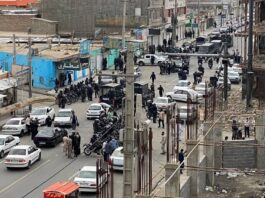
Lahouti acknowledged that the decision-making on such issues largely lies beyond parliamentary control, adding to the public’s apprehension about impending hikes and economic instability.For many, memories of the 2019 fuel protests remain fresh, when sudden gasoline price hikes triggered protests across nearly 200 cities. The government responded with a severe crackdown, reportedly shutting down internet access nationwide and, according to some estimates, resulting in over 1,500 fatalities.
This history underscores the volatility associated with sudden economic shifts and raises concerns about potential unrest if fuel prices rise once more.Economists within Iran are skeptical about the government’s ability to implement meaningful economic reforms under current circumstances.
Mohsen Rannani, a prominent economist, argued that the economy “has reached a point where no economic solution is effective anymore.” Comparing the state of the economy to an industrial town weighed down by political instability, he emphasized the critical role of public trust, asserting, “If the people do not trust the government, they will not follow any prescribed solutions.”
https://twitter.com/iran_policy/status/1736460240663540174
Rising inflation has forced significant changes in consumer behavior. Food quality has declined as many families cut back on essential nutrients; meat consumption per capita has dropped to an estimated 6 kilograms annually, far below global averages, while dairy intake has plummeted to less than half the recommended amount.
Without comprehensive reforms, Iran’s middle class faces a bleak future marked by diminishing economic prospects, rising poverty, and severe social repercussions. As inflation climbs and subsidies for essential goods are cut, analysts warn that social discontent could escalate, leading to uprisings that the government may struggle to control.

MEK Iran (follow us on Twitter and Facebook), Maryam Rajavi’s on her site, Twitter & Facebook, NCRI (Twitter & Facebook), and People’s Mojahedin Organization of Iran – MEK IRAN – YouTu