Facing a widening budget deficit, officials are reportedly considering price hikes on gasoline—a move fraught with risks given the unrest that followed similar actions in 2019. The government’s stance on this matter remains ambiguous, as conflicting messages from officials heighten public anxiety.
In a recent address, economist Hossein Raghfar attributed the country’s fiscal strain to substantial spending on regional engagements, notably in Lebanon and Palestine. Raghfar emphasized that the government’s foreign currency expenses have ballooned due to these interventions, causing a ripple effect on domestic prices. “The budget has surged abnormally, and the government lacks sufficient resources,” he stated, underscoring that increased foreign expenditures drive up domestic fuel and currency costs.
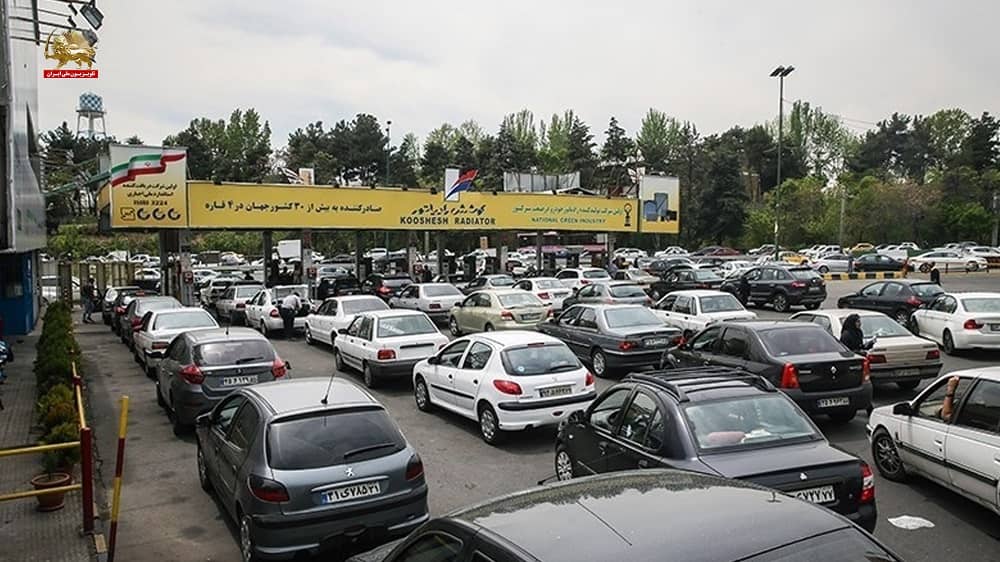
The fuel subsidy program has become a focal point of the regime’s budgetary struggle. Masoud Pezeshkian, a senior official involved in the budget planning, highlighted an alarming rise in gasoline consumption—up nearly 40% since 2019. While the population and national income remain stagnant, this spike has further strained the economy.
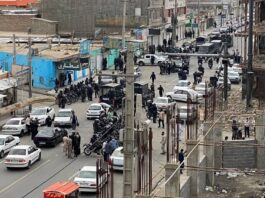
Behbahan, southwest #Iran
Locals respond to security forces attacking their gathering & protests over the recent gasoline price hike by setting the local Bank Melli branch ablaze.#IranProtestspic.twitter.com/sB5c0ED7i6— People's Mojahedin Organization of Iran (PMOI/MEK) (@Mojahedineng) November 16, 2019
Pezeshkian pointed out that producing gasoline costs around 8,000 tomans per liter domestically, while imports are three to four times higher. As such, he called for a comprehensive subsidy reform to manage this economic imbalance.
Attempting to assuage public concerns, Fatemeh Mohajerani, the government’s spokesperson, assured citizens that any fuel price adjustments would be announced in advance. However, critics argue that such warnings do little to soften the financial blow. A recent editorial in the prominent Shargh newspaper questioned the effectiveness of advance notice, stressing that the core issue remains the unaffordability of essential goods.
Adding to public confusion, officials have issued contradictory statements about future fuel prices. Pezeshkian and other voices within the regime acknowledge the need for fiscal adjustments. Yet, Ali Asghar Nakhai, a parliamentary member, suggested that fuel prices would remain stable until year’s end, adding another layer of ambiguity.
Amid these concerns, inflation has surged, with staples like grains and sugar rising by as much as 40% since early this year. This inflationary squeeze, compounded by subsidy cuts, has intensified fears that further price hikes on essentials, including fuel, are inevitable.
On the Anniversary of the November Uprising#Iran Youth for Regime Change with Resistance Units
Time to Prosecute Regime Leaders for Crimes Against Humanity
Online conference
November 10, 2020
16:00 CET#WeStand4FreeIranhttps://t.co/BnIoXv41og— NCRI-FAC (@iran_policy) November 1, 2020
As Iranians grapple with this financial strain, public skepticism toward official reassurances continues to grow. The ongoing debate over fuel prices not only reflects Iran’s complex economic challenges but also highlights a government increasingly wary of sparking social unrest. In the face of rising public frustration, the regime’s struggle to stabilize its finances while containing potential volatility signals a tense period ahead.