Recent developments reveal an alarming escalation in state-sponsored violence, with a marked increase in executions and mounting pressure on political prisoners, raising grave concerns among international human rights organizations.
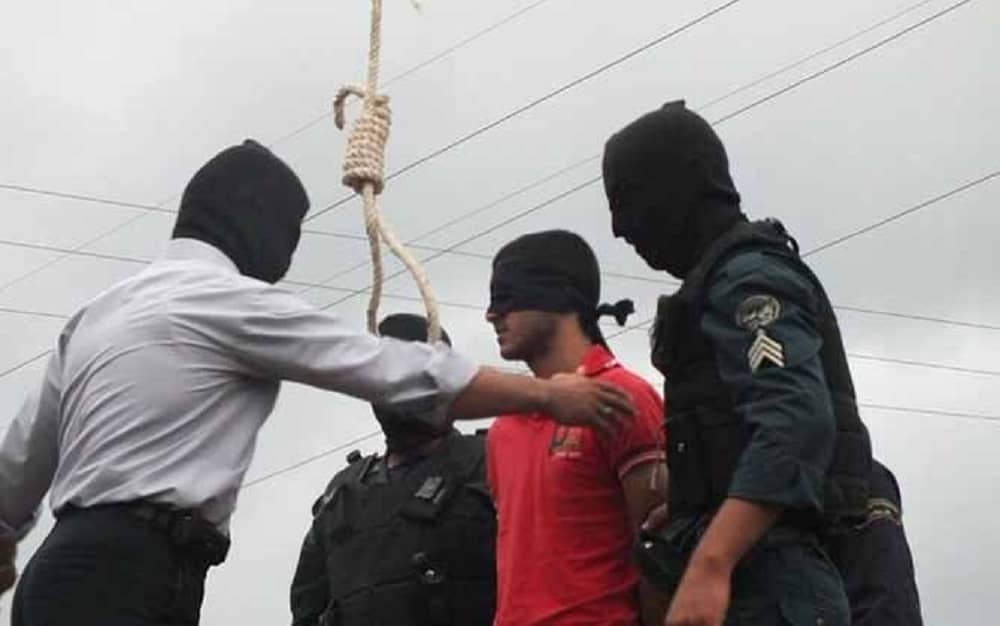
On August 6, the regime executed Reza Rasaei, a political prisoner arrested during the 2022 protests. Rasaei’s death marks the ninth execution related to the protests, a series of demonstrations that erupted in response to widespread dissatisfaction with the regime. Reports indicate that Rasaei was tortured into confessing to the killing of a regime security agent, a tactic that human rights groups have long criticized as a method to silence dissent.
Rasaei’s execution highlights the regime’s ongoing crackdown on political dissidents, with many others facing similar fates as death sentences continue to be handed down. The surge in executions is not limited to political prisoners. In the first week of August alone, at least 20 prisoners were hanged at Ghezel Hesar prison in Karaj. The wave of executions continued across the country, with dozens of prisoners executed in various cities, including Tehran, Bushehr, Tabriz, Khorramabad, Mashhad, and Yasuj.
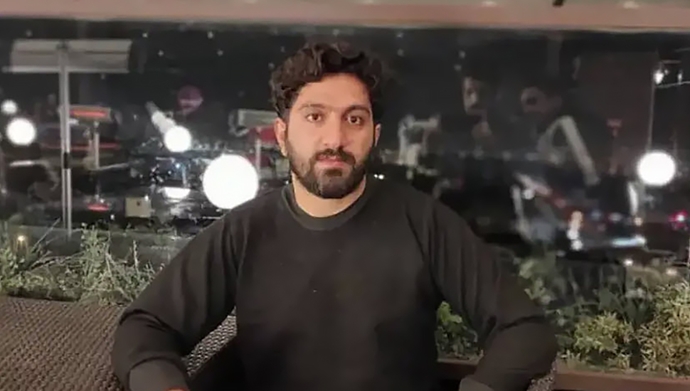
These actions demonstrate a chilling disregard for human life, as the regime seeks to suppress any form of opposition or unrest. Simultaneously, the regime’s treatment of political prisoners has worsened, with reports of severe mistreatment and denial of basic rights. In Sheiban Prison of Ahvaz, political prisoner Mehran Gharebaghi, suffering from heart disease and an intestinal infection, is being denied critical medical care.
Authorities have also blocked his family’s attempts to provide outside medical assistance, reflecting a broader strategy to break the spirit of political detainees through neglect and abuse.
Other political prisoners, such as Fatemeh Ziaei Azad, who suffers from Multiple Sclerosis (MS), and 70-year-old Mir Youssef Younesi, are similarly being denied essential medical treatment. Their suffering, coupled with the regime’s refusal to allow adequate medical care, underscores the inhumane conditions faced by those imprisoned for their political beliefs.
The regime’s brutality extends to those like Manouchehr Fallah and Hafez Forouhi, who have been on a hunger strike since July 22, 2024, protesting their uncertain legal status and ongoing detention without trial. Despite their deteriorating health, they have vowed to continue their strike until justice is served, highlighting the desperation and despair among Iran’s political prisoners.
These developments paint a grim picture of Iran’s human rights landscape under Pezeshkian’s presidency. The increase in executions and the continued abuse of political prisoners indicate that human rights violations remain a cornerstone of the regime’s strategy to maintain power. Without significant international pressure, the cycle of violence and repression is likely to persist, further entrenching the regime’s authoritarian grip on the country.

MEK Iran (follow us on Twitter and Facebook), Maryam Rajavi’s on her site, Twitter & Facebook, NCRI (Twitter & Facebook), and People’s Mojahedin Organization of Iran – MEK IRAN – YouTu