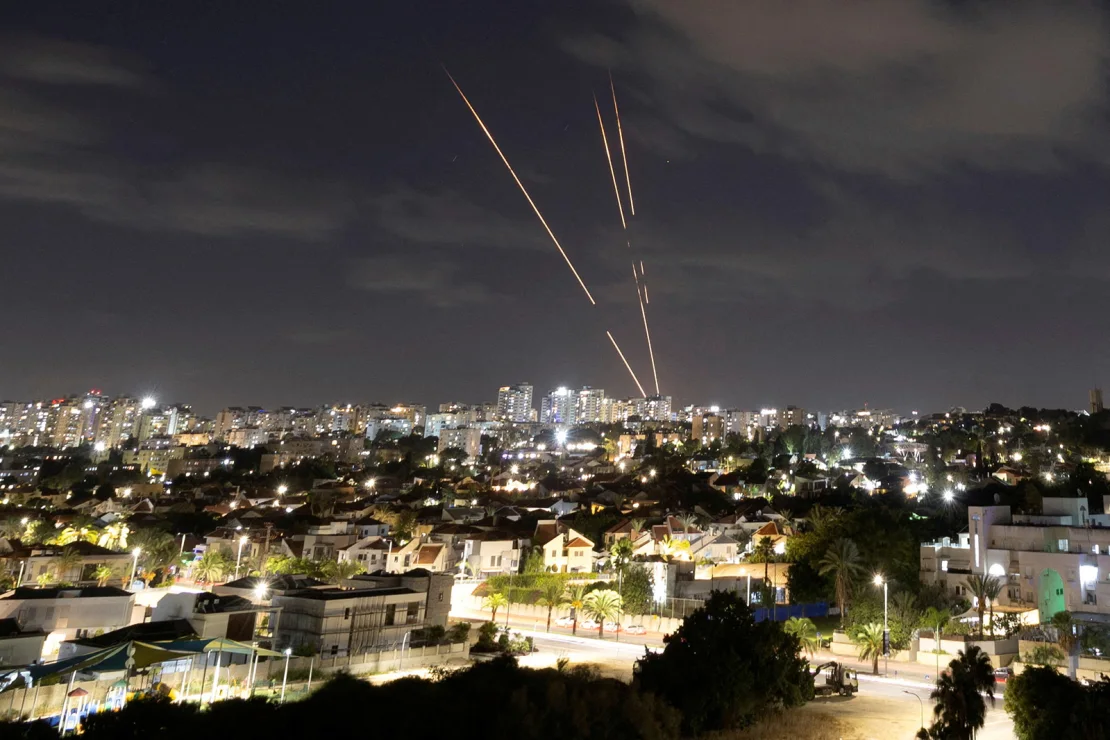
This intervention has played a key role in prolonging and intensifying the violence, with former high-ranking Iranian official Ezzatollah Zarghami openly admitting his participation in training Palestinian resistance fighters.
The conflict has come at a steep price, not only for Israel and Gaza but also for the wider region. Iran’s Supreme Leader, Ayatollah Khamenei, initially instigated the war to divert attention from domestic unrest. However, the human and economic toll has been staggering, with Gaza bearing the brunt of the destruction.
As of September 2024, the United Nations estimated that 90% of Gaza’s two million residents had been displaced, and 41,467 people had been killed, with more than 95,000 wounded. The physical devastation is equally grim, with over 58% of Gaza’s infrastructure destroyed, and debris clearance efforts projected to take 15 years at a cost of over $500 million.
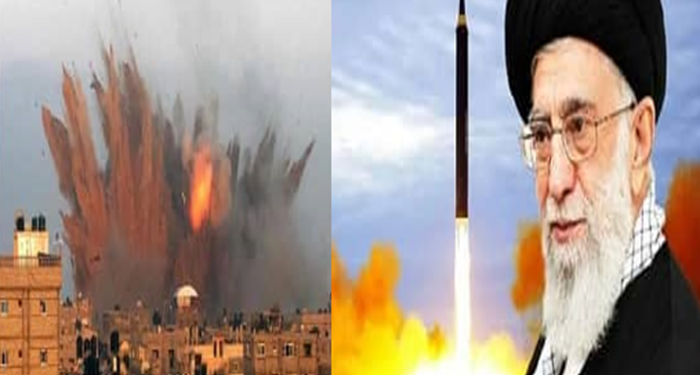
The conflict has also spread to Lebanon, where one million people have been displaced and more than 2,000 killed. The situation for Syrian refugees in Lebanon has grown even more precarious, as they find themselves caught between the violence in Lebanon and the repressive Assad regime in Syria.
Iran faces rising internal dissent, with large-scale protests, strikes, and demonstrations becoming a daily occurrence. Politically, Khamenei has struggled to consolidate power following the death of President Ebrahim Raisi, and his influence abroad is waning as his proxy forces across the Middle East face mounting pressure.
Watch a 7 min recap of:
Crisis and War in the #MiddleEast: The Roots and Solutions
Understanding the #Iranian regime’s Goals in the Crisis pic.twitter.com/oikos96Kxu— NCRI-FAC (@iran_policy) January 2, 2024
In summary, while Iran’s involvement in Gaza initially appeared to serve its geopolitical interests, the long-term consequences have been disastrous both at home and abroad. As the conflict drags on, the Iranian regime’s strategy of regional destabilization has left it more isolated and fragile than ever before.

MEK Iran (follow us on Twitter and Facebook), Maryam Rajavi’s on her site, Twitter & Facebook, NCRI (Twitter & Facebook), and People’s Mojahedin Organization of Iran – MEK IRAN – YouTu