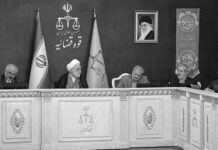
While factional feuds dominate headlines, Iranian officials emphasize the danger posed by the Mujahedin-e Khalq (MEK), a prominent resistance group. On July 22, during a meeting with the Supreme Judicial Council, Chief Justice Gholamhossein Mohseni Ejei highlighted the need to expose the actions of the MEK during the 1980s Iran-Iraq War and beyond. He stated, “The media and those with a platform have a critical responsibility.
Even during the trial of several members of this group, it is possible to address the extent of their crimes and the actions of their supporters. The world must know that in the 1980s and even after, all kinds of support, including military, logistical, and training, were provided to the MEK, and now they continue to shelter them.”
Ahmad Salek, a former intelligence officer and parliament member, described the recent presidential election as a strategic move by Supreme Leader Ali Khamenei to ensure high voter turnout, which is essential for maintaining the regime’s power and internal cohesion. Salek stated, “The leader’s emphasis on maximum participation is because it can lead to strength and internal unity. The enemies, including the MEK, aimed to reduce election turnout.”
#Iran News in Brief
The Friday Prayer Leader of the regime in Kerman, issued a warning regarding the influence of the #MEK in Iran's society.
Mehdi Arabpour: “You can see that they are still active. In a recent announcement from one of the security organizations, it was stated… pic.twitter.com/Htoipe43iX— NCRI-FAC (@iran_policy) August 13, 2023
The state-run news outlet Mardomsalari highlighted the effectiveness of the Iranian Resistance in raising awareness about the regime’s atrocities and its increasing international isolation. The newspaper reported, “In the UK, both the House of Commons and the House of Lords are heavily influenced by the propaganda of the MEK and factions associated with the Zionist regime. Bob Blackman, who was sanctioned by Iran last year, is one of the MPs who held several sessions in Parliament to discuss the human rights situation in Iran.
By presenting fabricated statistics from the MEK about the 2022 unrest, he facilitated the issuance of several statements against Iran.” Mohammad Javad Hashemi-Nejad, head of the Habilian Association linked to Iran’s Ministry of Intelligence, expressed alarm over the growing support for the Iranian Resistance. “The European Union once listed the MEK as a terrorist group. We have seen U.S. support for this group, to the extent that Maryam Rajavi addressed the US Congress via video conference, gaining the support of over 90% of its members.
Our effective actions must be backed by scientific and legal support,” he explained during a meeting at Allameh Tabataba’i University. In the same meeting, Majid Abbasi, head of the university’s Law School, stated, “During the 2022 unrest, we saw that the Americans handed the leadership of this movement to Maryam Rajavi, one of the well-known terrorists; hence, terrorism was of no concern to them.”
Watch and judge how #MEK's influence inside #Iran has become a devastating factor affecting the regime's internal feud pic.twitter.com/7xLNf7QUB9
— NCRI-FAC (@iran_policy) January 17, 2024
Meanwhile, Minister of Intelligence Esmaeil Khatib announced a tenfold increase in the ministry’s budget, reflecting the regime’s heightened sense of threat. Khatib said, “With advanced technological and widespread intelligence and security developments worldwide, we managed to expand our security infrastructure with a tenfold budget increase, thanks to President Raisi, the parliament, and the budget law.”
Judiciary spokesperson Asghar Jahangir, speaking on state television, detailed a repressive new plan targeting students. “We are implementing a program called the School Judge Plan under the Social and Crime Prevention Deputy’s agenda. We aim to protect students, improve their environment, and educate them about their rights to identify and avoid threats and crimes around them,” he revealed.
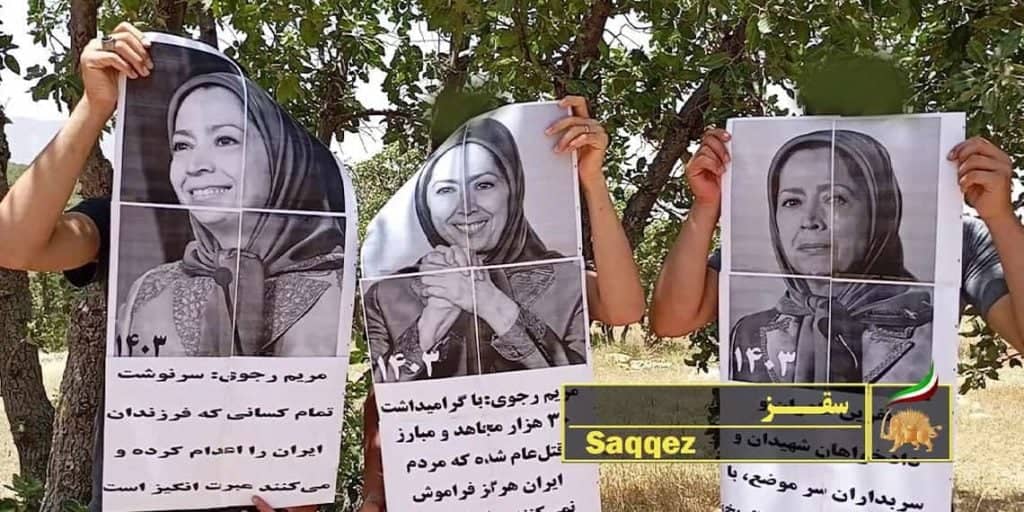
Aware of the MEK’s increasing appeal among Iranian youth, students, and academics, the regime has deployed numerous secret and overt organizations, thousands of surveillance cameras, and both visible and covert patrols across the country.
Mostafa Pourmohammadi's staged interview reveals the regime's desperation to rewrite history on the #1988Massacre and counter MEK's influence on a restless society—an organization #Tehran has tried hard to eliminate and defame while claiming it has no significant following. pic.twitter.com/dbxo2jjZGa
— NCRI-FAC (@iran_policy) June 25, 2024
It also heavily restricts internet access in an attempt to curb the inevitable gravitation of the revolutionary generation towards the MEK, an organization with a 60-year history of resistance against both monarchical and clerical dictatorships. Whether the regime will succeed after 45 years remains uncertain, but its officials’ persistent statements and ongoing actions against the organization may offer an answer.

MEK Iran (follow us on Twitter and Facebook), Maryam Rajavi’s on her site, Twitter & Facebook, NCRI (Twitter & Facebook), and People’s Mojahedin Organization of Iran – MEK IRAN – YouTu