The consequences were felt heavily as dissenters faced jail or forced exile. However, just four years later, Iranians hit back, resulting in the monarch’s exodus from the country.
This historical episode seemingly resonates with today’s Iran. Under the theocratic regime, Iranians are reeling from oppressive living conditions. It’s not just political adversaries; the general populace grapples with widespread censorship, security crackdowns, and continuous intimidation. Unofficial data indicate that millions are seeking refuge overseas.
The religious zealotry that propels the current regime shows no signs of abating. Zeinab Abu Talebi, a host on the state-run “Ofoq” TV network, captured this sentiment in mid-January 2020, brazenly suggesting, “Anyone who doesn’t share my views should leave Iran!”
Since the rise of Ebrahim Raisi to the presidency, this clampdown has intensified. Those lacking ties to the inner echelons of Supreme Leader, Ali Khamenei’s circle find themselves marginalized. From reformists and investors to students and carpenters, everyone outside the favored clique feels the heat.
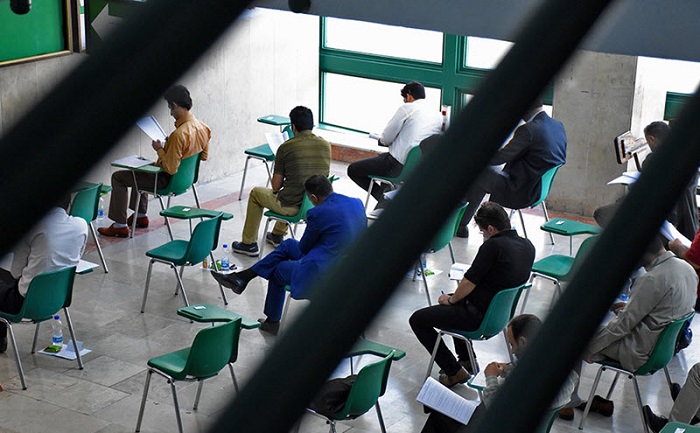
The Iranian regime’s destructive policies have made the brain drain phenomenon a daily routine. Doctors, nurses, engineers, and other elites are fleeing #Iran and seeking better lives in other countries.
Read more herehttps://t.co/ODe9iuszV4pic.twitter.com/cCLE5suTRN— NCRI-FAC (@iran_policy) September 7, 2021
The dire situation prompted Tehran’s Sharif University to initiate a research project in 2019, aiming to study the reasons behind this mass migration. This observatory was, however, met with suspicion and its director, Bahram Salavati, recently revealed the discontinuation of its funding.
Migration statistics are troubling. The observatory data show that between 2019-2022, Iranians procured over 2,000 visas from Canada and the UK for startups and self-employment. In just two years, 1,661 Iranian-involved firms sprouted in Turkey. The healthcare sector in the US alone has seen an influx of 29,000 Iranian professionals. The pull to migrate stretches across sectors, from employees to entrepreneurs, students to managers.
Beyond the human capital loss, there’s a significant outflow of financial resources. According to the state-run website Ruydad 24, capital flight from Iran surpassed $45 billion in the past four years, a figure believed to be a conservative estimate due to the prevalent underground economy.
Leaked Files Show #Iranian Regime’s Leadership Fails to Prevent Brain Drain Despite Acknowledging its Consequenceshttps://t.co/vFAWd5gqJx
— NCRI-FAC (@iran_policy) July 9, 2023
Azad Armaki, a state-associated sociologist, lamented two years back about the escalating migration, emphasizing Iran’s deteriorating societal fabric. Interestingly, a state-owned news outlet, while reporting Armaki’s remarks in December 2021, aptly reminded the current regime of its historical precedent with the headline, “The Shah Also Encouraged His Opponents to Leave the Country.”
These unfolding scenarios underscore the stark realities of Iran’s present-day sociopolitical landscape, resonating with the echoes of its past.

MEK Iran (follow us on Twitter and Facebook), Maryam Rajavi’s on her site, Twitter & Facebook, NCRI (Twitter & Facebook), and People’s Mojahedin Organization of Iran – MEK IRAN – YouTu