Despite the regime’s promises of energy self-sufficiency, Iranians continue to endure frequent power outages and water shortages, raising serious questions about the true intentions behind Tehran’s nuclear ambitions.
Over the past decade, the Iranian government has invested billions of dollars into its nuclear infrastructure, with the Sirik nuclear power plant alone projected to cost $20 billion and take nearly a decade to become operational. However, the results of these massive expenditures have been underwhelming at best. The Bushehr nuclear power plant, Iran’s only functional reactor, contributes a mere 3,000 megawatts to the national grid—far short of the 73,000 megawatts required during peak demand.
Critics argue that the government’s focus on nuclear power has come at a significant cost to the Iranian people. The nation’s energy crisis persists, with blackouts and water shortages becoming increasingly common. This has led many to question whether the nuclear program is truly about addressing energy needs, or if it is more about advancing Tehran’s geopolitical agenda, including potential nuclear weapons development.
In contrast, alternative energy sources, such as solar and wind, offer more promising solutions to Iran’s energy challenges. According to the International Renewable Energy Agency (IRENA), the cost of solar photovoltaic systems has decreased significantly in recent years, making it a highly viable option for Iran, which is blessed with abundant sunlight.
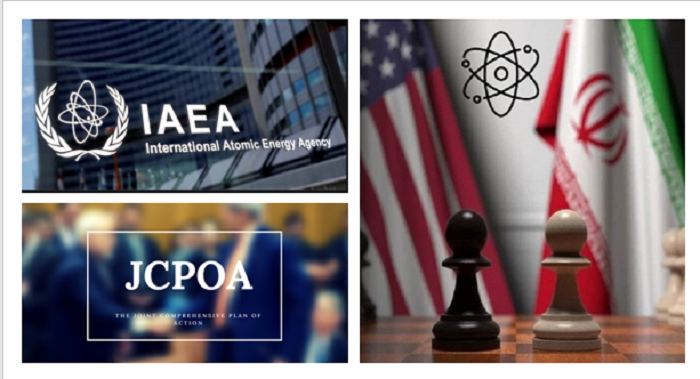
In light of @iaeaorg BoG resolution on the #Iranian regime's misconduct and failure to cooperate with the @UN watchdog, it's crucial to revisit over 3 decades of secretive activities and the NCRI's constant efforts to prevent a nuclear-armed pariah state.https://t.co/EiJenAsaiU https://t.co/lvD6qbumiY pic.twitter.com/qcXZLwOPO7
— NCRI-FAC (@iran_policy) June 5, 2024
A $20 billion investment in solar energy, for example, could install approximately 33 gigawatts of capacity far exceeding the potential output of the Sirik nuclear plant. Furthermore, solar projects could be completed in a fraction of the time it takes to build nuclear facilities, providing a quicker and more cost-effective energy solution.
Wind energy also presents a viable alternative. With an estimated global cost of $1,300 per kilowatt for onshore wind projects, Iran could develop around 15 gigawatts of wind capacity with the same $20 billion investment. This would significantly boost the country’s energy supply, particularly in wind-rich regions like the northern areas near the Caspian Sea.
Beyond meeting energy needs, investing in green energy would reduce Iran’s environmental impact, enhance energy security, and create much-needed jobs. It would also help diversify the country’s energy portfolio, reducing the risks associated with an over-reliance on any single energy source.
Yet, despite the clear benefits of renewable energy, the Iranian regime remains fixated on its nuclear program, leading to widespread discontent among the population. The continued prioritization of nuclear development over essential infrastructure has left the country’s power grid overstretched, its economy crippled by international sanctions, and its people struggling with poverty and hardship.
As the government clings to its nuclear ambitions, the gap between its promises and the everyday reality for Iranians grows wider. The ongoing energy crisis, coupled with the regime’s focus on nuclear development, is pushing the nation to a breaking point, where the patience of its citizens is wearing thin.

MEK Iran (follow us on Twitter and Facebook), Maryam Rajavi’s on her site, Twitter & Facebook, NCRI (Twitter & Facebook), and People’s Mojahedin Organization of Iran – MEK IRAN – YouTu