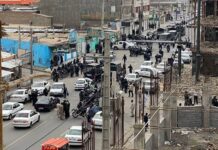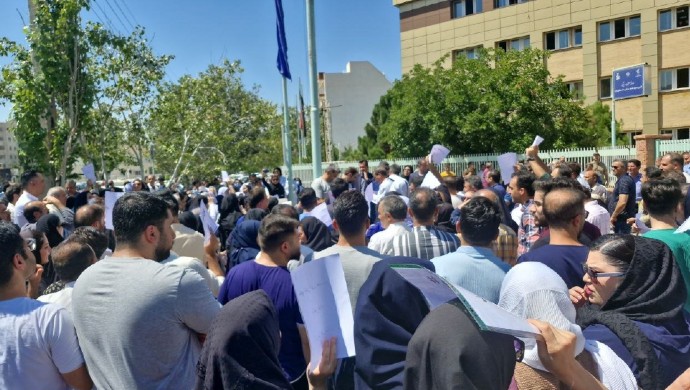
The scale of these demonstrations is unprecedented, with the state-run Khabar Online news website reporting on August 19, 2023, that “the protests are so widespread that everyone has lost count.” Thousands of nurses from various provinces have united, loudly voicing their grievances against the oppressive regime and demanding their rights.
The working conditions for Iranian nurses are dire, with many earning far below the poverty line. A nurse with ten years of experience makes only about 140 million rials per month, roughly $280. Overtime pay is equally dismal, at 200,000 rials per hour—about $0.33, equivalent to the cost of an average ice cream. Even more experienced nurses, with up to 28 years in the field, receive only 430,000 rials per hour for overtime, which is about $0.70.
On top of low wages, nurses are often required to work 12-hour shifts under intense pressure due to a nurse-to-patient ratio that is one-third of the global standard. This has led to an overwhelming workload that has forced some to the breaking point.
Many others are choosing to leave the country altogether, seeking better opportunities abroad. Over 3,000 nurses have emigrated in the past year alone, moving to countries like Oman and Bahrain, where they can earn several times more than in Iran. This exodus has further strained Iran’s already struggling healthcare system.
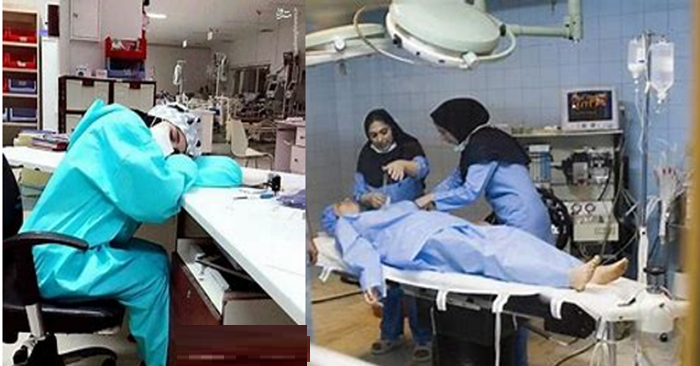
The situation is exacerbated by the Iranian regime’s failure to honor its agreements with nurses. Not only do they work under grueling conditions and for low pay, but nurses also face delays in receiving even these inadequate wages. The Deputy Minister of Nursing in the Ministry of Health admitted that overdue payments to healthcare workers amount to 320 trillion rials, with 80 trillion rials owed to the country’s 210,000 nurses.
Instead of addressing these legitimate grievances, the regime has chosen to suppress the protests through police action, threatening demonstrators with dismissal or imprisonment. Despite these threats, the nurses remain resolute, declaring they would rather stay home than surrender to unjust conditions.
The nurses, along with other oppressed groups, have come to understand that the regime only responds to the language of force. As a result, they chant, “Only on the streets can we get our rights.” Their unity and determination have not been swayed by threats or false promises, as they continue to demand dignity and fair treatment. The solidarity they have built with other groups, like retirees who have also been protesting for months, underscores a growing movement that believes in the power of collective action and resistance.
Through their protests, nurses have realized their strength lies in unity, chanting, “Our power is our unity; it is the fruit of our labor.” Their courage in the face of repression serves as a powerful reminder of the resilience of those fighting for justice and fair treatment in Iran.