Iran’s clerical regime is under intense scrutiny for its covert dealings involving multi-million-euro contracts with Chinese companies. These secretive arrangements have sparked a maelstrom of concerns related to corruption, lack of transparency, and the potential for increased surveillance of its citizens.
Despite facing stringent international sanctions and isolation from the global financial system due to its FATF blacklisting, Iran has devised intricate barter systems to funnel money to Chinese corporations. This method not only circumvents financial restrictions but also raises significant ethical and security questions.
Mehdi Chamran, the head of the council, has defended the deal’s confidentiality, asserting that its disclosure poses a security threat—a claim met with skepticism and criticism even within the council itself for its opacity.
#Iran News in Brief
In a recent wave of oppressive actions by the regime, Ahmadreza Radan, the Commander-in-Chief of State Security Forces, announced that a plan is being implemented to deal with #women’s dress code using surveillance cameras and #AI.https://t.co/qdaY0w4aYb pic.twitter.com/SxfwCbUaFm— NCRI-FAC (@iran_policy) June 17, 2023
The array of contentious contracts does not end there. Deals totaling 400 million euros were struck for “smart equipment and traffic control cameras” that pose a direct threat to the privacy of Iranian citizens, likely enhancing the state’s capabilities to monitor political dissidents extensively.
Additionally, the purchase of 150,000 electric motorcycles and 27,500 new taxis from Chinese automaker GAC Aion, without a standard tendering process, further underscores the regime’s preference for secretive negotiations over transparent governance. These transactions are not isolated decisions but appear to be part of a broader strategy endorsed by various levels of the Iranian government including President Ebrahim Raisi and the office of Supreme Leader Ali Khamenei.
The involvement of multiple governmental agencies underscores a coordinated state-wide effort to maintain these shadowy financial channels. Such systemic collaboration suggests these dealings are not just economic but are also a strategic response to the international sanctions that have severely hampered Iran’s access to the global markets.
#Iran News in Brief
According to a former official, since the regime in Iran has been put on the #MoneyLaundering blacklist of @FATFNews, countries like China, Iraq, Pakistan and Afghanistan refuse any banking and financial cooperation with Tehran.https://t.co/2HTl8vGRIw pic.twitter.com/NtMdqUT40x— NCRI-FAC (@iran_policy) January 2, 2023
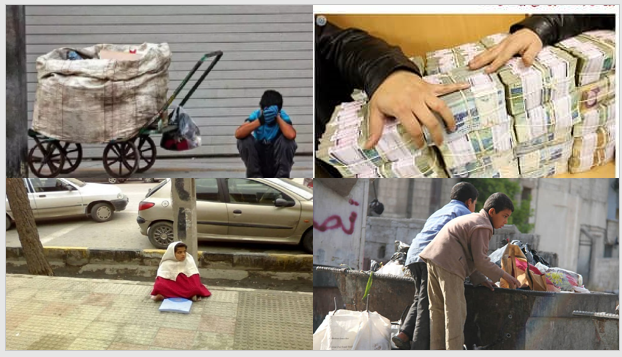
Critics argue that these deals primarily serve the interests of the regime’s elite, who continue to enrich themselves at the cost of the general populace, suffering from the compounded impact of sanctions, systemic corruption, and economic mismanagement. Iran ranks 147th out of 180 countries in Transparency International’s 2022 Corruption Perception Index, highlighting the rampant corruption that plagues the nation.
The continuous reliance on barter arrangements with China signifies a deeper economic dependency and a strategic move by Tehran to leverage whatever international relationships it maintains to mitigate the effects of sanctions. However, these opaque contracts not only finance dubious deals but also facilitate a broader agenda of suppressing dissent and reinforcing the surveillance state within Iran.
The international community must scrutinize these actions closely to ensure that efforts to close loopholes in sanctions do not inadvertently allow such regimes to further oppress their citizens under the guise of economic transactions.

MEK Iran (follow us on Twitter and Facebook), Maryam Rajavi’s on her site, Twitter & Facebook, NCRI (Twitter & Facebook), and People’s Mojahedin Organization of Iran – MEK IRAN – YouTu