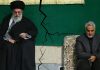
His death is seen as a significant strategic blow to Khamenei, destabilizing the regime and evoking parallels with the final days of Shah’s rule.
Iranian opposition President-elect Maryam Rajavi of the National Council of Resistance of Iran (NCRI), described Raisi’s demise as an irreparable loss for Khamenei and his administration, notorious for its history of executions and massacres.
Rajavi emphasized that this event could trigger a series of crises within the theocratic system, potentially mobilizing rebellious youths and opposition groups into action. She honored the victims of the 1988 massacre, reaffirming the NCRI’s commitment to seeking justice and overthrowing the current regime.
The death of Ebrahim Raisi, the clerical regime’s President represents a monumental and irreparable strategic blow to the mullahs’ Supreme Leader Ali Khamenei and the entire regime, notorious for its executions and massacres. It will trigger a series of repercussions and crises… pic.twitter.com/2XW5a5NQoI
— Maryam Rajavi (@Maryam_Rajavi) May 20, 2024
Khamenei’s investment in Raisi was part of a broader strategy to centralize power and prevent popular uprisings. Raisi’s presidency was intended to create a monolithic power structure, sidelining many influential figures within the regime. His sudden death, however, has undone these efforts, intensifying internal divisions and igniting societal unrest. This situation bears a striking resemblance to the final phase of the Shah’s dictatorship.
According to Article 131 of the Iranian constitution, “the first vice president assumes the powers and responsibilities with the approval of the leadership, and a council consisting of the speaker of the parliament, the head of the judiciary, and the first vice president is obliged to arrange for a new president to be elected within a maximum period of 50 days.” This constitutional provision, which Khamenei has long sought to avoid by engineering elections and eliminating close allies, now sets the stage for a fierce power struggle among the regime’s top ranks.
Will #Iran #Khamenei See the End of His “Precious” Raisi Term?https://t.co/8BQXY1AzGR
— NCRI-FAC (@iran_policy) June 21, 2022
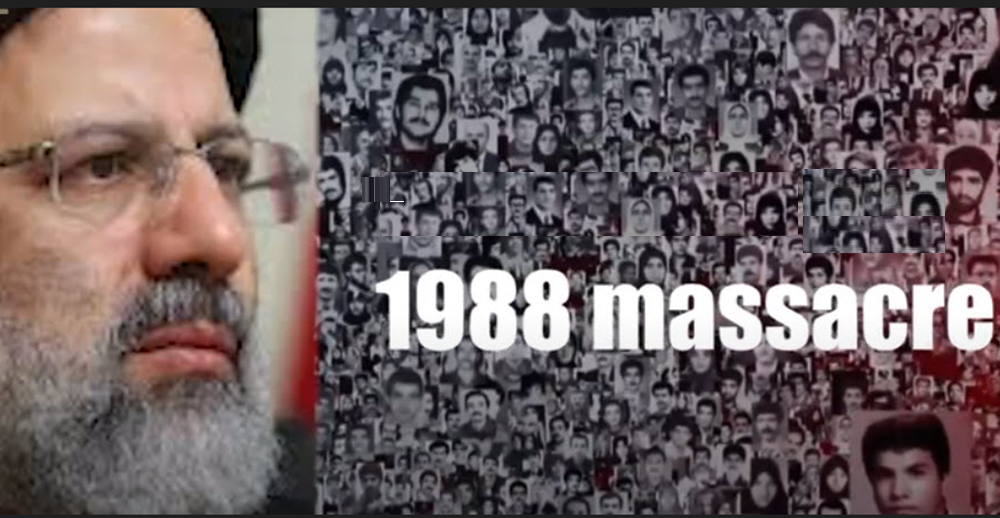
The death of Raisi, notorious for his role in the 1988 massacre of 30,000 political prisoners and the 2019 uprising that left 1,500 dead, has been met with widespread public relief. This event has significantly boosted the morale of the people and the families of the regime’s victims, potentially catalyzing a new wave of protests. Anticipating unrest, the regime has mobilized repressive forces to maintain control.
However, societal discontent is profound, and larger, more radical protests may soon erupt, surpassing even the 2022 uprisings. Khamenei now faces a critical decision: retreat from his current path or double down on strategies of suppression and power consolidation. The latter, which seems more likely, involves increasing repression, eliminating more regime insiders, escalating regional terrorism, and potentially accelerating nuclear weapons development.
This approach may temporarily stave off internal collapse but will likely ignite further uprisings in an already volatile society, ultimately leading to the regime’s downfall.
Iran stands at a critical juncture. The death of Ebrahim Raisi is more than the loss of a single figure; it symbolizes the regime’s vulnerability and the growing potential for transformative change. The coming weeks and months are expected to witness significant upheavals as the regime grapples with internal power struggles and a reinvigorated opposition. Khamenei’s strategic position becomes increasingly tenuous as he faces the daunting task of maintaining control amidst mounting challenges.

MEK Iran (follow us on Twitter and Facebook), Maryam Rajavi’s on her site, Twitter & Facebook, NCRI (Twitter & Facebook), and People’s Mojahedin Organization of Iran – MEK IRAN – YouTu