The United Nations’ Sustainable Development Goals place emphasis on universal access to education, highlighting the importance of literacy and numeracy. However, for many in Iran, particularly women and girls, basic literacy remains an unreachable aspiration.
Former Minister of Education under Ebrahim Raisi’s government, Yousef Norouzi, presented alarming statistics, suggesting over 10% of Iran’s population, roughly 9 million, are absolute illiterates. He based this on self-declarations by those aged six and above. Norouzi also underscored a significant number of children deprived of education, with over 160,000 children currently lacking access across various educational levels.
Furthermore, UNESCO pinpoints that roughly 2% of Iranians under the age of 24 remain absolutely illiterate. This stands in stark contrast to neighboring nations like Turkey, Armenia, Azerbaijan, Russia, and Turkmenistan, which have almost eradicated youth illiteracy.
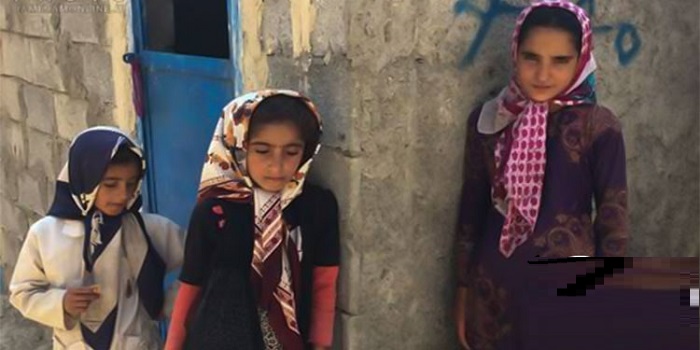
The discrepancies in official statements are troubling. Ali Baqerzadeh, head of Iran’s Literacy Movement Organization, in 2018, estimated 8.8 million absolute illiterates and an additional 11 million semi-illiterates. Alarmingly, two-thirds of the illiterate population in Iran are women.
Economic hardships, combined with the policies of the clerical regime, exacerbate the literacy crisis. The regime’s vehement opposition to global education initiatives, such as the UN 2030 Education Plan, highlights a resistance rooted in a belief that such initiatives are tools of dominating powers.
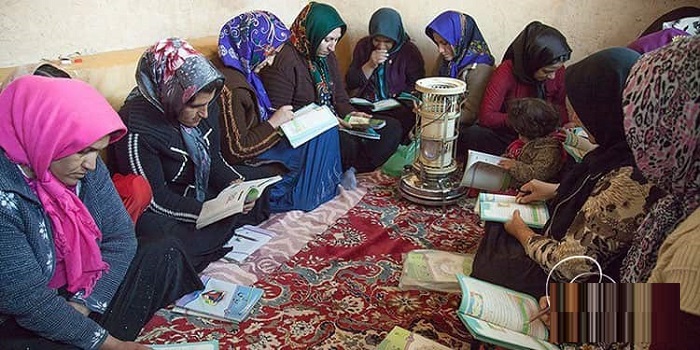
Despite constitutional mandates, education remains non-compulsory. Gender disparities further taint Iran’s educational landscape. A member of the parliamentary social commission disclosed that Iran’s literacy rate for women stands at a mere 82.5%, lagging behind neighbors like the UAE, Jordan, and Turkey.
Mohammadreza Mahboubfar indicates that Iran is witnessing a silent crisis, with illiteracy rates creeping back up to 47%. This crisis intertwines with rising social harm, poverty, and unemployment, suggesting a deeply problematic education system.
In conclusion, the prevailing state of literacy, primarily affecting women and girls, is deeply concerning. With opposition to global educational goals, lack of mandatory education, and soaring gender disparities, the path forward remains bleak. Achieving equal access to quality education mandates a transformative approach, which may necessitate a regime change committed to its people’s welfare.
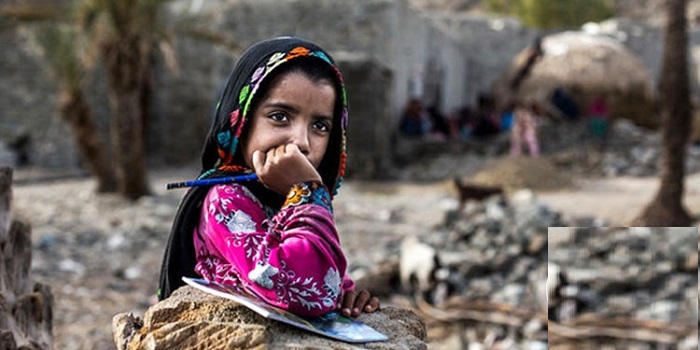
Moreover, access to education for Iranian children remains restricted, with reports estimating between 2 to 4 million students out of school. A concerning factor is the soaring dropout rates, especially among girls.

MEK Iran (follow us on Twitter and Facebook), Maryam Rajavi’s on her site, Twitter & Facebook, NCRI (Twitter & Facebook), and People’s Mojahedin Organization of Iran – MEK IRAN – YouTu