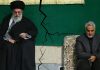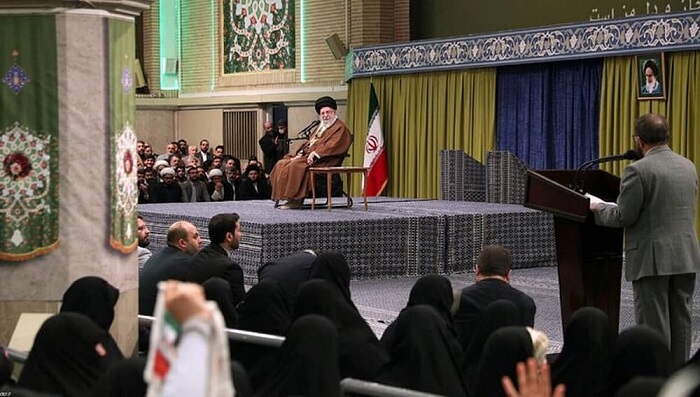
His recent speeches, delivered amid a backdrop of strategic setbacks and internal dissent, highlight a leader struggling to maintain his grip. On December 22, Khamenei called on Syrian youth to rise against the newly established government in Damascus, labeling it a product of a “joint plot” by the United States and Israel.
His rhetoric underscored Tehran’s diminishing influence following the collapse of Bashar al-Assad’s regime—a pivotal ally in Syria. The fall of Assad has left Iran’s proxies, including Hezbollah and the Houthis, in a weakened state, with disrupted supply lines and strained resources. Yet, Khamenei denied relying on these groups as proxies, instead portraying them as independent entities driven by shared convictions.
Khamenei Digs in As #Assad’s Fall Rattles #Tehranhttps://t.co/LW9OIi50Kp
— NCRI-FAC (@iran_policy) December 11, 2024
Internally, Khamenei has struggled to quell unrest as public dissatisfaction with his regime grows. His sharp rhetoric against dissenters, coupled with threats of punishment for critics, reflects an attempt to stave off further destabilization. “Casting doubt is one of the enemy’s main strategies,” he warned, while dismissing the notion that domestic protests are rooted in Iranian grievances, instead blaming foreign powers for orchestrating unrest.
These challenges are exacerbated by cracks in Khamenei’s regional strategy. Reports suggest waning morale and reduced capacity among his regime’s network of proxy forces, particularly in Iraq and Lebanon. Senior officials, including Ali Akbar Ahmadian, have acknowledged the difficulties in sustaining Tehran’s regional ambitions, signaling a departure from the confidence of earlier years.
Khamenei Responds to #USElection2024 by Doubling Down on #Iran’s Strategic Direction and Succession Planshttps://t.co/hCsJfqj06X
— NCRI-FAC (@iran_policy) November 8, 2024
Khamenei’s heightened public appearances and defensive tone underscore his concern about the parallels between Syria and Iran, where dissatisfaction with governance and calls for change echo similar demands that toppled Assad. His intensified focus on silencing dissent may be an acknowledgment of the growing threat posed by these similarities.
Despite his attempts to project resilience, Khamenei’s speeches reveal a regime grappling with profound challenges. As Tehran faces setbacks abroad and unrest at home, Khamenei’s leadership appears increasingly fragile, with his defensive rhetoric signaling an awareness of his regime’s vulnerabilities. The future of his hold on power remains uncertain as both domestic and regional dynamics continue to evolve.
#Khamenei’s Post-Strike Address Exposes Fears of Regional Setbacks and Regime Insecurityhttps://t.co/CNStufiQYC
— NCRI-FAC (@iran_policy) October 28, 2024

MEK Iran (follow us on Twitter and Facebook), Maryam Rajavi’s on her site, Twitter & Facebook, NCRI (Twitter & Facebook), and People’s Mojahedin Organization of Iran – MEK IRAN – YouTu