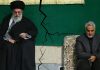
In his latest speech on January 28, Supreme Leader Ali Khamenei issued a stern warning to his diplomatic operatives, urging them to “open our eyes and be aware of who we are dealing with, who we are negotiating with, and who we are speaking to.” The statement comes amid growing internal criticism and strategic setbacks, most notably following the collapse of the Assad dictatorship a long-standing ally whose downfall has exposed critical vulnerabilities within Iran’s regional influence. 
Khamenei’s speech was a defensive response to mounting challenges within the regime. His call for vigilance underscored a regime grappling with a loss of strategic depth, a concept long touted by Iranian officials to justify their military and political maneuvers abroad. The demise of Syria’s Assad regime has been described as a “lethal poison” for Khamenei’s standing, with senior figures questioning the massive investments of 100,000 IRGC and Basij troops and billions of dollars that failed to prevent the collapse.
The criticism has not been limited to external observers. Internal voices have grown increasingly vocal. Mohammad Ali Jannatkhah, writing for Didar News on January 12, dismissed the notion of strategic depth as “ridiculous talk” and argued that the regime has repeated its past mistakes at a high cost. Similarly, Abdolrahim Soleimani Ardestani, a member of the Qom Seminary Teachers Association, lambasted the decision to defend Bashar al-Assad, calling the justification of protecting religious shrines “neither ethical, nor religious, nor legitimate.” He contended that the bloodshed in Syria, which included the brutal crackdown on cities like Aleppo and the atrocities in Sednaya prison, had left an indelible stain on the regime’s record.
In an earlier address on January 1, Khamenei had defended the sacrifices made in Syria, arguing that the bloodshed in defense of the Sayyida Zaynab shrine was not wasted. However, his efforts to justify past policies have done little to quell the internal backlash. A state-run outlet, Ham-Mihan, criticized hardliners for “escaping forward”—doubling down on failed strategies rather than acknowledging the need for a change in direction.
The internal dissent reflects a regime increasingly aware of its strategic shortcomings. With dissent brewing among both military and clerical factions, Khamenei’s latest remarks serve as a stark reminder of the challenges facing a leadership now struggling to maintain its grip on power amid a rapidly shifting regional landscape. As the regime continues to face criticism from within, the future of its long-held strategic doctrines remains uncertain.

MEK Iran (follow us on Twitter and Facebook), Maryam Rajavi’s on her site, Twitter & Facebook, NCRI (Twitter & Facebook), and People’s Mojahedin Organization of Iran – MEK IRAN – YouTu