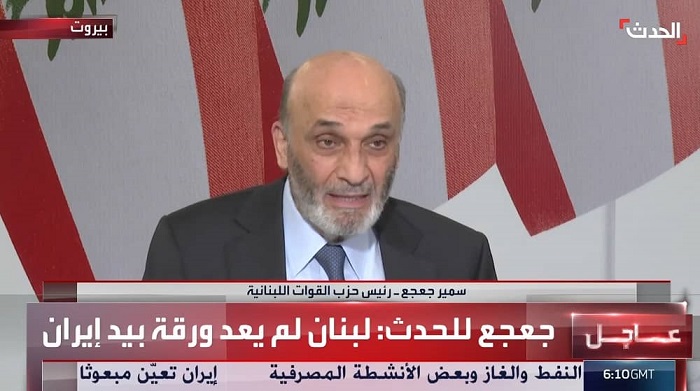
Samir Geagea, leader of the Lebanese Forces Party, declared on January 13 that Lebanon is no longer a tool in the hands of the Iranian regime. His statements highlight the diminishing regional dominance of Tehran, which has faced growing challenges in maintaining its influence over key countries like Lebanon and Iraq.
In an interview with al-Hadath TV, Geagea pointed to Iran’s waning grip, stating, “The process of limiting the Iranian regime’s influence in Iraq has begun.” He described these developments as a sign of the regime’s weakening regional ambitions, encouraging Middle Eastern nations to capitalize on this moment to rebuild their independence and stability.
This comes against the backdrop of mounting internal and external pressures on Tehran. Widespread protests, economic challenges, and increasing international isolation have eroded the regime’s capacity to project power. Once boasting control over four Arab capitals—Baghdad, Damascus, Beirut, and Sanaa—Iran’s hold has brought more destruction than stability, according to Geagea.
#Iran News: Beirut Airport’s Second Iranian Flight Inspection Heightens Tehran’s Unease Over Waning Influence in #Lebanonhttps://t.co/WelqJ5zeOV
— NCRI-FAC (@iran_policy) January 5, 2025
Recent actions by Lebanese authorities underscore the country’s commitment to asserting its sovereignty. Last week, unprecedented inspections of Iranian Mahan Air flights at Beirut’s Rafic Hariri International Airport revealed efforts to curb Tehran’s logistical support for Hezbollah. Lebanese Interior Minister Bassam Mawlawi described the move as essential for ensuring national security and sovereignty, signaling a clear intent to reduce Tehran’s operational leverage.
The political landscape in Lebanon has also seen transformative changes. The election of General Joseph Aoun as president, ending a two-year political deadlock, is widely regarded as a step towards restoring stability. Aoun’s presidency, supported by a broad parliamentary majority, is expected to challenge Hezbollah’s influence and strengthen Lebanon’s sovereignty.
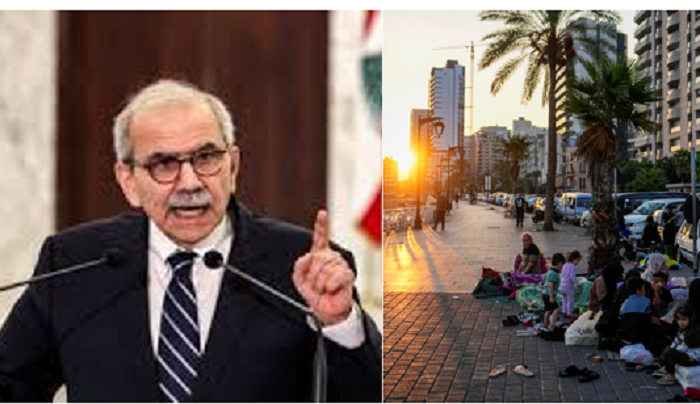
Known for his international credentials and leadership at the International Court of Justice, Salam’s nomination is seen as a strategic move to further distance Lebanon from Iranian interference.
These shifts highlight a broader regional trend of countries seeking to reclaim autonomy from Tehran’s interventionist policies. As Geagea emphasized, the opportunity is ripe for Middle Eastern nations to rebuild their independence and stability, free from the constraints of Iranian dominance.

MEK Iran (follow us on Twitter and Facebook), Maryam Rajavi’s on her site, Twitter & Facebook, NCRI (Twitter & Facebook), and People’s Mojahedin Organization of Iran – MEK IRAN – YouTu