This unprecedented scrutiny highlights Lebanon’s shift away from Tehran’s influence amid broader regional realignments. Lebanese Interior Minister Bassam Mawlawi confirmed the government’s resolve to enforce stricter security protocols at Beirut’s airport.
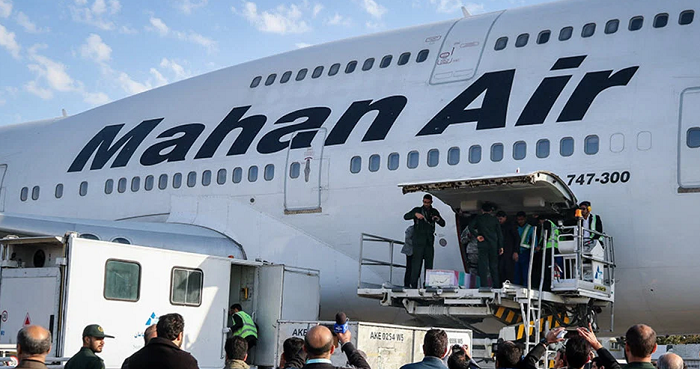
“At 11:30 AM today, a Mahan Air flight arrived, and all items onboard were inspected without exception,” Mawlawi announced, emphasizing Lebanon’s commitment to safeguarding its sovereignty. The inspections follow intelligence suggesting these flights may facilitate financial and logistical support for Hezbollah, Iran’s key ally in the region.
A similar inspection occurred just a day earlier, sparking diplomatic tension when Iranian officials cited the Vienna Convention to prevent the inspection of diplomatic pouches. Although no contraband was found, these successive actions underscore Lebanon’s efforts to curtail Tehran’s operational reach within its borders.
#Iran News: Beirut Airport Tightens Security Over Suspected #Hezbollah Funds Amid Tehran’s Declining Influencehttps://t.co/bjGdmq15bM
— NCRI-FAC (@iran_policy) January 3, 2025
The shift is not isolated. In recent weeks, Lebanon handed over 70 former Syrian regime officers to Syria’s new leadership, further signaling a move away from Iran’s sphere of influence. Analysts note that Lebanon’s increasing alignment with international scrutiny and regional changes marks a notable decline in Tehran’s foothold.
Iranian state media, including Farhikhtegan and Tasnim News Agency, framed the inspections as part of a U.S.-led campaign to undermine Iran’s regional position. Mojtaba Amani, Iran’s ambassador to Lebanon, criticized the selective targeting of Iranian flights, stating, “This move is not acceptable. Such measures must be applied universally.”
Tehran clarified that the inspected diplomatic pouches contained only official documents and embassy funds, adhering to international law. However, Iranian media questioned the intent behind Lebanon’s actions, suggesting a broader agenda to sever ties between Tehran and its allies, particularly Hezbollah.
Leaked Documents Expose #Iranian Regime’s Unraveling Agenda in #Syria and #Lebanonhttps://t.co/dp64mP3FPS
— NCRI-FAC (@iran_policy) December 30, 2024
Observers believe the inspections represent more than just security measures—they are emblematic of a significant geopolitical shift. With Iran facing mounting setbacks in Syria and heightened global scrutiny, Lebanon’s distancing signals a broader regional recalibration. For Tehran, these inspections amplify concerns over its waning influence and fuel accusations of external interference.
As Lebanon redefines its alliances, the evolving dynamics at Beirut’s airport reflect a country navigating a delicate balance between asserting its sovereignty and managing the complexities of Middle Eastern geopolitics.

MEK Iran (follow us on Twitter and Facebook), Maryam Rajavi’s on her site, Twitter & Facebook, NCRI (Twitter & Facebook), and People’s Mojahedin Organization of Iran – MEK IRAN – YouTu