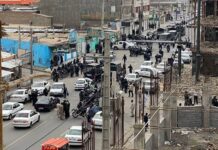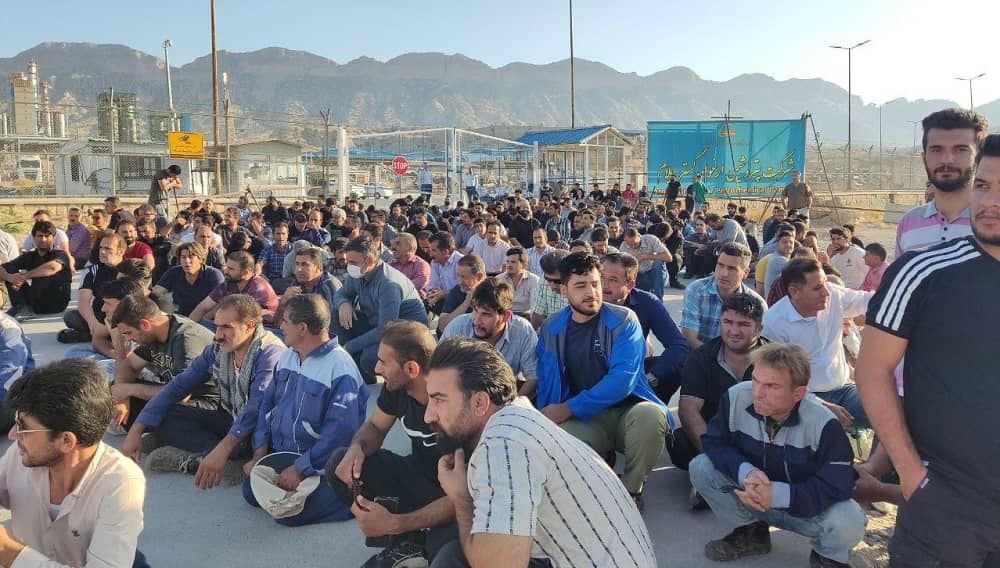
Citizens from various walks of life, including retirees, workers, disabled individuals, and students, took to the streets to demand action on long-standing grievances.
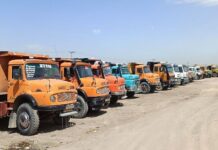
In Kerman, coal miners’ retirees led protests over low pensions and harsh working conditions, reflecting broader discontent in Iran’s industrial sectors. Meanwhile, heavy vehicle drivers in Zahedan gathered outside the governor’s office to protest the blocking of their fuel cards, which were essential for their work. Tehran witnessed a different protest as disabled citizens rallied outside the Budget and Planning Organization, demanding enforcement of Article 27 of the Disability Law.
These protests were mirrored in Mashhad, Qom, and Kermanshah, where demonstrators carried signs reading, “Enough oppression, our tables are empty.” Firefighters in Qom also joined the demonstrations, emphasizing growing frustration across various public service sectors.
On September 22, amid deepening economic hardship and government neglect, protests erupted across #Iran as retirees, workers, students, and other groups demanded better wages, living conditions, and basic rights.
In Kerman, coal miners' retirees protested low pensions. Zahedan… pic.twitter.com/62eNLwRfde— NCRI-FAC (@iran_policy) September 22, 2024
Petrochemical workers in Islamabad and Bandar Mahshahr protested poor wages and working conditions. At the same time, retirees from the steel and mining industries gathered in Isfahan, chanting, “Neither the Parliament nor the government cares about the people.” In Ahvaz, Shush, and Kermanshah, Social Security retirees echoed similar sentiments, protesting the government’s failure to address economic challenges, chanting, “The outcome of the government’s work is the looting of the people’s pockets.”
The protests extended beyond workers and retirees. In Kahnuj, 70 students from the village of Sharikabad boycotted school to protest inadequate infrastructure and lack of access to education, highlighting the entrenched inequalities in Iranian society. In Tabriz, ITC retirees gathered to demand better pensions and fulfilled promises on benefits, underscoring the economic hardships that have disproportionately affected pensioners.
The death of Fardin Rostamnejad, a 35-year-old Kurdish freight carrier (kulbar), added further fuel to the unrest. Rostamnejad succumbed to injuries sustained from gunfire by the regime’s security forces at the Nowsud border, sparking renewed outrage against the regime’s brutal treatment of marginalized laborers. His death, along with the injuries sustained by his four brothers in similar incidents, highlighted the dangerous conditions faced by impoverished kulbars.
In Mashhad, disabled citizens protested the government's failure to implement disability laws. Retirees in Ahvaz and Isfahan rallied over poor pension adjustments, decrying #economic mismanagement. pic.twitter.com/yQSOFxe9vB
— NCRI-FAC (@iran_policy) September 22, 2024
Amid the protests, Iran’s disabled population remains neglected, with the government’s failure to implement key provisions of the Disability Law sparking widespread condemnation. Recent cuts to benefits for 13,000 disabled individuals have only intensified public anger.
These protests signal a rising wave of discontent across Iran, as economic mismanagement, government indifference, and human rights abuses push the nation toward further unrest. With the regime failing to address these issues, Iran’s clerical rule faces increasing fragility as social unrest grows.

MEK Iran (follow us on Twitter and Facebook), Maryam Rajavi’s on her site, Twitter & Facebook, NCRI (Twitter & Facebook), and People’s Mojahedin Organization of Iran – MEK IRAN – YouTu