The unrest, which spans education, healthcare, agriculture, and more, underscores the widespread dissatisfaction with the current regime’s handling of critical issues.
On August 13, literacy educators in Tehran staged a significant protest in front of the Education Ministry. Their primary demand was the promotion to official teaching positions, a move that reflects a broader discontent within the public sector, particularly in education. These educators, who play a crucial role in shaping the future of the nation, are calling for recognition and fair treatment from the government.
In the healthcare sector, nurses in various regions, including Kangan, Eslamabad-e Gharb, Arak, and Taft, have taken to the streets to demand better working conditions, fair wages, and an end to workforce shortages. The protest wave that began in Shiraz has gained momentum, with up to 80% of nurses in Shiraz ceasing work in protest. Despite efforts by security forces to suppress these strikes, the movement continues to grow, highlighting the dire state of the healthcare system in Iran.
August 13—Arak, central Iran
Nurses join the nationwide protests against poor working conditions, low wages, workforce shortage, unfair rules for extra work hours.#IranProtestspic.twitter.com/qBwTUY8iqw— People's Mojahedin Organization of Iran (PMOI/MEK) (@Mojahedineng) August 13, 2024
The agricultural sector is also in turmoil, with farmers in Isfahan holding ongoing protests at Khorasgan Square. They are demanding immediate government action to address severe water shortages that have devastated their livelihoods. The silence from authorities has only intensified the unrest, emphasizing the critical need for better water management policies.
In addition to these protests, political prisoners across Iran have launched the “No to Executions Tuesdays” campaign, now in its 29th week. Inmates from 18 prisons, including Tehran’s Evin Prison, have joined a hunger strike to protest the alarming rise in executions. This campaign reflects the deepening human rights crisis in the country.
August 13—Taft, central Iran
Nurses in Taft join the strike started by nurses in Shiraz. Nurses are protesting poor working conditions, workforce shortages, low wages, and other basic needs. #IranProtests pic.twitter.com/dF7haaF9wz— People's Mojahedin Organization of Iran (PMOI/MEK) (@Mojahedineng) August 13, 2024
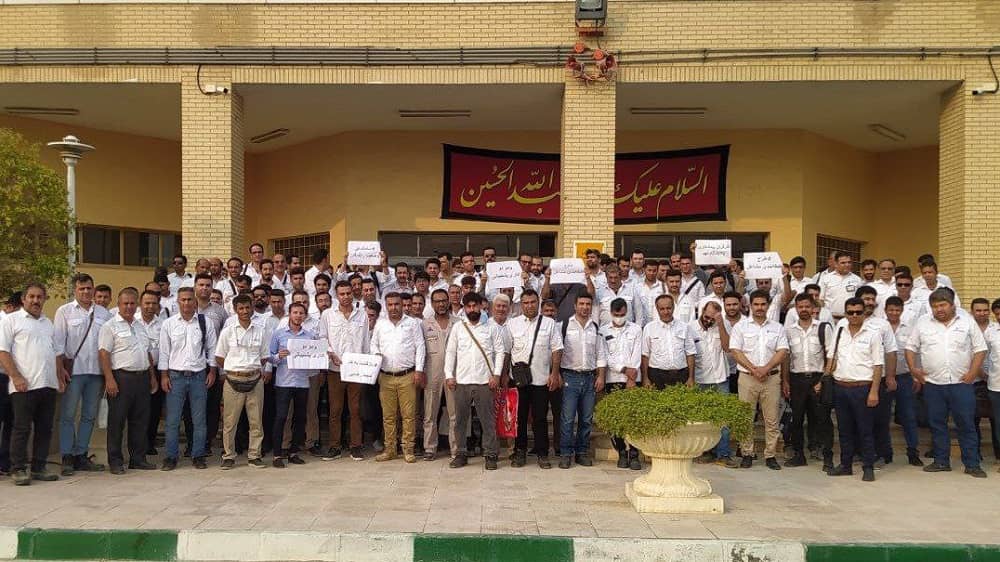
Workers in the oil and gas sector are also joining the wave of protests. Employees of third-party contractors at several refineries in the South Pars Gas Complex are demanding better wages, job security, and the elimination of intermediary contractors. These workers, long subjected to harsh conditions, are calling for immediate reforms.
The widespread protests across Iran reveal a nation grappling with deep-seated issues and growing discontent with the government’s failure to address them. As social pressures mount, the government’s reliance on repressive measures to silence dissent only adds fuel to the fire, pushing the country toward further unrest.
PMOI Resistance Units across Iran commemorate the victims of the mullahs' regime on the anniversary of the 1988 massacre of more than 30,000 political prisoners in Iran.#Iran #PMOI #ResistanceUnits pic.twitter.com/FBeLqvHdN0
— People's Mojahedin Organization of Iran (PMOI/MEK) (@Mojahedineng) August 13, 2024

MEK Iran (follow us on Twitter and Facebook), Maryam Rajavi’s on her site, Twitter & Facebook, NCRI (Twitter & Facebook), and People’s Mojahedin Organization of Iran – MEK IRAN – YouTu