On that day alone, 29 prisoners were executed, 26 of them in Ghezel Hesar Prison and three, including two women, in Karaj Central Prison. This wave of executions represents the highest number in a single day in recent years, signaling an intensified crackdown on dissent.
This surge in state-sanctioned killings comes amid a broader pattern of repression, with at least 87 citizens executed since the so-called “election” that brought Pezeshkian to power. Among the latest victims is Reza Rasaei, a political prisoner arrested during the 2022 uprisings, who was executed the day before in Kermanshah.
The regime’s actions have drawn widespread international condemnation, yet the government remains undeterred, bolstered by a longstanding culture of impunity. The United Nations Special Rapporteur on the situation of human rights in Iran, Javaid Rehman, has long criticized the regime’s systemic impunity, which he argues has enabled the ongoing violations of human rights.
For 3 decades, the int’l com.has been silent over the #1988massacre. The mullahs have continued with impunity to violate human rights in Iran, launch terrorist operations, and wage wars in the Middle East and other countries. Now, the time has come to end this silence. pic.twitter.com/NIDTA1EN6S
— Maryam Rajavi (@Maryam_Rajavi) August 25, 2018
“Institutional impunity and the absence of a system for accountability for violations of human rights permeate the political and legal system of the Islamic Republic of Iran,” Rehman stated in his report. This lack of accountability, he noted, is deeply rooted in the state’s negation of the rule of law and the separation of powers.
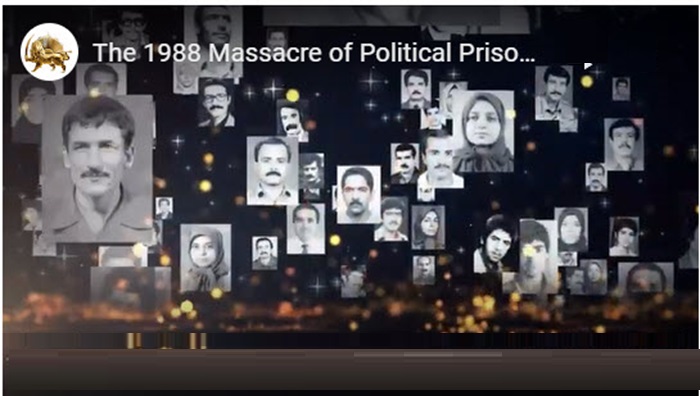
The impunity that has allowed key figures responsible for past atrocities, such as the 1988 massacre of political prisoners, to continue their oppressive tactics, remains a central issue. The regime’s brutal suppression of dissent was particularly evident during the November 2019 protests, which saw the killing of approximately 1,500 demonstrators, and the 2022 uprisings, where over 750 protesters were killed and more than 30,000 arrested.
#MaryamRajavi: For 3 decades, int’l com. has been silent over #1988massacre.
The mullahs have continued w/ impunity to violate human rights in #Iran, launch terrorist operations, and wage wars in Middle East and other countries. Now, time has come to end this silence. pic.twitter.com/773U9K4auj— Women's Committee NCRI (@womenncri) August 25, 2018
Amnesty International’s Secretary-General, Agnès Callamard, has also highlighted this entrenched culture of impunity. In 2021, she pointed out that Ebrahim Raisi, then the president of Iran, should have been investigated for crimes against humanity, rather than being elevated to the presidency. Raisi’s tenure as head of the judiciary was marked by a severe crackdown on human rights, with peaceful dissidents and minority groups subjected to arbitrary detention, torture, and enforced disappearances.
Though Raisi’s death in May 2024 ended his direct influence, his legacy of repression lives on under Pezeshkian’s administration. The recent spike in executions underlines the continuity of brutal state practices, with Supreme Leader Ali Khamenei maintaining a tight grip on power, suppressing any potential uprisings with ruthless efficiency.
Time to end impunity in Iran. Those responsible for the #1988Massacre should be brought to justice.
Canada and 46 other countries sponsored a new resolution in the UN 3rd committee today to condemn human rights violations and the culture of impunity in Iran. #ProsecuteRaisiNOW pic.twitter.com/vfZoXSWzRy— Aladdin Touran (@AladdinTouran) November 17, 2021
The international community faces a critical challenge in addressing these ongoing human rights abuses. The UN Special Rapporteur has called for an independent international investigative and accountability mechanism to document and preserve evidence for future prosecutions. As the world commemorates the victims of the 1988 massacre, the escalating repression in Iran underscores the urgent need for concrete actions to hold the regime accountable and prevent further atrocities.

MEK Iran (follow us on Twitter and Facebook), Maryam Rajavi’s on her site, Twitter & Facebook, NCRI (Twitter & Facebook), and People’s Mojahedin Organization of Iran – MEK IRAN – YouTu