The closure, announced by official government sources, follows a sharp decline in the stock market and escalating economic turmoil attributed to Raisi’s death and the resulting political upheaval.
Before the market shutdown, various state media outlets reported a dramatic downturn in the stock market. Government bonds, known as “yakuza,” surged significantly before Raisi’s demise, raising suspicions of market manipulation. Financial instability was further exacerbated by the plummeting value of the Iranian rial.
On May 20, the state-run Khabar Online noted, “Since the announcement of the helicopter crash involving Raisi, the exchange rate in the open market, which had been falling to 56,000 tomans, suddenly rose in Telegram channels to 61,000 tomans.”
The burst of #Iran’s stock market bubble and the disappearance of people's money in the capital market has been a topic of discussion and criticism by the media and government experts.https://t.co/eKvnIg2gtF
— People's Mojahedin Organization of Iran (PMOI/MEK) (@Mojahedineng) April 21, 2021
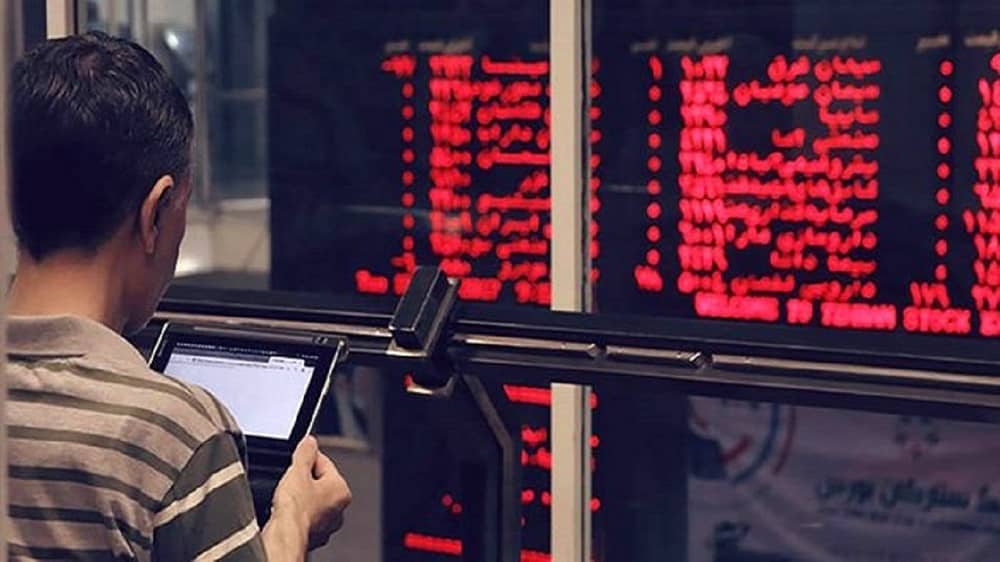
The state-run ISNA news agency confirmed that all transactions in the Tehran Stock Exchange, Iran Fara Bourse, and commodity exchange-based securities were suspended due to Raisi’s death. Financial experts have highlighted a 40 percent increase in bond rates prior to Raisi’s death, attributed to deliberate manipulations aimed at covering the budget deficit. These actions, ordered by the head of Iran’s Plan and Budget Organization, included issuing 4 trillion tomans in bonds from the capital market.
This financial strategy, intended to address a significant budget shortfall, was implemented early in the fiscal year to prevent end-of-year crises. However, Raisi’s death disrupted these plans, causing further instability.
#Iran’s #StockMarket Bubble
What miracle has happened in Iran’s #economy that the #Tehran Stock EXCHANGE has risen by 250 percent compared to the rest of the world? https://t.co/U7sCLyCsjS— NCRI-FAC (@iran_policy) May 31, 2020
Additionally, other market manipulations, such as canceling tax exemptions for stock market companies and issuing government bonds, were part of Raisi’s interventionist policies. These moves led to substantial losses for numerous companies, including major firms like Zagros Petrochemical, Tabriz Oil Refining, Bandar Abbas Oil Refining, and Esfahan Steel. The increased rates of government debt securities competed with the stock market, prompting investors to withdraw.
Raisi’s administration had also pressured the stock market by manipulating feedstock and treasury bond rates. The rise in debt securities historically rivaled the stock market, causing investors to exit the equity market in favor of more secure bonds. These financial maneuvers, coupled with a reduction of profit rates to 18 percent in the last quarter, led successful petrochemicals, steel, and pharmaceutical companies to the brink of insolvency.
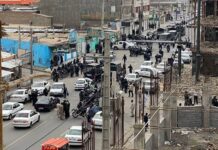
The prolonged closure has incited outrage among investors and brokers, with protests erupting in major trading halls in Tabriz and Isfahan. Brokers in Shiraz joined the protests by shutting down their systems. Despite the market’s closure, turmoil continued with significant losses.
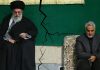
In the aftermath of Raisi’s death, Supreme Leader Ali Khamenei appointed Mohammad Mokhber as the acting president to stabilize the financial situation through intra-government financial transfers. However, political rivalries and factional feuds are expected to hinder Iran’s financial market stability and certainty.

MEK Iran (follow us on Twitter and Facebook), Maryam Rajavi’s on her site, Twitter & Facebook, NCRI (Twitter & Facebook), and People’s Mojahedin Organization of Iran – MEK IRAN – YouTu