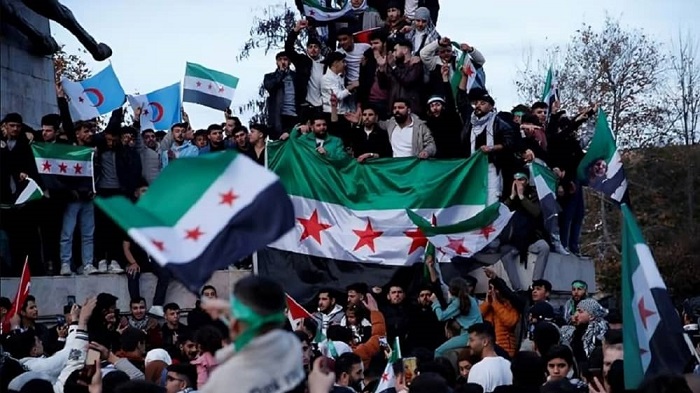
The downfall of a dictator who plunged his nation into brutality is a moment of hope for Syrians and a seismic shift in Middle Eastern geopolitics. While Damascus adjusts to the possibilities of freedom, the ramifications of Assad’s demise resonate deeply in Tehran, where the Iranian regime faces profound strategic losses.
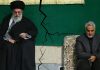
From the onset of Syria’s peaceful protests, Iran’s Supreme Leader Ali Khamenei wagered on Assad’s survival, pouring tens of billions of dollars into sustaining his regime despite Iran’s own economic struggles. Iranian-backed militias, including the Fatemiyoun and Zainabiyoun brigades and the Popular Mobilization Forces, played a critical role in Assad’s war machine. Under the command of Qassem Soleimani, these forces executed a campaign of scorched-earth warfare that left Syrian cities in ruins and civilian lives shattered.
Leaked document exposes #Iranian regime's financial support for #Syria. What are the implications of Billions of dollars squandered to prop up #Assad's regime?https://t.co/z4Ol9DSoHd
— NCRI-FAC (@iran_policy) June 11, 2023
This unwavering support came at an immense cost. Iran’s leadership prioritized Assad’s survival over domestic needs, exemplified by Mehdi Taeb’s infamous declaration in 2013 that Syria’s strategic importance surpassed even Iran’s resource-rich Khuzestan province. Yet, after 13 years of brutal conflict, a relatively small rebel force managed to defeat Assad’s heavily fortified army, toppling one of Iran’s most significant allies and exposing the frailty of its regional ambitions.
The consequences for Tehran are dire. Assad’s fall severs Iran’s critical land corridor to Hezbollah, undermining a key pillar of its geopolitical influence. Decades of investment have been rendered futile, and Khamenei’s vision of “strategic depth” has unraveled. Iranian media outlets reflect the regime’s despair, with headlines lamenting the loss of Syria as the heart of Iran’s regional power. Public discourse has turned critical, with commentators pointing to Assad’s hollow legitimacy and the absence of civilian defenders as stark warnings for Tehran’s own future.
Watch and judge why Iranian state officials are trying to scare off the people and warn that #Iran will become like #Syria if #IranProtests2022 prolong pic.twitter.com/K4jkiMpBaw
— NCRI-FAC (@iran_policy) December 26, 2022
This moment serves as a sobering lesson: no regime, no matter how ruthless, can sustain itself indefinitely on oppression alone. Assad’s demise is not just a geopolitical blow to Iran; it is a mirror reflecting the vulnerabilities of a regime built on injustice. As Tehran faces growing dissent at home, the specter of a Syrian-inspired uprising looms large. The question is not if Iran’s reckoning will come, but when.