In a remarkable display of unity and defiance, protests have surged across Iran in recent days, with workers, activists, and citizens voicing their frustration over economic hardships, environmental neglect, and systemic injustice. The demonstrations highlight the escalating discontent within the country as diverse groups converge to challenge government policies and demand accountability. 
On January 25, over 2,000 contract and outsourced workers in the oil, gas, and petrochemical industries staged a significant protest outside the presidential office in Tehran. Traveling from cities such as Gachsaran and Bandar Imam, they called for fair wages, the elimination of exploitative contractor practices, and direct employment under the Ministry of Oil. Women workers also joined the rally, emphasizing the exploitation they face. Their placards declared: “No more promises; our tables are empty!”
January 25—Arak, central Iran
Residents of Shazand rally in front of the office of the regime MP to protest pollution cause by the burning of Mazut fuel in their region.#IranProtests pic.twitter.com/zOg9bUdukn— People's Mojahedin Organization of Iran (PMOI/MEK) (@Mojahedineng) January 25, 2025
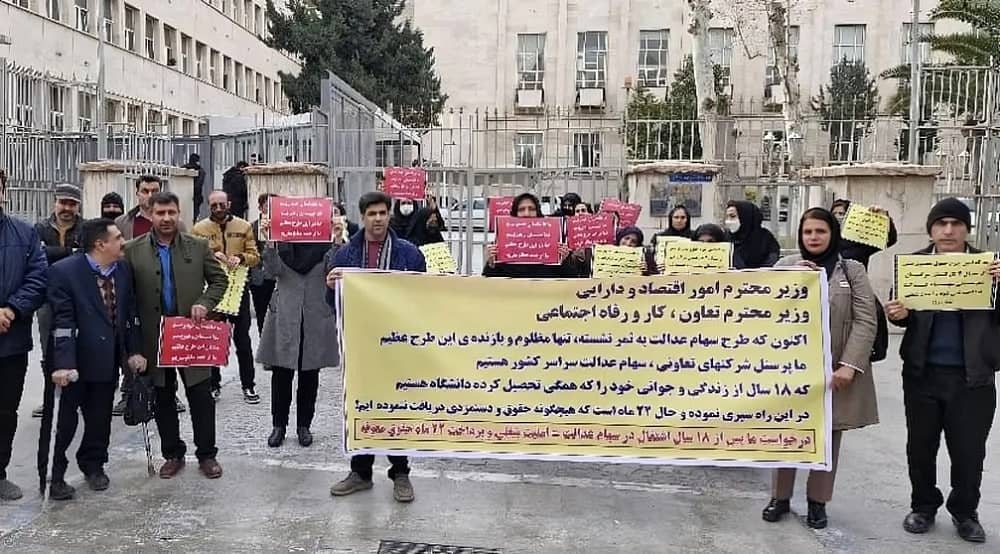
In Tehran, aspiring teachers protested outside the Ministry of Education, alleging systemic errors in examination results that denied them employment. Accusing authorities of hiring 12,000 unqualified individuals instead, they demanded transparency, reinstatement of their scores, and expanded job opportunities.
Elsewhere, environmental issues fueled outrage. In Arak, central Iran, citizens entered their sixth week of protests against air pollution caused by mazut burning at the Shazand power plant. Demonstrators demanded urgent action, chanting, “Clean air is our right!”
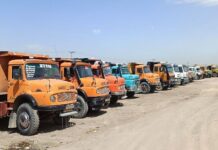
Economic grievances also dominated protests in various regions. In Marivan, unpaid tobacco farmers rallied against the Marivan Tobacco Company, while Shadgan farmers protested water mismanagement that has devastated their crops. Truck drivers from multiple provinces continued strikes at the Parvizkhan Border, citing low freight rates and excessive fines.
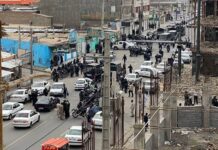
January 25—Tehran, Iran
Applicants of university entrance exams rally in front of the Education Ministry to protest results.#IranProtestspic.twitter.com/xkazi3pMjy— People's Mojahedin Organization of Iran (PMOI/MEK) (@Mojahedineng) January 25, 2025
Public outrage extended to issues of justice and systemic failure. In Bukan, the death of six-year-old Niyan Chalebiani, who suffered months of abuse, sparked protests demanding accountability and child protection reforms. Meanwhile, victims of the Golbaran financial scandal in Dezful called for immediate restitution and an end to corruption.
Emergency medical workers in Birjand protested against poor working conditions, while retirees in Tehran and Eslamshahr rallied for unpaid bonuses and pension adjustments. Commemorations for fallen activists in Tehran further emphasized the regime’s history of suppressing dissent.
PMOI Resistance Units in Zahedan continue anti-regime activities, reiterate commitment to resistance and rejection of all forms of dictatorship.#PMOI #ResistanceUnits pic.twitter.com/ZLmRLlsfwW
— People's Mojahedin Organization of Iran (PMOI/MEK) (@Mojahedineng) January 25, 2025
These protests are part of a broader trend of collective resistance. With over 2,396 demonstrations reported in 2024, Iranians are increasingly standing together to demand justice, equality, and reform amid worsening economic and social conditions. The growing momentum signals a nation determined to confront systemic oppression.

MEK Iran (follow us on Twitter and Facebook), Maryam Rajavi’s on her site, Twitter & Facebook, NCRI (Twitter & Facebook), and People’s Mojahedin Organization of Iran – MEK IRAN – YouTu