While the day was established by human rights organizations 22 years ago, it resonates with deeper meaning in Iran. The Iranian people’s call for “No to Execution” is intrinsically linked to their defiance against the ruling regime, which relies on mass executions for survival.
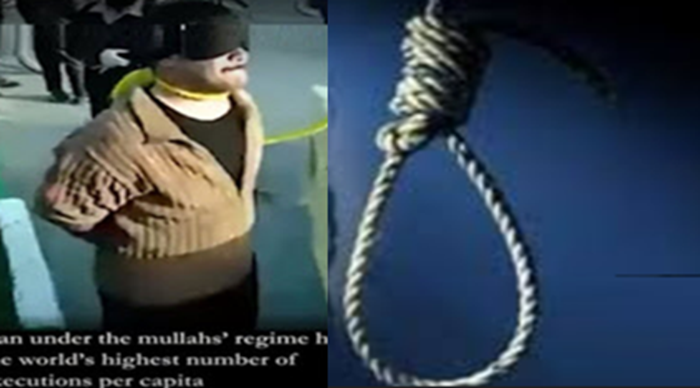
In recent years, Iran has continued its grim tradition of capital punishment at an alarming rate. On the eve of the World Day Against the Death Penalty, the regime executed seven individuals in Karaj and Zahedan. Since Massoud Pezeshkian took office as president in July, the number of executions has risen sharply, with 267 people reportedly hanged. In a chilling response to human rights critics, Pezeshkian mocked those questioning these brutal acts, justifying the punishment of murderers with a dismissive tone.

These prisoners, in a statement, condemned the state for executing 30 individuals, including three women, at the start of October alone. This collective outcry reflects the broader frustration of the Iranian people, who see the executions as part of a larger strategy to suppress public dissent.
International support for the “No to Execution Tuesdays” campaign continues to grow. Human rights organizations, parliaments, and activists from around the globe have joined the movement, amplifying the prisoners’ voices and raising awareness about Iran’s grave human rights violations. Mai Sato, the UN Special Rapporteur on Human Rights in Iran, expressed deep concern over the surge in executions, with over 500 people reportedly hanged in 2024 alone. Sato commended the Iranian people’s courage, noting the significance of the hunger strike campaign in demonstrating their commitment to human rights.
The Iranian Resistance has been advocating for the abolition of the #DeathPenalty for over two decades
In the Resistance's 10 Point Plan for the Future of #Iran I emphasized the critical importance of abolishing capital punishment On the eve of the #WorldDayAgainsttheDeathPenalty… pic.twitter.com/RxHTHdTVKo— Maryam Rajavi (@Maryam_Rajavi) October 10, 2024
A parallel conference held at the European headquarters of the UN in Geneva focused on the escalating wave of executions. Human rights figures, including Antonio Stango, President of the Italian Federation for Human Rights, emphasized the need for international solidarity with the Iranian people. He urged the global community to challenge the Iranian regime’s oppressive tactics.
As the world stands in solidarity on the World Day Against the Death Penalty, the situation in Iran serves as a stark reminder of the ongoing struggle for human rights and justice.

MEK Iran (follow us on Twitter and Facebook), Maryam Rajavi’s on her site, Twitter & Facebook, NCRI (Twitter & Facebook), and People’s Mojahedin Organization of Iran – MEK IRAN – YouTu