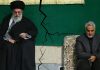
Khamenei, who has overseen a regime marked by massacres, assassinations, and terror, remarkably portrays his governance as a victim of global oppression. This duality is central to his strategy in what he terms the “war in narratives.”
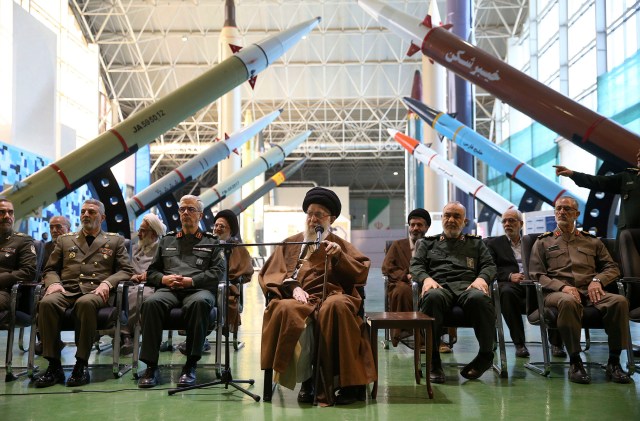
Khamenei, who has overseen a regime marked by massacres, assassinations, and terror, remarkably portrays his governance as a victim of global oppression. This duality is central to his strategy in what he terms the “war in narratives.”
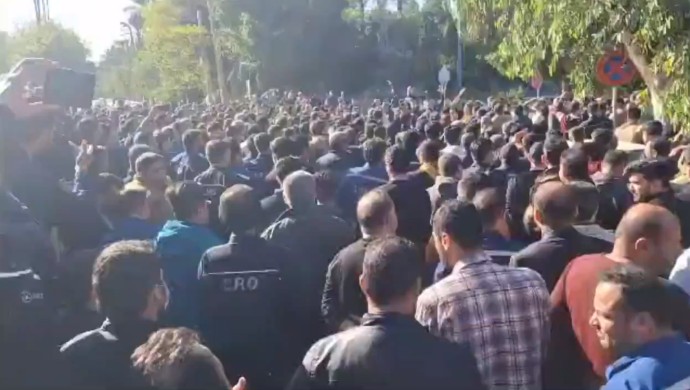
The large rally, held in strategic locations including the Khuzestan Governorate, the Ahvaz Governorate, and the central building of Bank-e Melli, signifies a growing unrest among workers across various sectors in Iran.
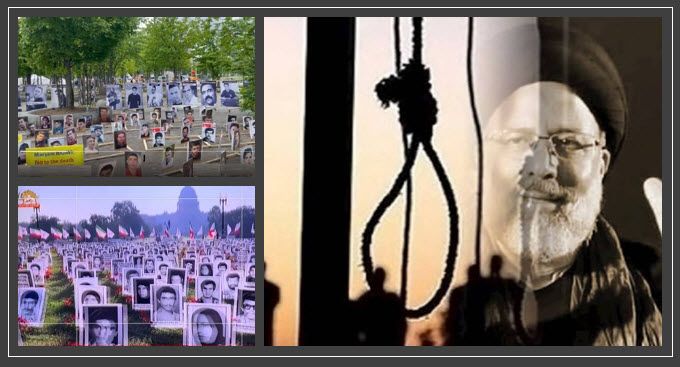
Throughout its history, Iran’s regime has clung to power through a potent mix of suppression and deceit, leveraging religion to enforce its fundamentalist ideology and eliminate opposition. However, this regime’s reliance on deceptive tactics, veiled in the guise of Islam, is showing signs of diminishing effectiveness.

Mohammad Raiszadeh, the head of Iran’s Medical Council, recently announced a consequential 46% increase in the tariff for medical services, approved by the Supreme Council of Insurance, amidst these growing difficulties.
This alarming trend of capital punishments is part of Iran’s broader strategy to quell dissent across the nation, which has seen an unprecedented rise in executions, culminating in over 850 in 2023 and a further spike in early 2024.
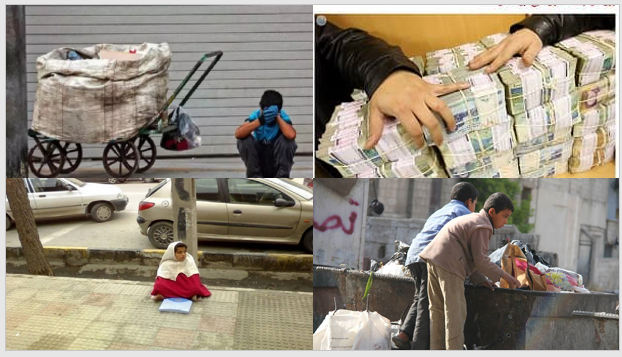
A striking example of these hardships is the escalating crisis in food supplies, particularly affecting the poor and low-income population. Despite their tireless efforts, working multiple shifts in various jobs, Iranian families find themselves struggling to afford even the most basic food items.

Ghobadlou’s execution, linked to his participation in anti-regime protests, has drawn widespread international condemnation.
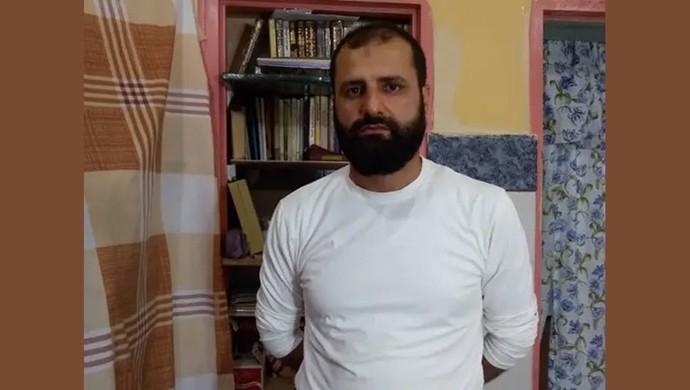
This execution, underscoring the regime’s relentless clampdown on dissent, follows a pattern of judicial actions widely condemned by international human rights organizations.
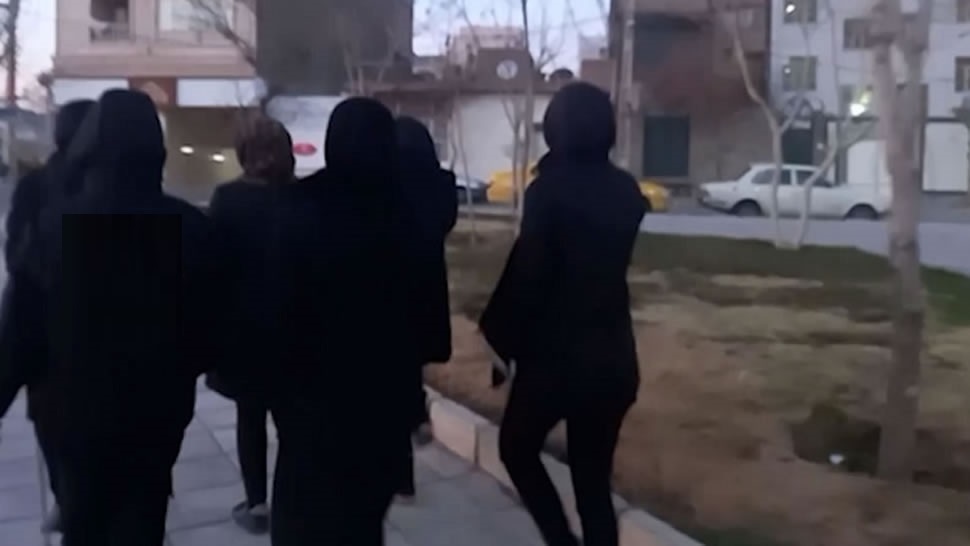
Concerns are mounting over a potential mass boycott, which threatens to embarrass the government on a global stage. The regime has activated its extensive propaganda machinery in a desperate bid to avert what seems to be an inevitable humiliating outcome. Officials from various factions, previously marginalized by Khamenei, are now unifying their efforts to uphold the mullahs’ rule.
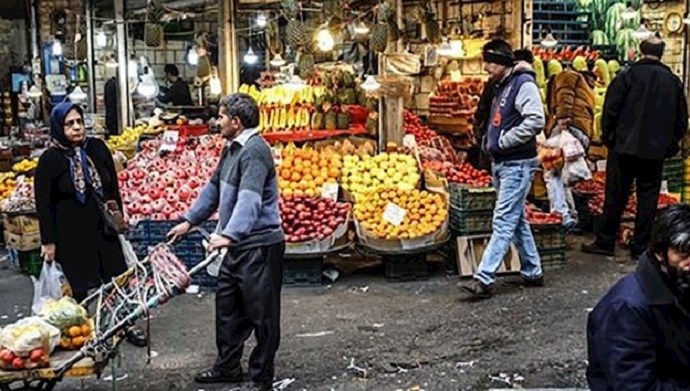
What appears to be a simple choice of words, however, masks a deeper reality of economic mismanagement and crisis. The term “imbalance,” borrowed from accounting and now applied to Iran’s macroeconomic situation, is used to explain away a range of economic issues, from budget deficits to bank embezzlements and the dysfunction of financial systems.