Home Blog Page 8

Protests Erupt Across Iran as Citizens Voice Economic and Environmental Grievances

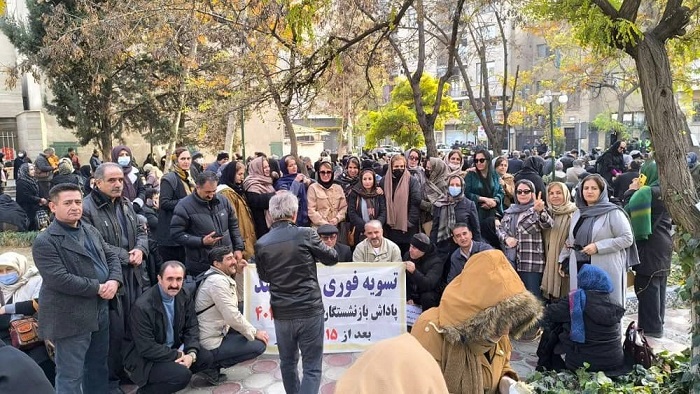
Iran witnessed a wave of protests on Monday, December 2, 2024, as diverse groups across multiple provinces expressed their discontent with the government’s handling of economic, environmental, and administrative issues.


Iran witnessed a wave of protests on Monday, December 2, 2024, as diverse groups across multiple provinces expressed their discontent with the government’s handling of economic, environmental, and administrative issues.

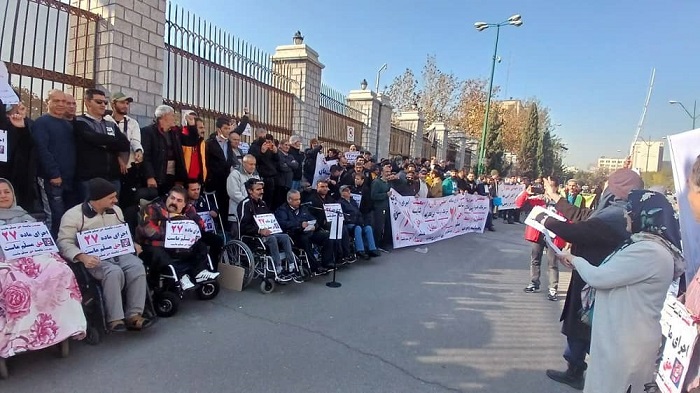
The demonstrations, involving retirees, environmental activists, and laid-off workers, underscore a growing dissatisfaction among various segments of the population. In central Iran’s Isfahan, retirees from the Telecommunications Company of Iran (TCI) gathered to demand overdue pensions and enforce long-neglected rights.
Maryam Rajavi’s Vision: A Democratic Iran and Regional Stability

Maryam Rajavi
Maryam Rajavi


Maryam Rajavi

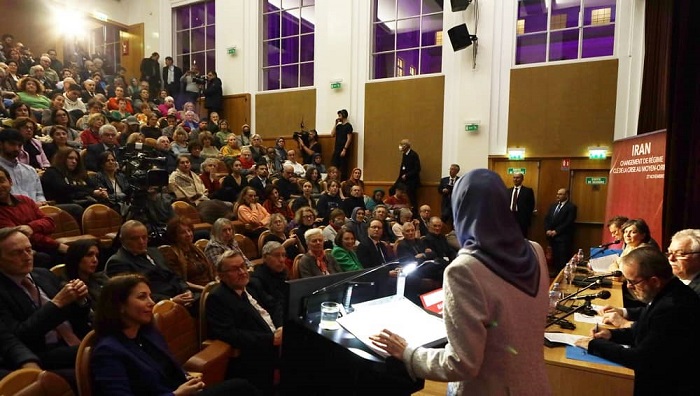
In a recent address in France, Maryam Rajavi, the President-elect of the National Council of Resistance of Iran (NCRI), outlined a bold and comprehensive plan to resolve the crises plaguing Iran and the broader Middle East. Her speech, titled “The Path to Ending the Mullahs’ Warmongering and Terrorism,” provided a roadmap to achieve peace and democracy, emphasizing the essential role of the Iranian people and their organized resistance.

Internal Struggles Emerge Over Iran’s Controversial Hijab Law

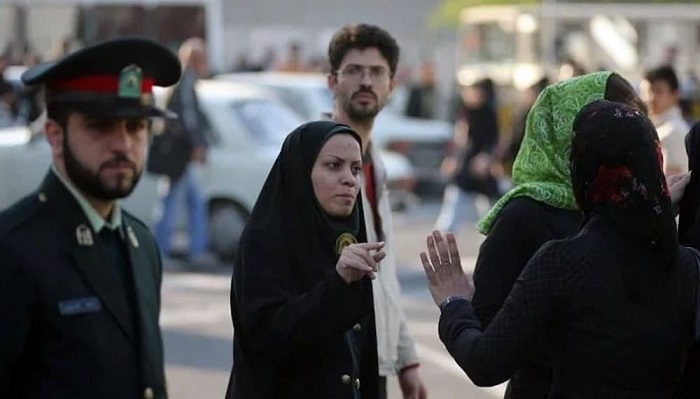
The clerical regime in Iran is embroiled in a heated internal conflict over the contentious new hijab law, with factions deeply divided on its implications for stability and governance.


The clerical regime in Iran is embroiled in a heated internal conflict over the contentious new hijab law, with factions deeply divided on its implications for stability and governance.

The “Law for Supporting Families by Promoting the Culture of Chastity and Hijab” has sparked fierce debate within the regime’s leadership, reflecting their shared concerns about survival and differing strategies for maintaining control.

Iranian Financial Support to Hezbollah Sparks Controversy Amid Economic Struggles

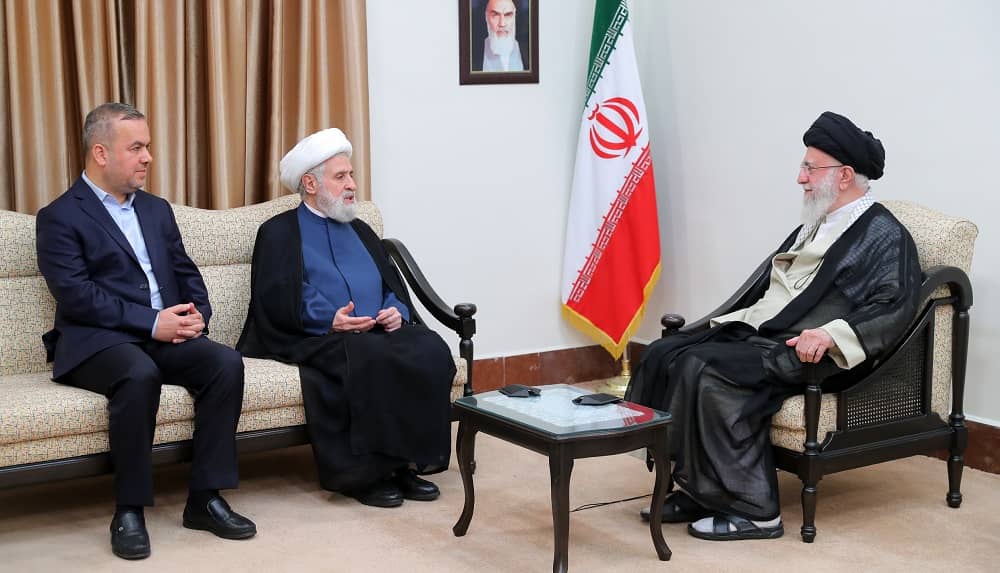
In a recent televised address, Sheikh Naim Qassem, the new Secretary-General of Hezbollah, confirmed significant financial backing from Iran, highlighting the deep-rooted alliance between the Lebanese militant group and Tehran’s clerical regime.


In a recent televised address, Sheikh Naim Qassem, the new Secretary-General of Hezbollah, confirmed significant financial backing from Iran, highlighting the deep-rooted alliance between the Lebanese militant group and Tehran’s clerical regime.

Sheikh Qassem expressed gratitude to Supreme Leader Ayatollah Ali Khamenei, the Islamic Revolutionary Guard Corps (IRGC), and the government of Massoud Pezeshkian for their “generous contributions,” revealing that $77 million has been allocated to aid over 172,000 Lebanese families impacted by Israeli airstrikes.

Defiant Voices: Iranian Political Prisoners Condemn Executions and Rally for Justice

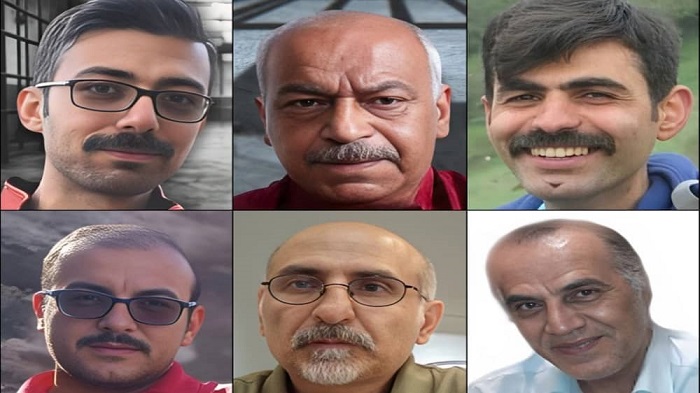
Five Iranian political prisoners facing death sentences have released a bold statement challenging the regime's use of executions to suppress dissent.


Five Iranian political prisoners facing death sentences have released a bold statement challenging the regime's use of executions to suppress dissent.

As supporters of the People’s Mojahedin Organization of Iran (PMOI/MEK), they have transformed their death sentences into a rallying cry for justice and freedom. Meanwhile, Mohammad Taghavi, a sixth prisoner, has been transferred to Ward 209 of Evin Prison, with no information available about his condition or location. Taghavi, a survivor of the 1988 massacre, was moved after rejecting the legitimacy of his trial and refusing to participate in it.

Iran’s “Chastity and Hijab” Law Sparks Outrage and Calls for Resistance

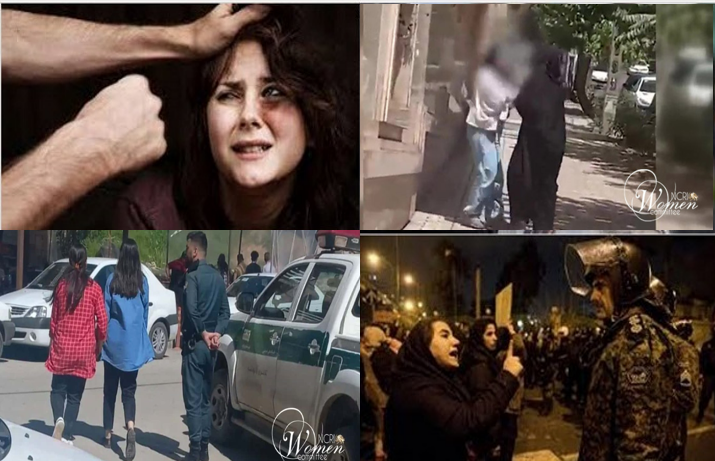
Iran’s government has enacted the controversial “Chastity and Hijab” law, intensifying crackdowns on women and girls.


Passed after months of deliberations between the Iranian Parliament and the Guardian Council, the law was officially published on November 30, 2024, and will take effect on December 13. Critics, including the National Council of Resistance of Iran (NCRI), have condemned the legislation as an egregious assault on women’s rights, urging collective opposition under the slogan, “Woman, Resistance, Freedom.”

Thousands of Retired Teachers Protest in Tehran Over Pensions and Inequality

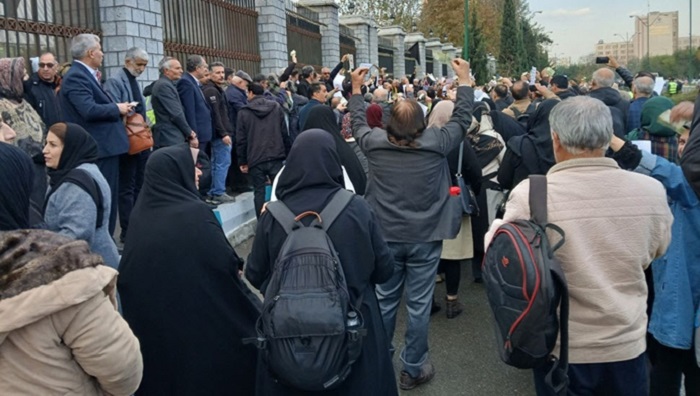
On November 20, Tehran witnessed a powerful demonstration as approximately 7,000 retired teachers gathered in front of the Iranian regime’s parliament to demand justice.


On November 20, Tehran witnessed a powerful demonstration as approximately 7,000 retired teachers gathered in front of the Iranian regime’s parliament to demand justice.

The protest focused on the partial and unjust implementation of the Teacher Classification Law, which excluded 90% of classification perks from their retirement pensions. This omission, protesters argued, has drastically reduced their pensions, leaving them far below the official poverty line. 

Iran’s Clerical Regime Faces Mounting Internal and Regional Pressures

The clerical regime in Iran is navigating a growing storm of crises, marked by intensifying internal discord and escalating regional conflicts.

The clerical regime in Iran is navigating a growing storm of crises, marked by intensifying internal discord and escalating regional conflicts.


Recent developments in Syria, coupled with the looming possibility of renewed international sanctions, have heightened fears of both economic collapse and social upheaval.

Protests Erupt Across Iran Over Economic Hardships and Government Corruption

Widespread protests unfolded across Iran on Sunday, December 1, 2024, as citizens from diverse sectors voiced grievances over unpaid wages, insufficient pensions, government corruption, and systemic injustice.


Widespread protests unfolded across Iran on Sunday, December 1, 2024, as citizens from diverse sectors voiced grievances over unpaid wages, insufficient pensions, government corruption, and systemic injustice.

The demonstrations, spanning multiple provinces, highlighted growing discontent with the regime’s inability to address the country’s pressing economic and social challenges. In Shahrekord, western Iran, frustrated customers of the state-run Bonyad-e Maskan housing company staged a dramatic protest by throwing mud at provincial offices. Wielding banners accusing the company of corruption and theft, they demanded justice for the long-delayed delivery of their homes.