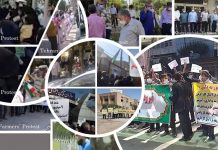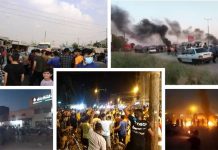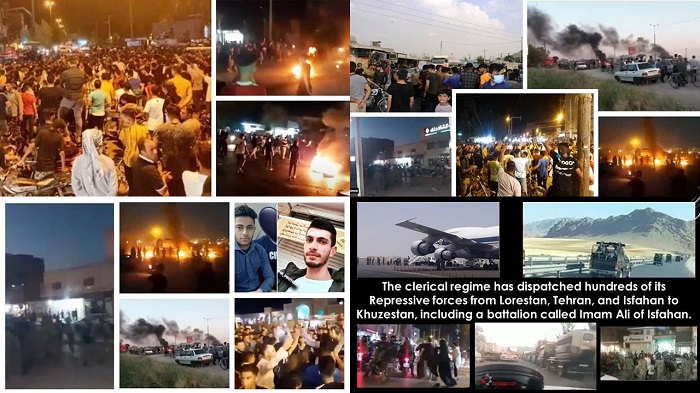
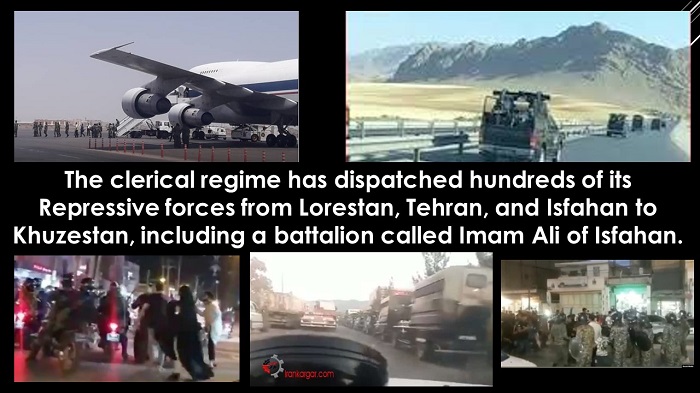
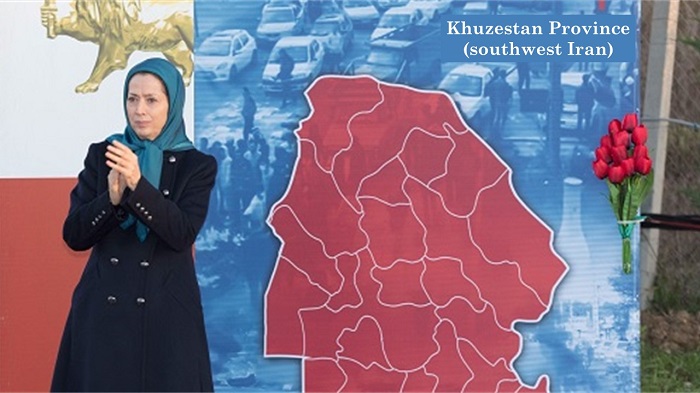
Throughout the first two weeks after protests erupted in the Iranian province of Khuzestan over water scarcity, there have been reports of military convoys approaching regions of disturbance.
Opened fire on protesters
Officials have opened fire on groups of protesters with live ammunition. These reports have emerged gradually as a result of extensive and long-lasting internet blackouts aimed to impede the flow of information regarding government crackdowns and protests itself.
Government-linked damming projects
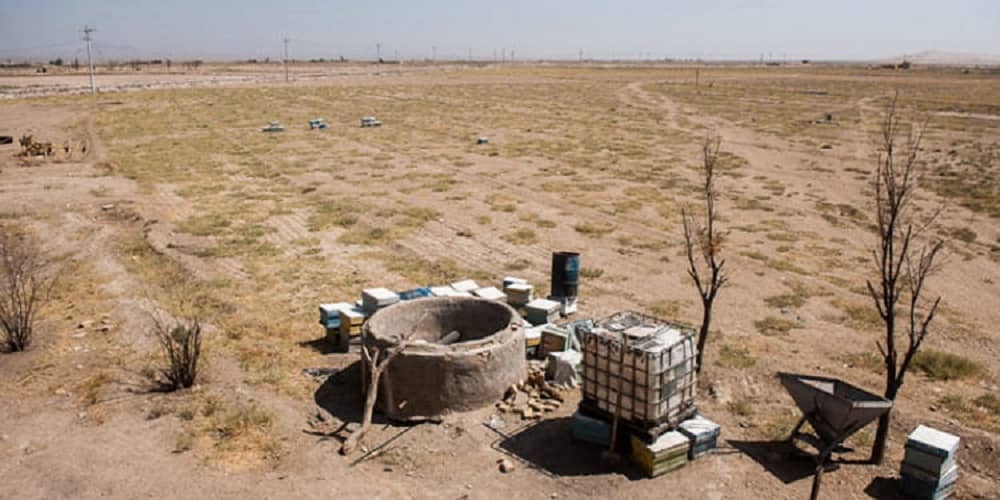
The drought in Khuzestan was aggravated by government-linked damming projects, which accelerated the drying of important streams and limited the supply of water for both agriculture and human consumption.
It is claimed that almost a quarter of Iran’s 83 million population is already impacted by comparable shortages and that the figure could easily rise if the issue is not addressed in the aftermath of the protests.
Dozen people were slain in the crackdowns
According to the National Council of Resistance of Iran (NCRI), and the People’s Mujahedin of Iran (PMOI / MEK Iran), at least a dozen people were slain in the crackdowns. As per reports from the major pro-democracy opposition party, the figure will rise as more information becomes available.
Iranian Resistance leader Maryam Rajavi tweeted on Monday: “Hail to the defiant youths in Tehran,” she wrote, crediting them with sounding the “death knell” of the theocratic system by their courageous activism. “The Iranian people’s firm resolve to establish democracy and national sovereignty is reflected in the young protesters in Tehran.”
Iran has been rattled by a series of uprising
In recent years, as Iran has been rattled by a series of upheavals and allied protest movements, this resolve has perhaps found its most significant expressions.
The first nationwide uprising broke out in the last days of 2017 and lasted for most of the next month. A similar uprising in November 2019 surpassed that magnitude, prompting Iranian authorities to engage in some of the bloodiest crackdowns in decades.
1,500 people were slaughtered in 2019
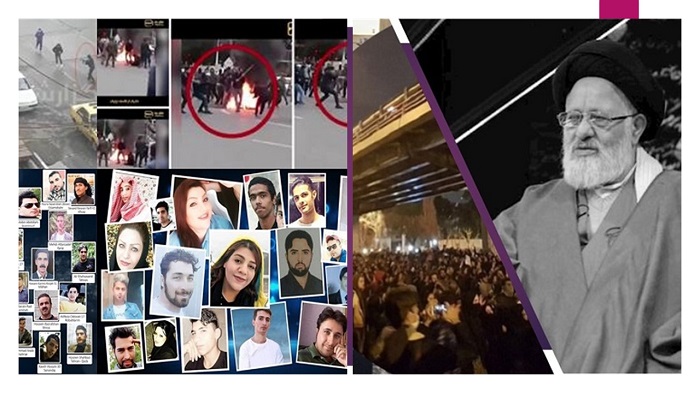
Within days of the second uprising erupted, more than 1,500 people were slaughtered, and more than 12,000 people were arrested. Many of them were tortured for months, and while the torture was still going on, protests erupted in at least a dozen Iranian districts in January 2020.
Reuters confirmed in a special report on December 23, 2019, about the deadly crackdown on November nationwide protests in Iran the death toll of 1500 that was announced by the People’s Mojahedin Organization of Iran (PMOI) on December 15, 2019.
Regime officials concerns about MEK influence
Although the coronavirus outbreak prevented nationwide protests from continuing, several Iranian officials have continued to raise concerns about MEK influence and popular unrest ever since. The recent and ongoing protests in Khuzestan are the latest example of how well-founded those concerns are.
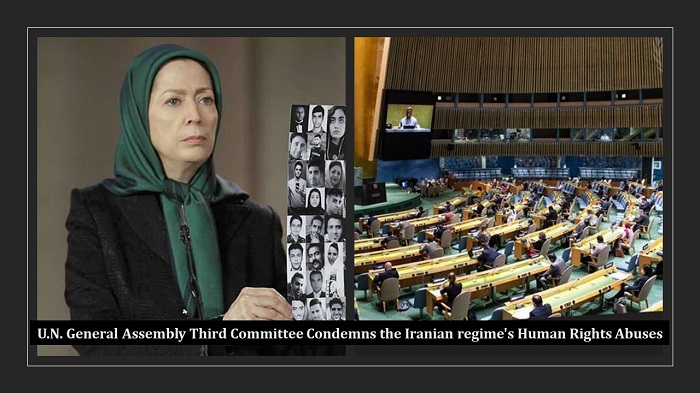
The National Council of Resistance of Iran (NCRI), and the People’s Mujahedin of Iran (PMOI / MEK Iran), issued a statement on Sunday calling attention to early reports of fatal shooting incidents and urging “the United Nations Secretary-General, the UN Security Council, the European Union, and its member states to condemn these crimes against humanity” and take steps which should lead to prosecution or similar accountability for leaders of the Islamic Republic who have contributed to similar crimes throughout the regime’s history.
Iranian people want regime change
The major issue in Iran is the regime itself, as the Iranian people have shown in their slogans, and the only solution to Iran’s problems is a regime change by the Iranian people and their legitimate resistance. This fact should be recognized by the international community, which must increase pressure on the regime.

MEK Iran (follow us on Twitter and Facebook)
and People’s Mojahedin Organization of Iran – MEK IRAN – YouTube