Despite Supreme Leader Ali Khamenei’s efforts to quell dissent with aggressive regional posturing, the cries of the populace grow louder, echoing through the streets with undiminished fervor.

Despite Supreme Leader Ali Khamenei’s efforts to quell dissent with aggressive regional posturing, the cries of the populace grow louder, echoing through the streets with undiminished fervor.

However, these institutions are often at odds, presenting divergent economic statistics and justifications. This inconsistency has become a tool for the regime to justify its economic challenges, leading to public confusion and a growing reliance on external sources for economic data.

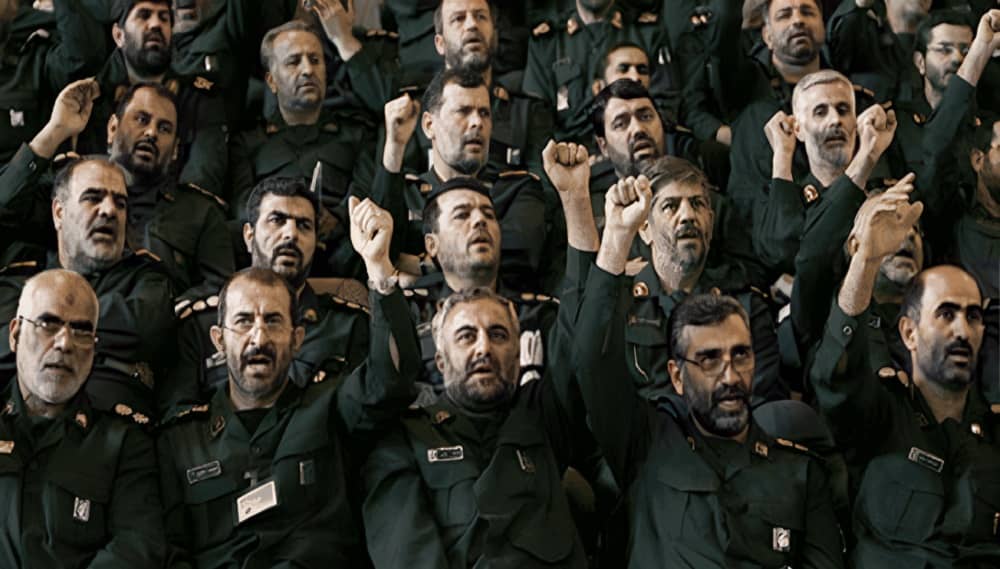
The initial reports of Mousavi’s death sparked widespread joy among Iranians, exposing a societal sentiment that challenges the regime’s military-security narrative.
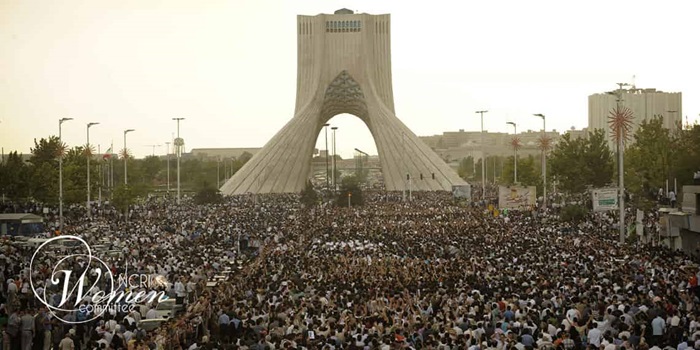
The 2009 protests in Iran were sparked by the manipulated results of the 10th round of presidential elections declared on June 12, 2009.
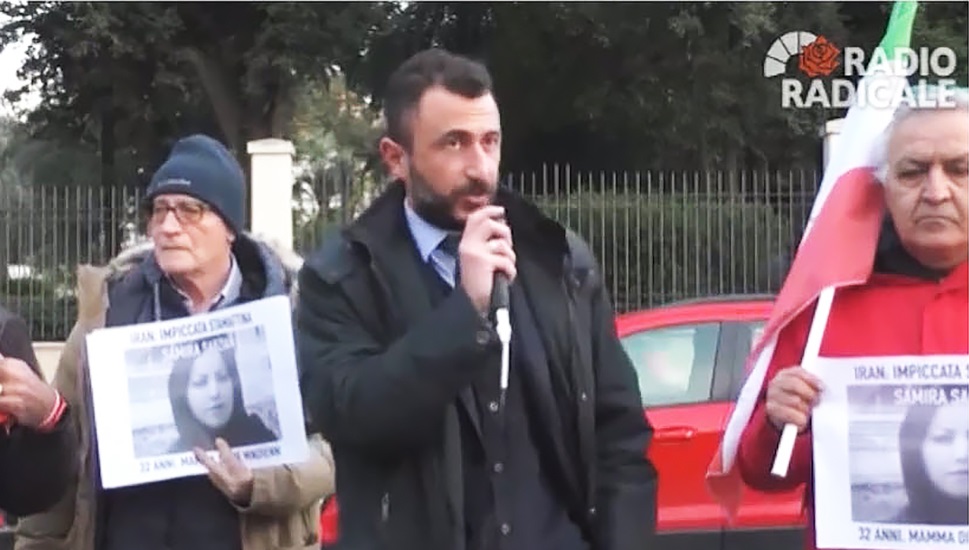
In this protest demonstration, Emanuele Pozzolo, a member of the Italian Parliament’s Foreign Committee, Ms. Elisabetta Zamparutti, an official of the “Don’t Touch Cain” Association, and Ms. Anna Cinzia Bonfrisco, a member of the European Parliament from Italy, participated and spoke.
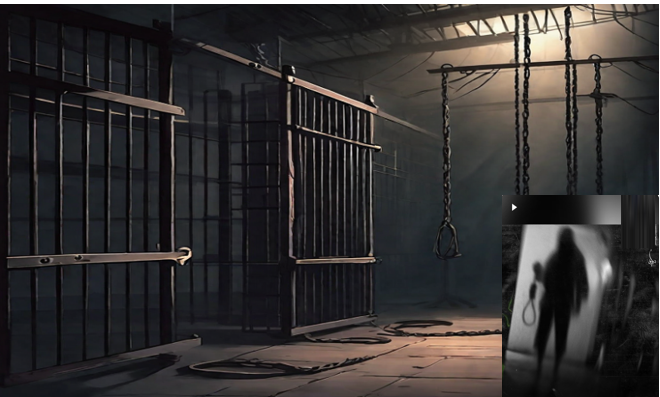
The tally of criminal executions has, for the second consecutive month, surpassed 100, signaling a deeply troubling trend that demands immediate attention.
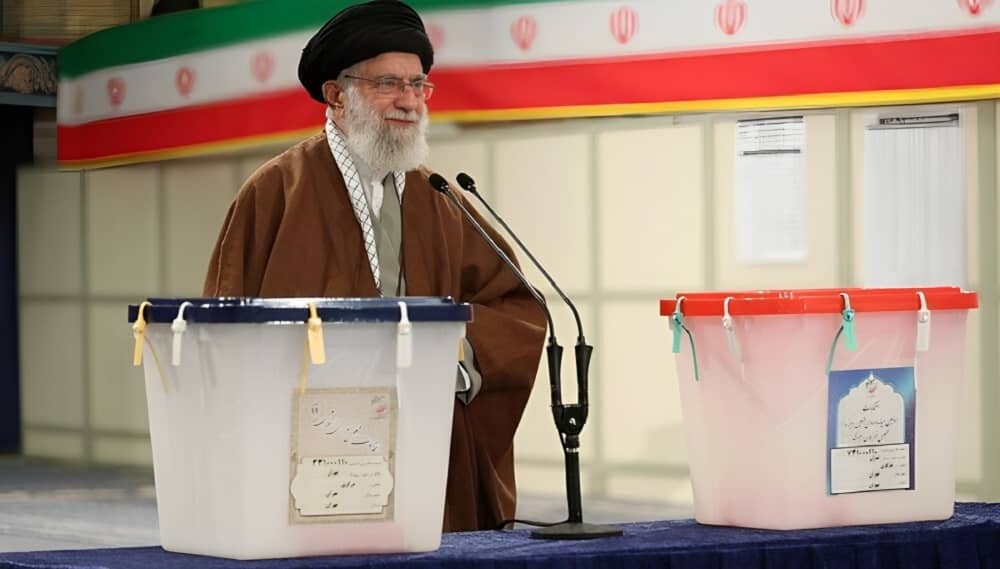
Despite his assertions, observers have discerned Khamenei’s preparations for an extensive purge of the parliament, raising questions about the upcoming parliamentary elections scheduled for March 1, 2024.
The plant manager’s subsequent mass dismissal of 13 workers further underscores the oppressive environment faced by laborers, revealing a pattern of disregard for workers’ rights.
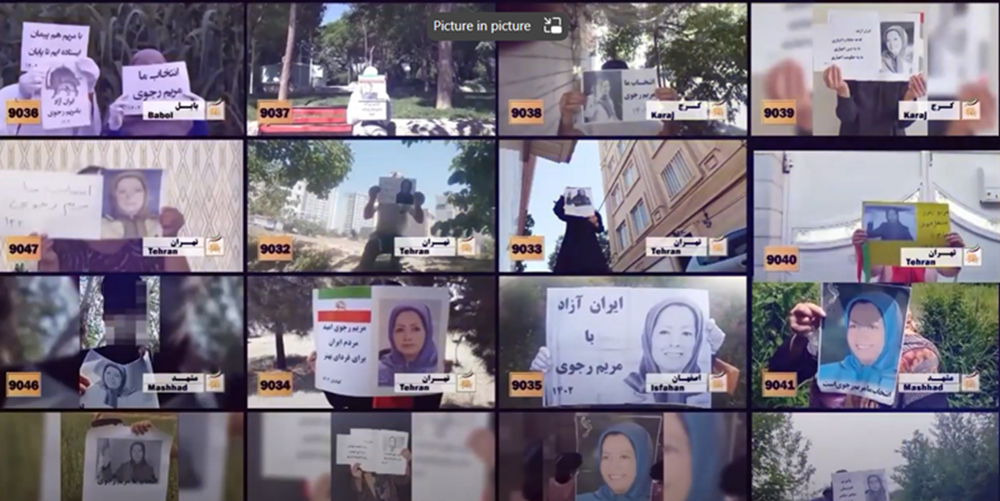
Iran’s regime, increasingly alarmed by the growing influence and activities of the Iranian Resistance, has intensified its crackdown on dissidents, particularly targeting those associated with the People’s Mojahedin of Iran (PMOI/MEK).