Home Blog Page 64

Iran’s financial crisis: Systematic exploitation and decline

For years, the Iranian regime has thrived on the nation's assets, peddling them off to limited markets, often at insultingly low prices. When the wealth of a country becomes the plaything of a few unaccountable individuals, exploitation is inevitable.


Iranian-made goods, once a source of pride, are now sold for a fraction of their worth, often to the regime’s sponsors. An October 14 report by Donya-eqtesad revealed startling numbers. A comparative look at the value of non-oil exports over the last two decades revealed a sharp decline in the global standing of the “Made in Iran” brand. In 2008, Iranian products fetched $551 per ton, but this figure plummeted to $356 per ton in 2023 – a significant drop in both fixed and current prices.
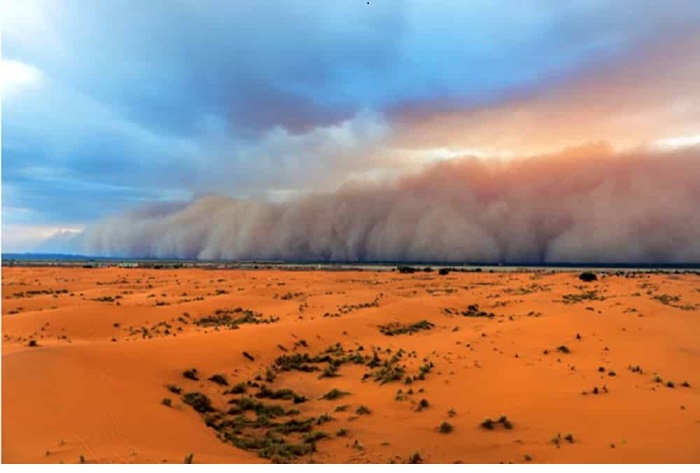
Iran: The environmental and socioeconomic impact of migrating sand dunes

Iran, a nation known for its rich history and diverse landscapes, is home to some of the world's most mesmerizing deserts.


Covering 907,293 km^2, deserts dominate approximately one-fifth of the country’s total land area. Yet, hidden beneath the allure of these vast stretches of sand lies a potent threat to both the environment and its inhabitants: the movement of sand dunes.

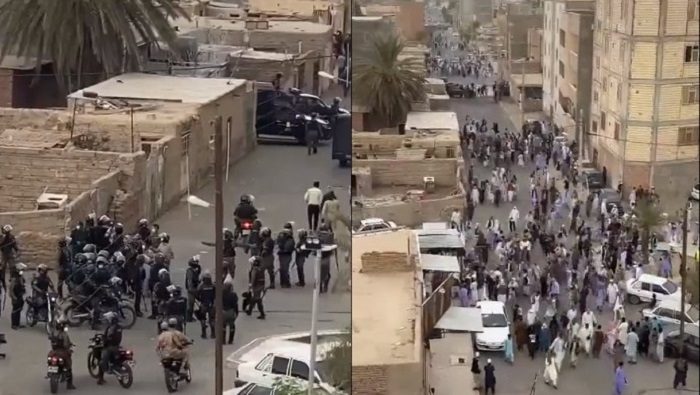
Zahedan protesters defiant in the face of regime repression

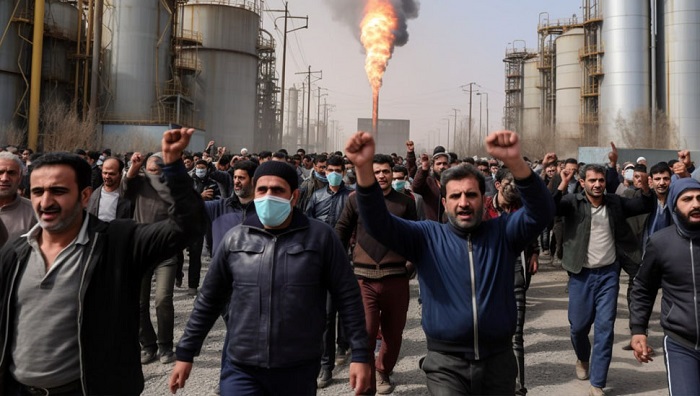
Zahedan, a city in Iran’s Sistan and Baluchestan province, became the focal point of resistance and defiance today.


The Baluch inhabitants of Zahedan courageously staged protest rallies, chanting slogans that rebuked the Iranian regime and its leader, Ali Khamenei, despite severe preventative measures put in place by the authorities.

Controversial ‘Ekbatan Town’ case: Quest for justice amidst coercion and allegations

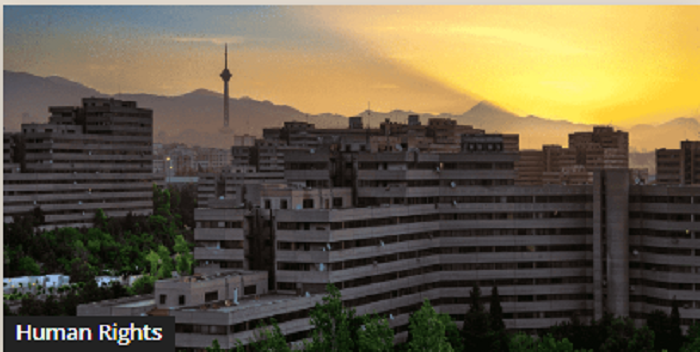
In a twist of political and judicial intrigue, Iran finds itself in the global spotlight due to the 'Ekbatan town' case.

In a twist of political and judicial intrigue, Iran finds itself in the global spotlight due to the 'Ekbatan town' case.


At its core, eight individuals stand accused, with Milad Armun, Alireza Kafaei, and Mohammad Mehdi Hosseini among those facing potential death penalties for charges including ‘combat with cold weapons.’

Mass dismissals at Azad University reflect broader political purge in Iran’s academia

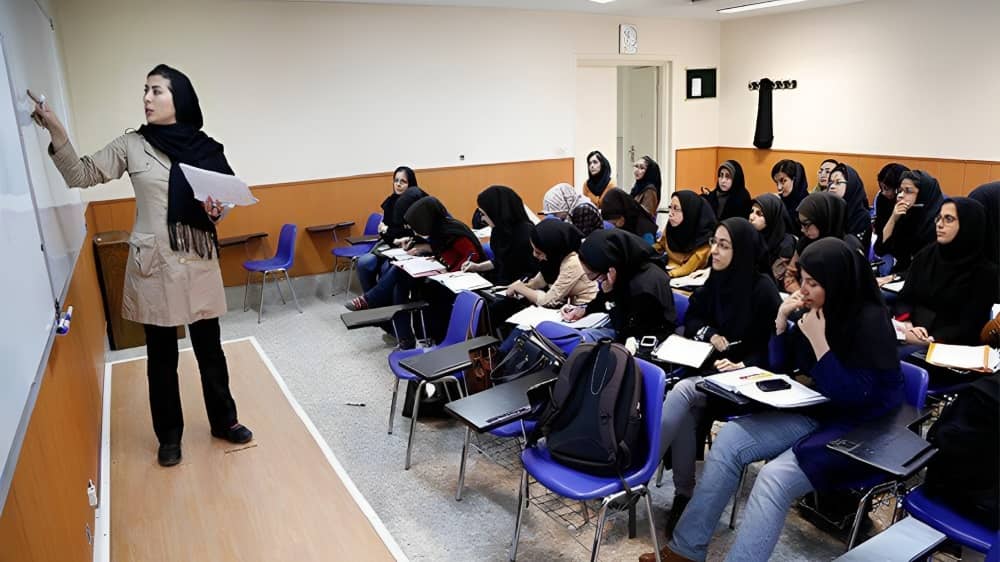
In a surprising decision by Mehdi Tehranchi, the president of Azad University in Iran, 32,000 associate professors have been let go, beginning September 23 of this academic year.


This substantial removal of seasoned educators was disclosed by the state-run “Etemad” newspaper on October 12.To fill the sudden void in faculty, the university has introduced 20,000 doctoral students who are currently in their early semesters at Azad. These students, after completing a 40-hour educational program termed “Schooling,” have taken on teaching roles. In return, they’re anticipated to receive scholarships and a deduction in their tuition fees.

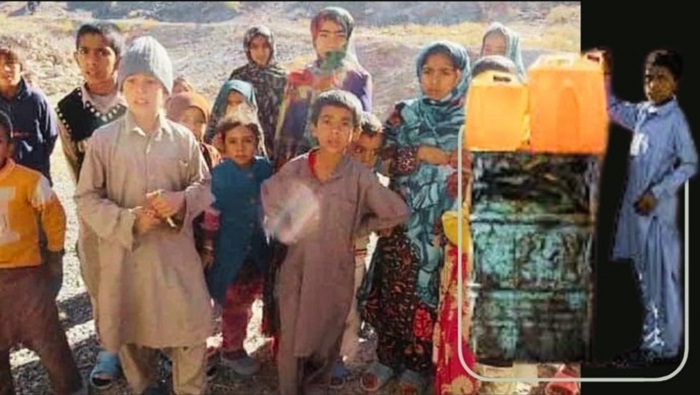
Iran: Sistan and Baluchestan’s stand against oppression

In the landscape of Iranian resistance, Sistan and Baluchestan province emerges as a beacon of defiance against the dictatorial rule of the mullahs.

In the landscape of Iranian resistance, Sistan and Baluchestan province emerges as a beacon of defiance against the dictatorial rule of the mullahs.


Repeated demonstrations, most notably on Fridays, have cemented its reputation as a province that vehemently opposes the regime’s oppression.

Dwindling purchasing power pushes Iranian workers to seek secondary employment

The prevailing economic situation in Iran has forced a majority of its workers into dire straits. Hadi Aboui, Secretary General of the Supreme Center of Iranian Workers’ Trade Unions, has shone a light on a concerning reality: a staggering 70% of workers now seek secondary employment due to their rapidly diminishing purchasing power.


The prevailing economic situation in Iran has forced a majority of its workers into dire straits. Hadi Aboui, Secretary General of the Supreme Center of Iranian Workers’ Trade Unions, has shone a light on a concerning reality: a staggering 70% of workers now seek secondary employment due to their rapidly diminishing purchasing power.

The prevailing economic situation in Iran has forced a majority of its workers into dire straits. Hadi Aboui, Secretary General of the Supreme Center of Iranian Workers’ Trade Unions, has shone a light on a concerning reality: a staggering 70% of workers now seek secondary employment due to their rapidly diminishing purchasing power.A multitude of reports have repeatedly underscored the declining ability of workers to afford basic necessities. This decline is accentuated by the country’s soaring inflation and escalating cost of living. The ILNA news agency highlighted in early October that the basic subsistence basket in many provinces reached 22 million tomans, while most salaries lagged, hovering around a meager 9 million tomans.

Welsh Parliament conference amplifies support for democratic reforms in Iran

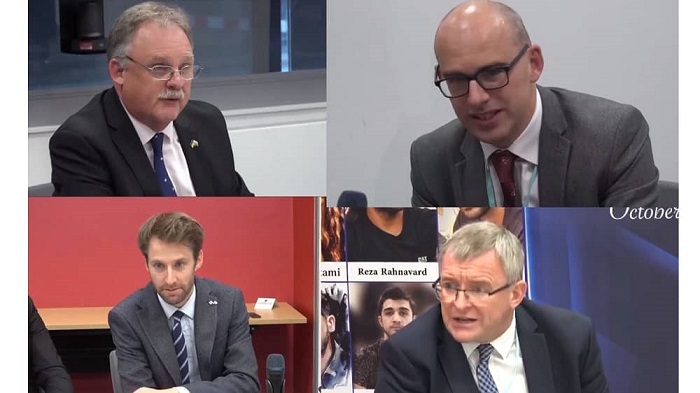
On October 11, in commemoration of the World Day Against Death Penalty, the Welsh Parliament held a significant conference spotlighting Iran's human rights situation.
On October 11, in commemoration of the World Day Against Death Penalty, the Welsh Parliament held a significant conference spotlighting Iran’s human rights situation.


The event saw the participation of parliamentarians and representatives from the Iranian diaspora in the UK. The core objective: to bolster backing for the intensifying uprising in Iran and advocate for the inception of a democratic republic.

Iran’s micro-homes: A desperate measure in a deepening housing crisis?

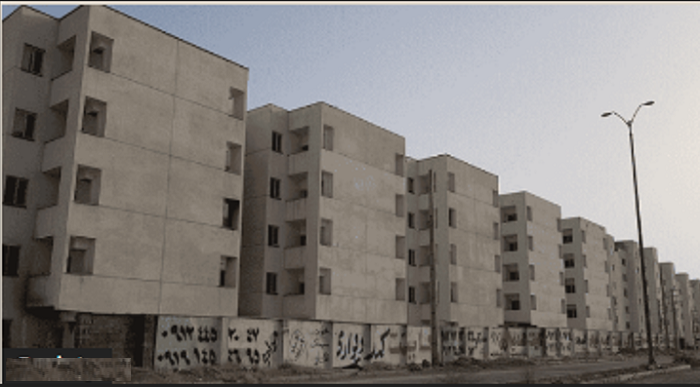
In a surprising turn of events, Khashayar Bagherpour, CEO of Tehran Construction Cooperative Union, recently announced the Ministry of Roads and Urban Development's full backing of the construction of 25-square meter houses.

In a surprising turn of events, Khashayar Bagherpour, CEO of Tehran Construction Cooperative Union, recently announced the Ministry of Roads and Urban Development's full backing of the construction of 25-square meter houses.


This comes less than two months after the Ministry issued a statement dismissing any official endorsement for the project.

Marzieh’s legacy of artistry and activism

Ashraf Os-Sadat Marzieh, born on March 22, 1924, in Tehran, and passing away on October 13, 2010, was not just a singer. She was a force, a symbol of resistance, and a beacon of hope for a nation striving for artistic and gender equality in a rapidly changing landscape.


Embracing the arts from a young age, thanks to the encouragement of her family, Marzieh made a mark in the world of Persian music at a time when female voices were often silenced. Despite societal constraints, she was an early advocate for the importance of formal training in music, spending years studying classical theory before launching her illustrious career in the early 1940s.