This uprising, which began with the tragic death of Zhina Amini (Mahsa), stands as a symbol of the Iranian people’s resilience and their unequivocal rejection of authoritarian rule, be it the Shah’s regime or the current clerical rule.

This uprising, which began with the tragic death of Zhina Amini (Mahsa), stands as a symbol of the Iranian people’s resilience and their unequivocal rejection of authoritarian rule, be it the Shah’s regime or the current clerical rule.

Central to this discourse is the perspective of Mohammad Reza Tajik, former head of the Presidential Strategic Research Center.

This move followed allegations that hackers accessed and auctioned off 115 million data records, compromising the private information of many.
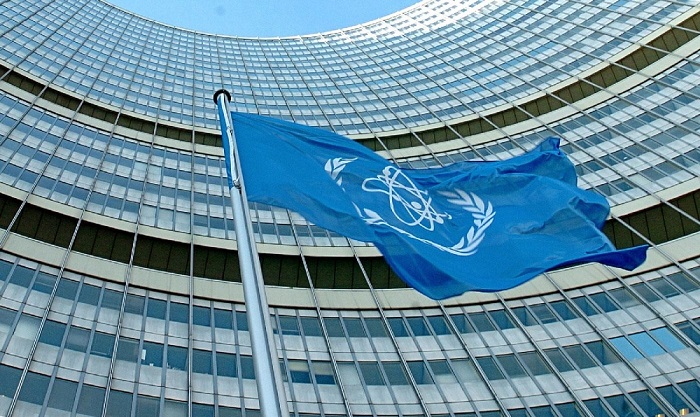
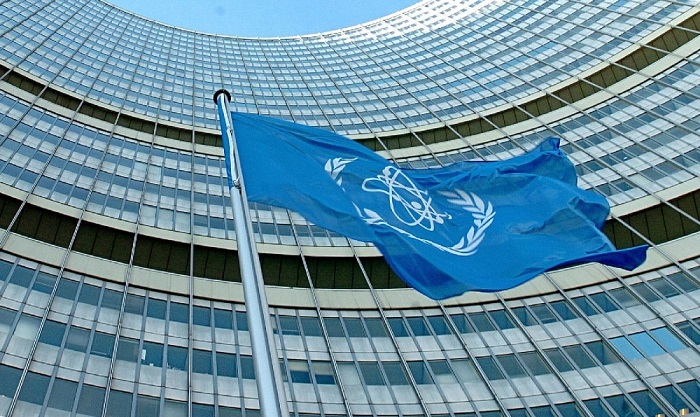
In the ever-twisting saga of Iran’s nuclear aspirations, the latest act reveals Tehran’s new card – the “September Document.” Spearheaded by Hossein Amir-Abdollahian, Iran’s Foreign Minister, this document has been proposed as a significant turning point in the fraught negotiations surrounding Iran’s nuclear ambitions.

With nearly six decades under its belt, PMOI has shown resilience and undying spirit against the tyrannical onslaughts from both the Shah and the mullahs.

In a recent development, Fereydoon Abbasi, a member of the Majlis (Parliament), proposed the establishment of a “national data center.” Tabnak newspaper reported on August 21 that Abbasi believes “security, commercial and economic data should not be transparent and we should have a national data center that decides what figures can be published.”

Renowned for his esteemed role as a former National Security Council staff member under US President Ronald Reagan and an esteemed professor of political science at Georgetown University, Professor Raymond Tanter was much more than his official titles suggest.

In a recent address during the “Week of the Government”, the country’s Supreme Leader, Ali Khamenei, showered praise on the performance of President Ebrahim Raisi.
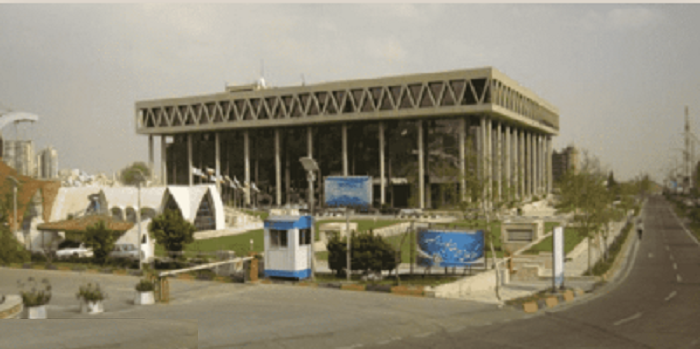
Its once-robust audience has now dwindled to alarming levels. This sentiment was echoed by the state-run newspaper, Etemad, which declared the network as currently having no “audience.”
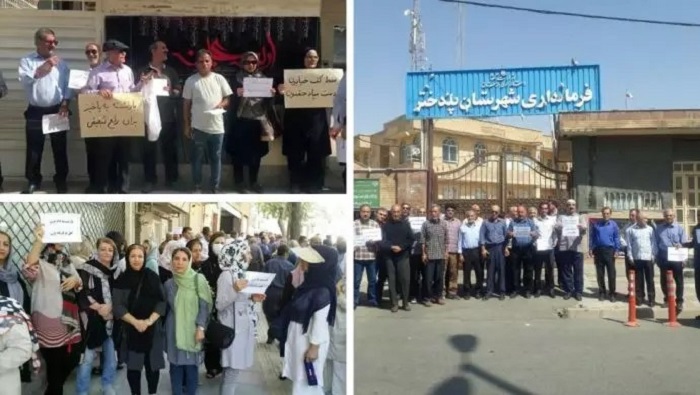
Demonstrations erupted in dozens of cities as the elderly voiced their concerns about the deteriorating quality of life and the current regime’s policies that have exacerbated their plight.