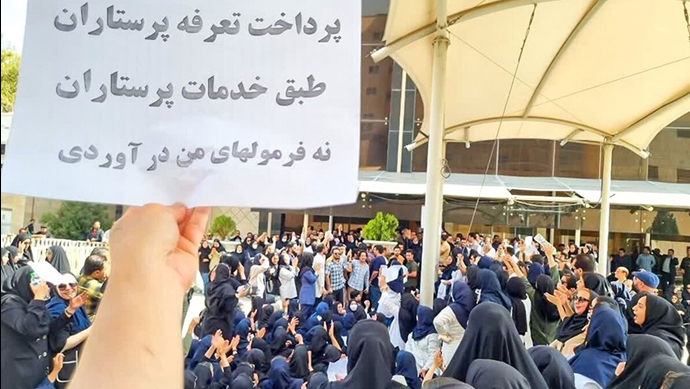
While regime factions jostle for power, various social groups have taken to the streets, expressing their disillusionment with the government’s failure to address economic hardships and social injustices.
While regime factions jostle for power, various social groups have taken to the streets, expressing their disillusionment with the government’s failure to address economic hardships and social injustices.
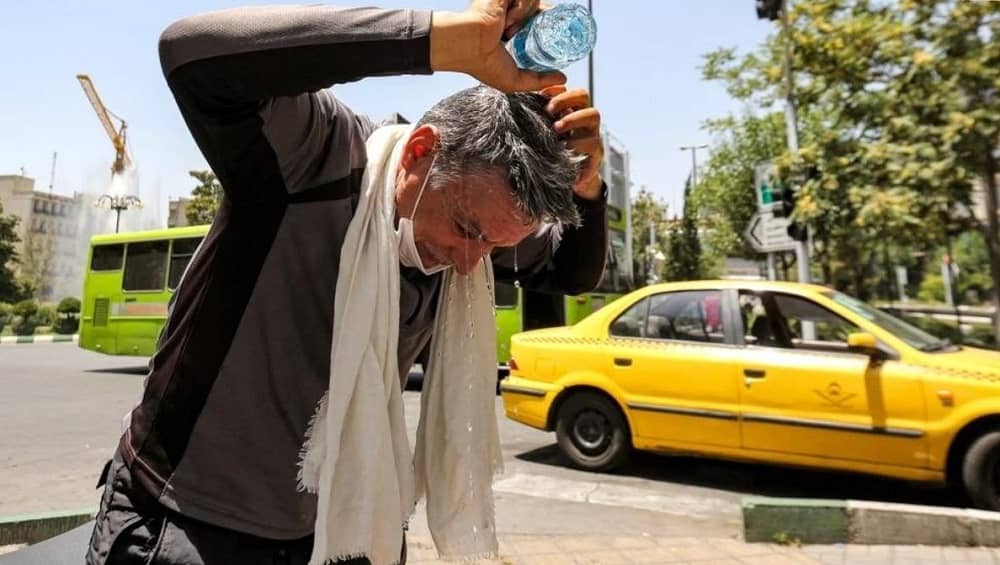
The nation has been hit by severe power outages, water shortages, and industrial shutdowns, exacerbating an already fragile economic situation and fuelling widespread public dissatisfaction. The scorching summer has pushed Iran’s power grid to its limits, leading to significant disruptions across various sectors.
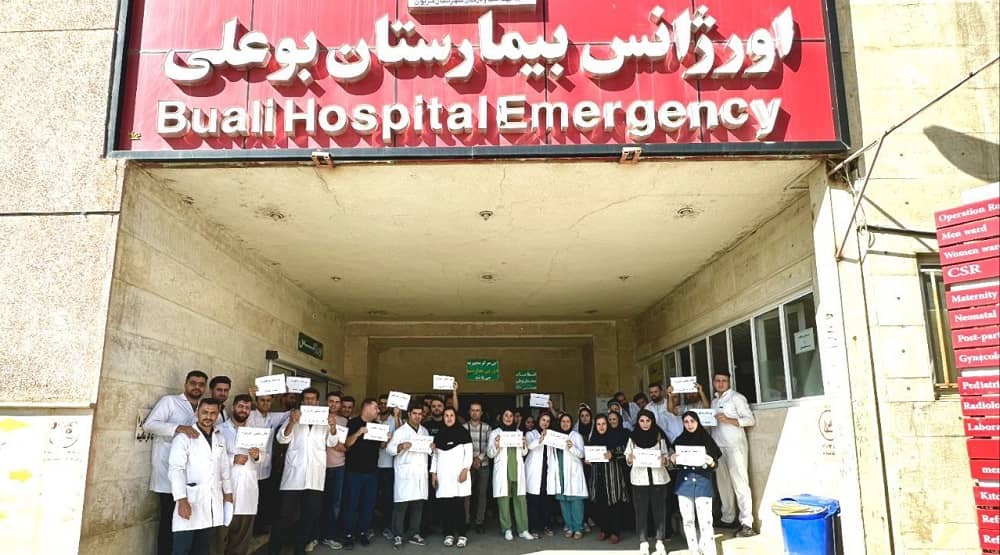
The demonstrators are united in their demands for improved wages, better working conditions, and recognition of their rights. These widespread protests highlight the growing dissatisfaction with the Iranian regime’s long-standing neglect and repressive measures, signaling a deepening economic and social crisis.
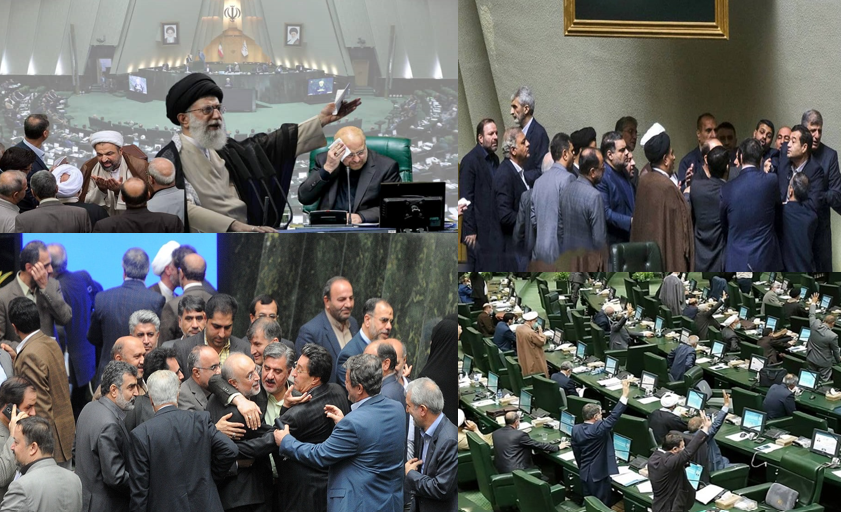
This revelation has cast a shadow over the legitimacy of the entire regime, from Khamenei himself to the Parliament, the President, and even the electoral process. The confession has caused an uproar among fervent supporters of the Supreme Leader, highlighting the concerns of the Iranian Resistance about the absolute control exerted by the mullahs’ regime.
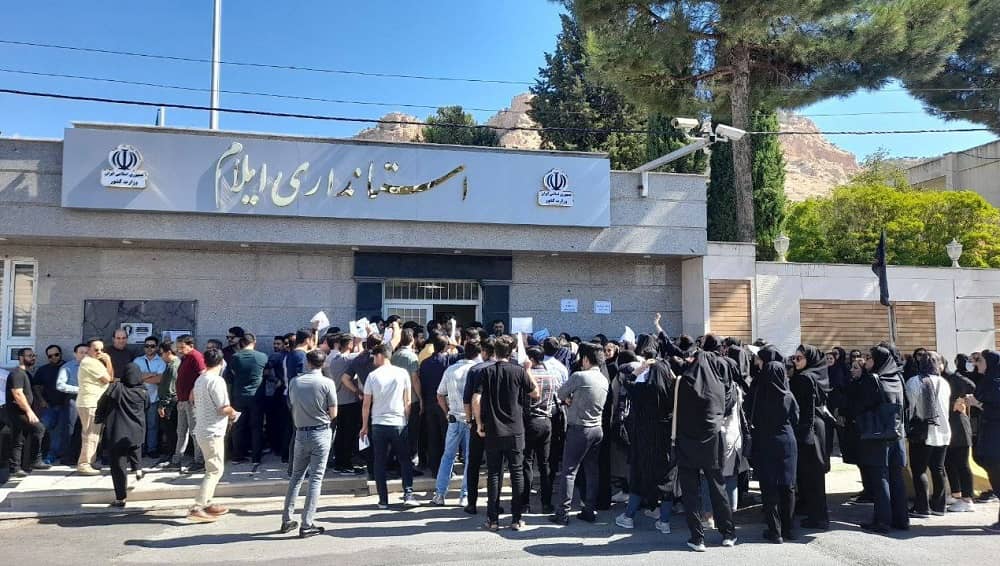
The movement is driven by demands for higher wages, better working conditions, and accountability for government and corporate corruption. In the capital city of Tehran, nurses have continued their strikes, demanding higher wages and improved working conditions. In addition, creditors of the state-backed carmaker Rigan Khodro rallied outside the “special complex for dealing with economic crimes,” protesting corrupt financial practices and a lack of government response.
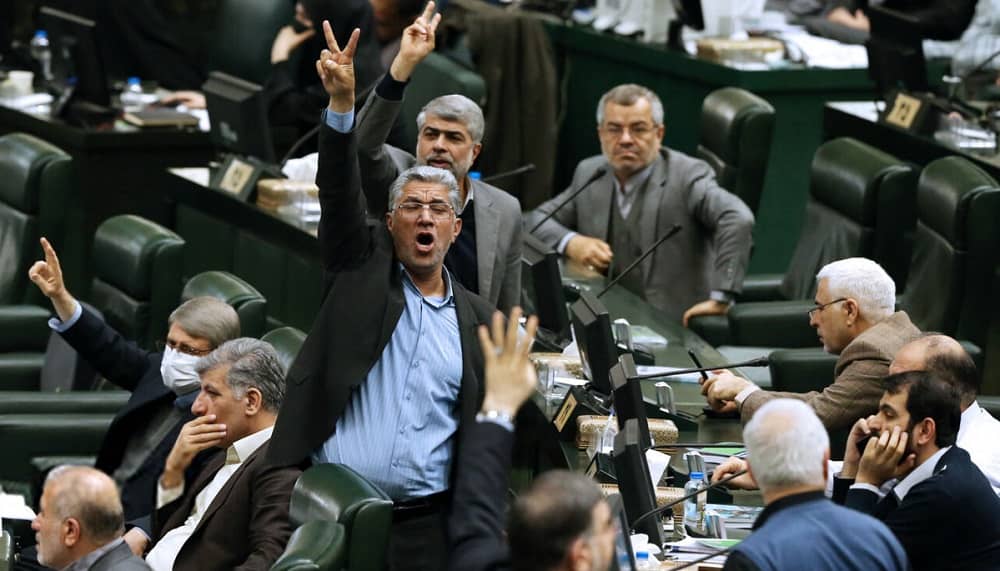
The sessions, which scrutinized critical ministries such as Industry, Culture, and Interior, have underscored the extent to which Supreme Leader Ayatollah Ali Khamenei is exerting his influence to shape the new government. The process highlights the Supreme Leader’s determination to ensure that Pezeshkian’s cabinet aligns strictly with his hardline agenda, devoid of any elements that might challenge his authority.
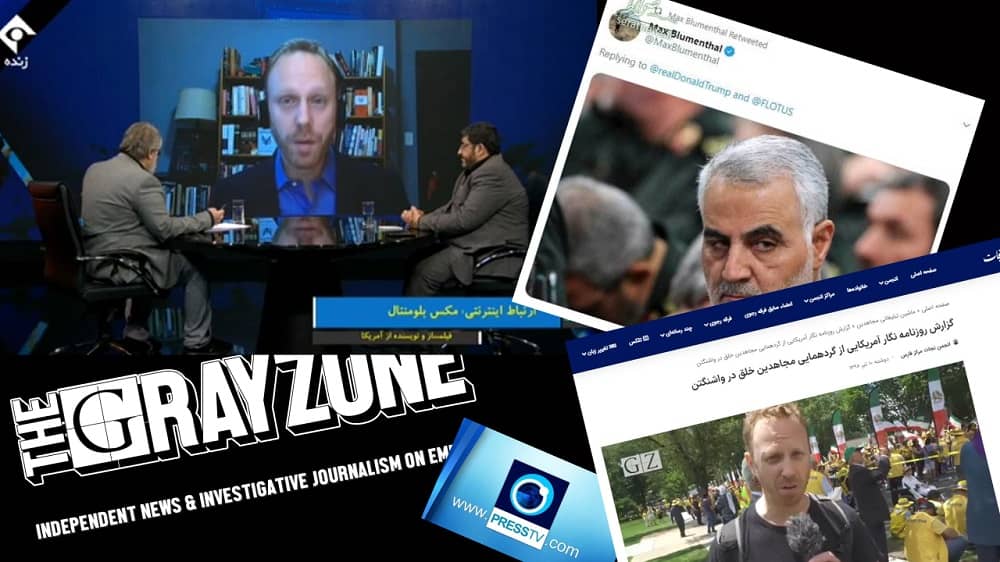
This marks a continuation of Tehran’s longstanding attempts to assert its influence in Washington, a strategy that has evolved significantly over the years. Newly uncovered documents, released in June, have highlighted the sophisticated methods employed by the Iranian regime to shape public opinion in the West, particularly through media manipulation.
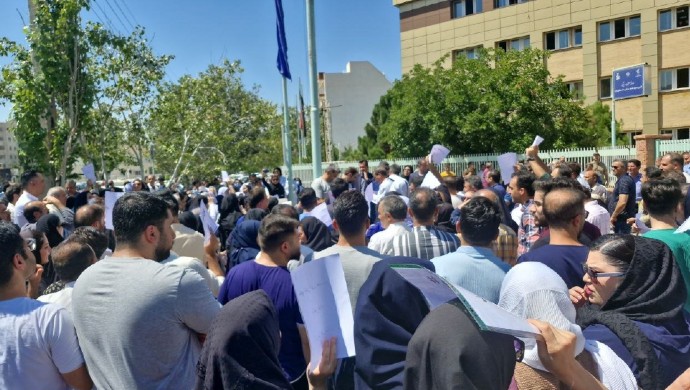
The scale of these demonstrations is unprecedented, with the state-run Khabar Online news website reporting on August 19, 2023, that “the protests are so widespread that everyone has lost count.” Thousands of nurses from various provinces have united, loudly voicing their grievances against the oppressive regime and demanding their rights.
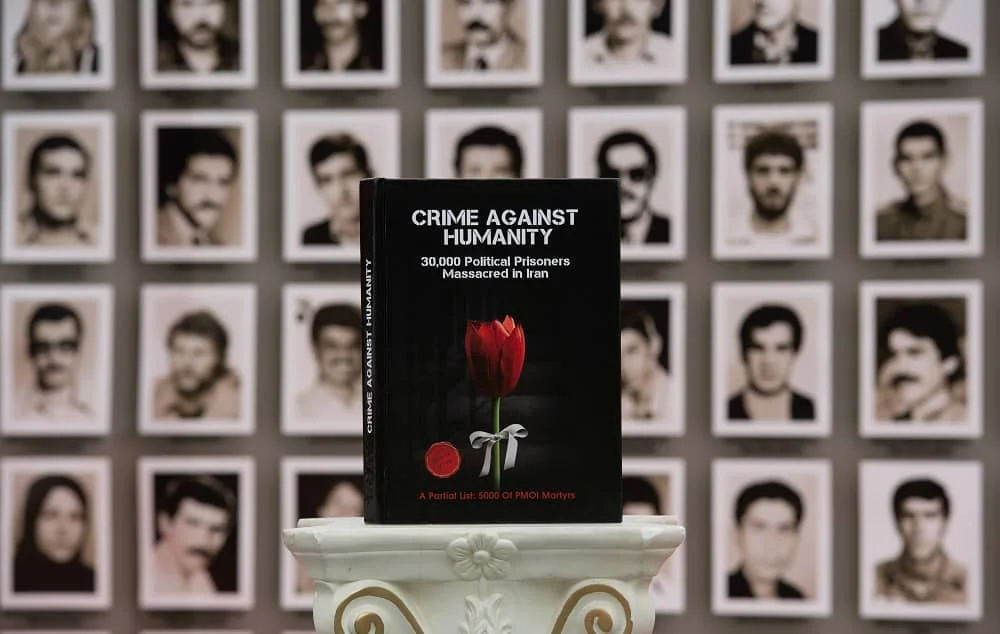
This demand was made in an open letter originally published on the website of the Justice for the Victims of the 1988 Massacre in Iran (JVMI) following the release of a comprehensive report by UN Special Rapporteur Javaid Rehman, which details systematic atrocities committed by the Iranian regime, particularly the 1988 massacre of political prisoners.