Iran’s regime has intensified its repressive measures in an attempt to stifle social unrest and prevent future uprisings.
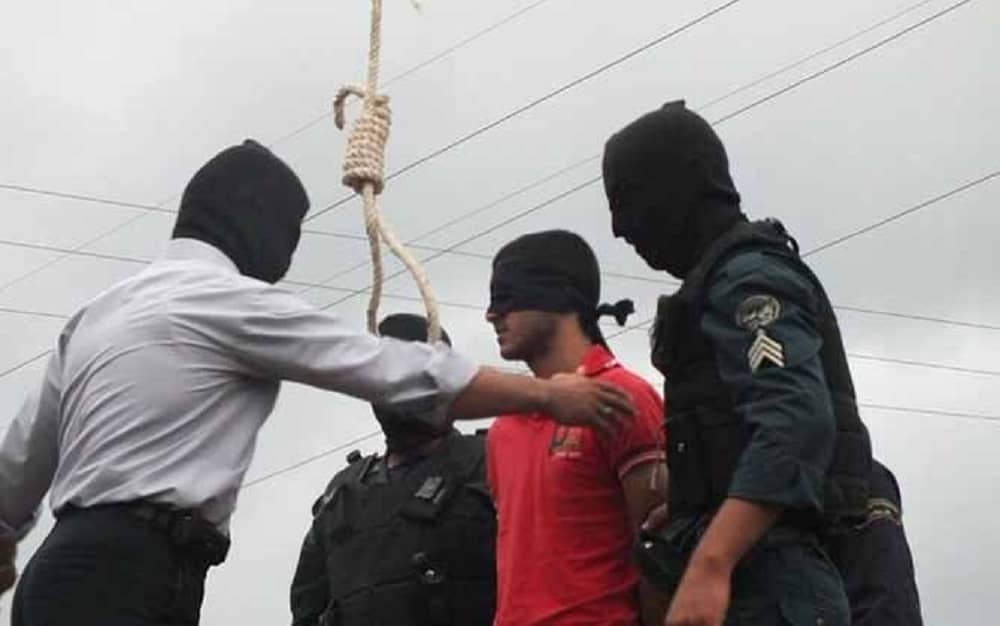
In recent weeks, this crackdown has taken a brutal turn, with a sharp rise in executions and heightened pressure on political prisoners and the families of dissidents. On August 7 alone, at least 29 individuals were executed by the regime, marking one of the darkest days in Iran’s recent history. Among the victims of this execution spree was Reza Rasaei, a political prisoner who was executed a day earlier.
The human rights situation in Iran has taken a darker turn under the presidency of Masoud Pezeshkian, despite the regime's efforts to portray him as a moderate and reformist leader.
Recent developments reveal an alarming escalation in state-sponsored violence, with a marked increase in executions and mounting pressure on political prisoners, raising grave concerns among international human rights organizations.
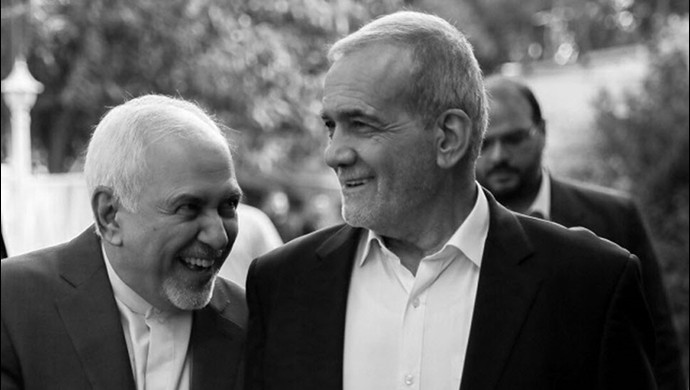
In a move that has intensified existing tensions within Iran's ruling factions, President Masoud Pezeshkian’s recent appointment of Mohammad Javad Zarif as his Strategic Deputy has ignited widespread debate.
Announced on August 1, the appointment has been met with significant backlash, raising doubts about Pezeshkian’s loyalty to Supreme Leader Ali Khamenei and highlighting Zarif’s controversial return to government, despite his prior claims of stepping away from politics.
The directive emphasized the importance of closely monitoring and reporting on the Supreme Leader’s policies, underscoring the high stakes of the position.
“With the responsibility of overseeing the tasks and duties of the Center for Strategic Studies of the Presidency, you are to transform these into appropriate structures for the Strategic Deputy role and directly report on the approved vision document and general policies of the Supreme Leader,” Pezeshkian stated.
Pezeshkian’s directive to Zarif places him at the helm of transforming the Center for Strategic Studies of the Presidential Office into a robust structure to support his new role.
The appointment has not gone unnoticed by key players within the regime. The Islamic Revolutionary Guard Corps (IRGC)-affiliated media quickly voiced their concerns, branding Zarif as a potential “spy” and expressing deep mistrust regarding his re-entry into government. The IRGC-run outlet quoted users stating, “We did not have a Strategic Deputy before. Zarif promised he wouldn’t take a post. From now on, we have to be careful about everything because the spy is back.”
Zarif responded to the criticism by reiterating his initial reluctance to accept the position, citing public pressure as the reason for his change of heart. He assured that his role would be purely advisory, with no additional bureaucracy or overlap with existing institutions. “There will be no new bureaucracy, no overlap with existing agencies, no weakening of any institutions,” he assured.
However, Zarif’s appointment is not the only one causing controversy. Pezeshkian’s selection of Ali Tayebnia as his senior advisor and Hamid Pourmohammadi as head of the Planning and Budget Organization has also raised eyebrows. Pourmohammadi’s past imprisonment for financial misconduct and Tayebnia’s long history in government positions under previous administrations have led some to question Pezeshkian’s judgment.
Adding to the controversy, Shahram Dabiri’s appointment as Deputy for Parliamentary Affairs has also been met with criticism, particularly given his previous arrest on financial charges. The appointments have prompted harsh critiques from within the regime, with Mohammad Javad Hojjati Kermani, a member of the Council of Experts, labeling the appointees as “revolutionary parasites.”
The growing discontent within Iran’s political landscape reflects broader concerns about the direction of Pezeshkian’s administration.
As factions within the regime continue to clash over these appointments, the future stability of Pezeshkian’s presidency remains uncertain.
Pezeshkian's directive to Zarif places him at the helm of transforming the Center for Strategic Studies of the Presidential Office into a robust structure to support his new role.
The escalating tensions highlight deep fractures within the clerical dictatorship, undermining its already fragile foundation. The faction loyal to Supreme Leader Ali Khamenei, known as the “Principlists,” has launched a scathing attack on Pezeshkian and his appointments.
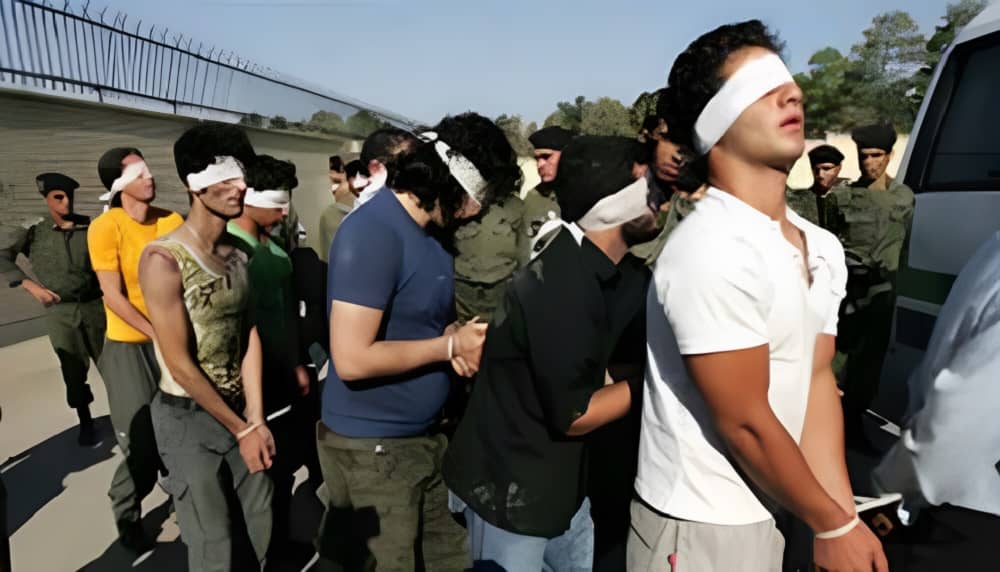
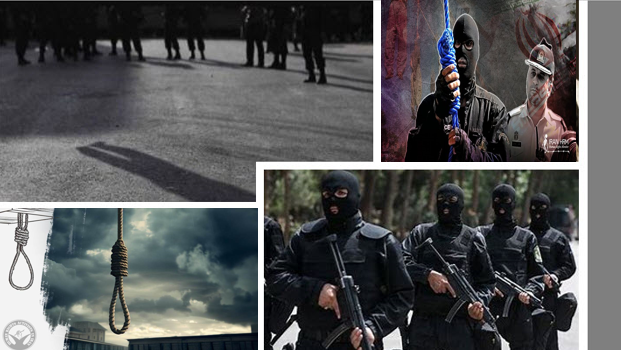
In a harrowing display of state-sponsored violence, the Iranian regime executed 22 prisoners at Ghezel Hesar Prison on August 7, marking the most extensive mass execution in the country since 2016.
The wave of executions underscores the regime’s escalating repression as Massoud Pezeshkian, Iran’s newly appointed president, prepares to unveil his cabinet. The victims, including seven Sunnis, were hanged in a single day, highlighting the regime’s increasingly precarious yet ruthless hold on power.
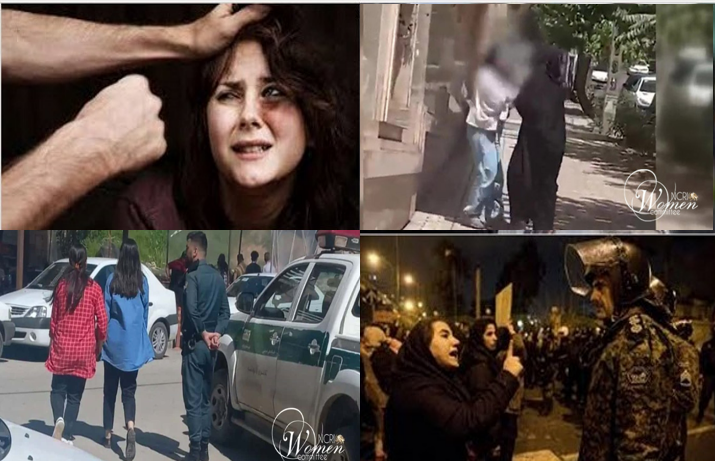
Violent Assault and Inhumane Treatment of Two Teenage Girls by Morality Police
Call for International Investigation, Accountability, and Sanctions Against Regime Leadership Recently released footage depicting the violent assault and inhumane treatment of two teenage girls, one aged 14, by Iran’s morality police and SSF (State Security Force) agents for alleged hijab violations has shocked the conscience of the international community.
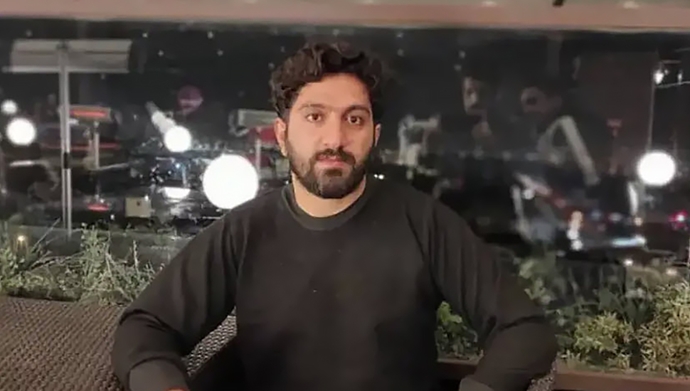
On August 6, the regime executed Reza Rasaei, a political prisoner
Rasai was arrested during the 2022 anti-regime uprising. The regime’s security forces tortured him in Kermanshah’s Dizelabad prison and forced him to make incriminating confessions about killing a member of the Revolutionary Guards in November 2022.
22 Prisoners Executed en Masse in Ghezel Hesar Prison as Pezeshkian’s Cabinet Unveiling Looms
Mrs. Rajavi Urges UN and EU to Take Immediate Action to Save Death Row Inmates Amid domestic and regional turmoil, and fearing a popular uprising, Ali Khamenei has turned to mass executions of prisoners just as his new president, Massoud Pezeshkian, prepares to unveil his cabinet. Pezeshkian has repeatedly stated that this cabinet, which could be dubbed the “Execution Cabinet,” will only be introduced after Khamenei’s approval.
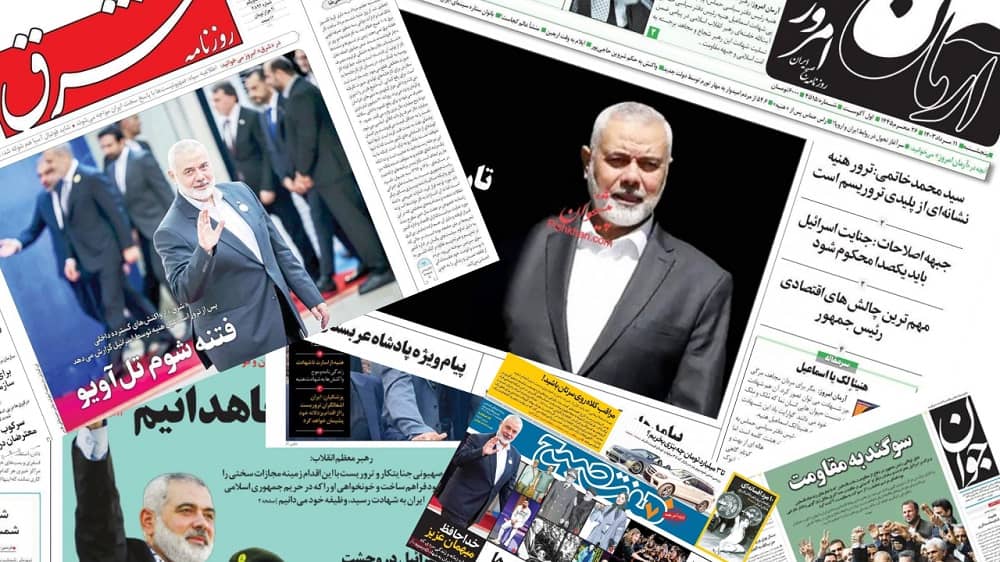
The recent assassinations of Ismail Haniyeh, the political leader of Hamas, and Fouad Shukr, a senior commander of Hezbollah, have triggered a wave of security concerns and internal disputes within the Iranian regime.
The regime’s media outlets and state officials in Tehran have been grappling with the implications of these targeted killings, which they attribute to internal espionage and infiltrators. On August 1, the state-run newspaper Jomhouri Eslami emphasized the severity of infiltration within Iran’s ranks, suggesting that the assassination of Haniyeh was likely due to internal espionage.
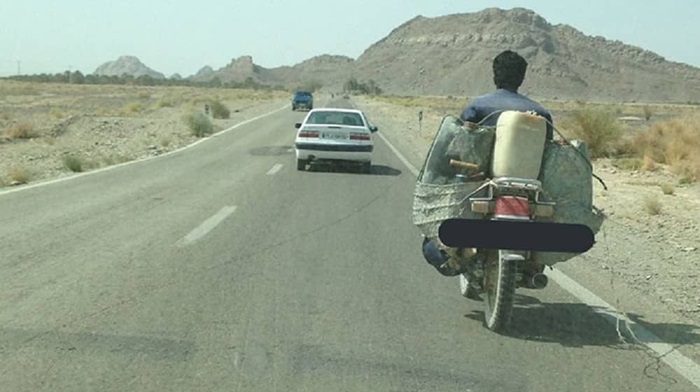
Fuel portering has become one of the most perilous and precarious means of survival in the Sistan and Baluchestan province, where thousands are forced into this dangerous occupation out of sheer necessity.
The recent tragedies involving fuel porters have shocked and saddened the people of Baluchestan, highlighting the harsh realities faced by those who have no other means to support their families.