Despite some characterizations of Pezeshkian as a reformist, a closer examination of his political history and actions suggests a firm alignment with the core principles of Iran’s current regime.
Despite some characterizations of Pezeshkian as a reformist, a closer examination of his political history and actions suggests a firm alignment with the core principles of Iran’s current regime.
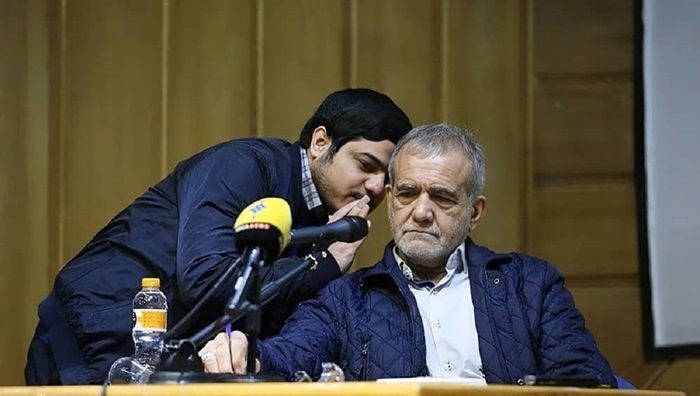
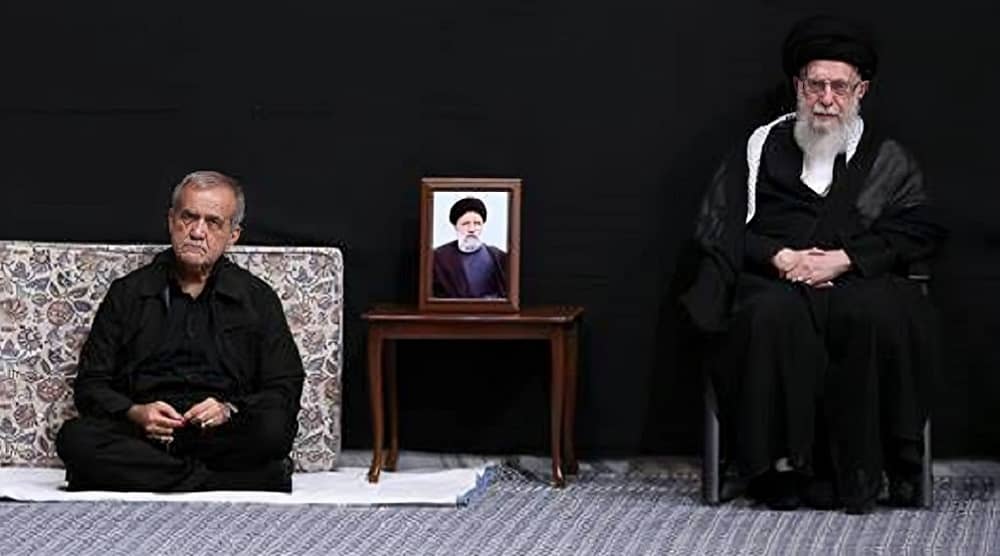
Following Pezeshkian’s reluctant announcement as the clerical regime’s new leader, Khamenei canceled Pezeshkian’s planned press conference, opting instead for a private meeting on July 6.
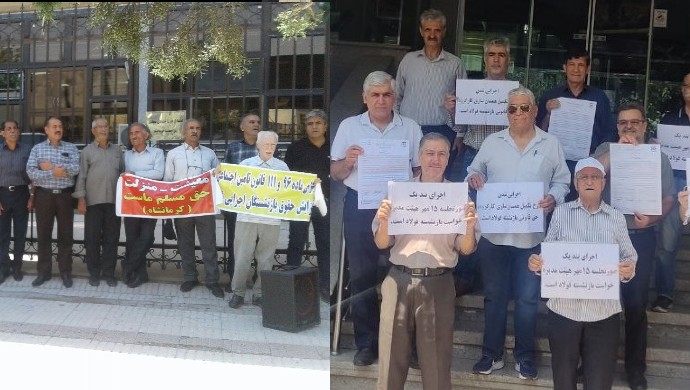
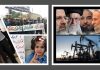
From the capital, Tehran, to cities such as Isfahan and Yasuj, demonstrators from various sectors took to the streets, voicing their frustrations and demanding change. These protests follow the recent election of President Massoud Pezeshkian, highlighting the public’s growing disillusionment with the government’s ability to address their problems.
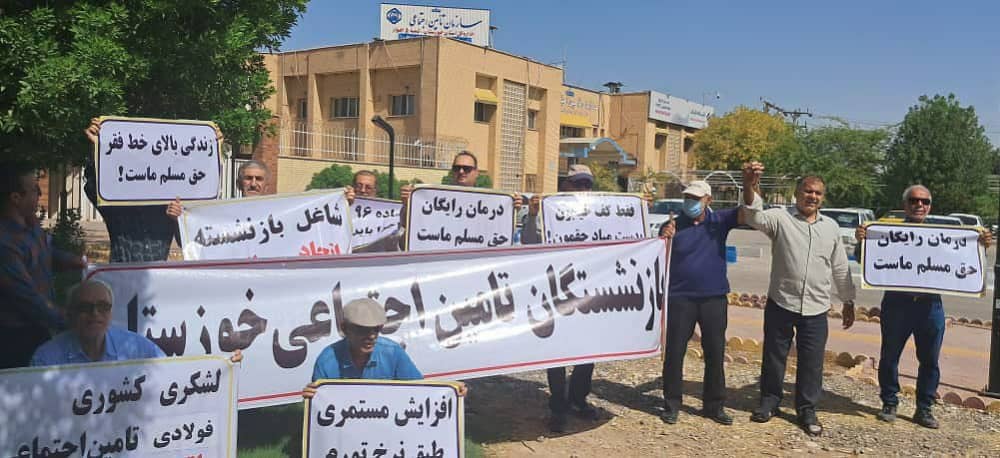
Over the past few days, retirees, oil sector workers, and residents from different regions have taken to the streets, highlighting widespread dissatisfaction with the current economic and social policies.
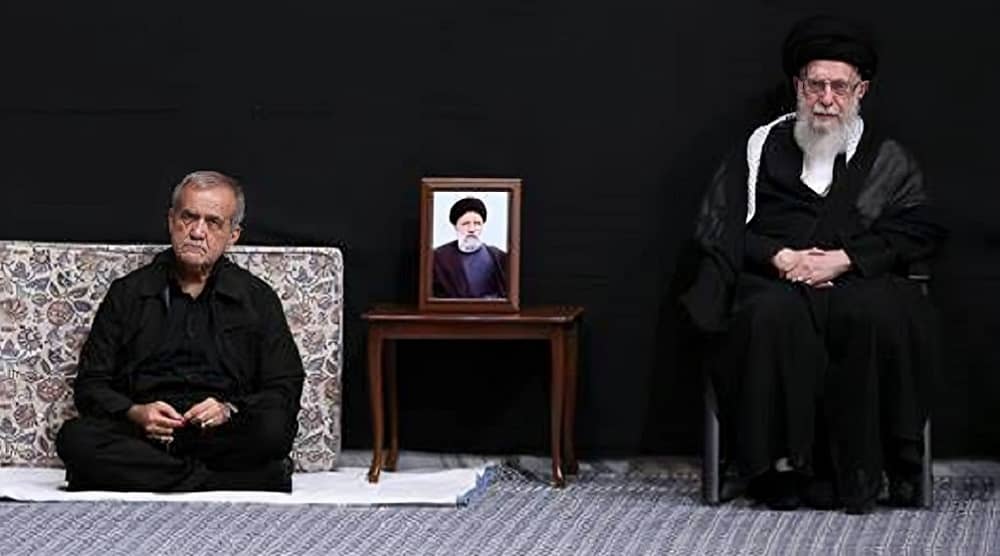
In a recent phone conversation with the Houthis’ Supreme Political Council head Mahdi Al-Mashat, Pezeshkian lauded the group’s aggressive military actions in the Red Sea, including attacks on commercial ships and foreign vessels.
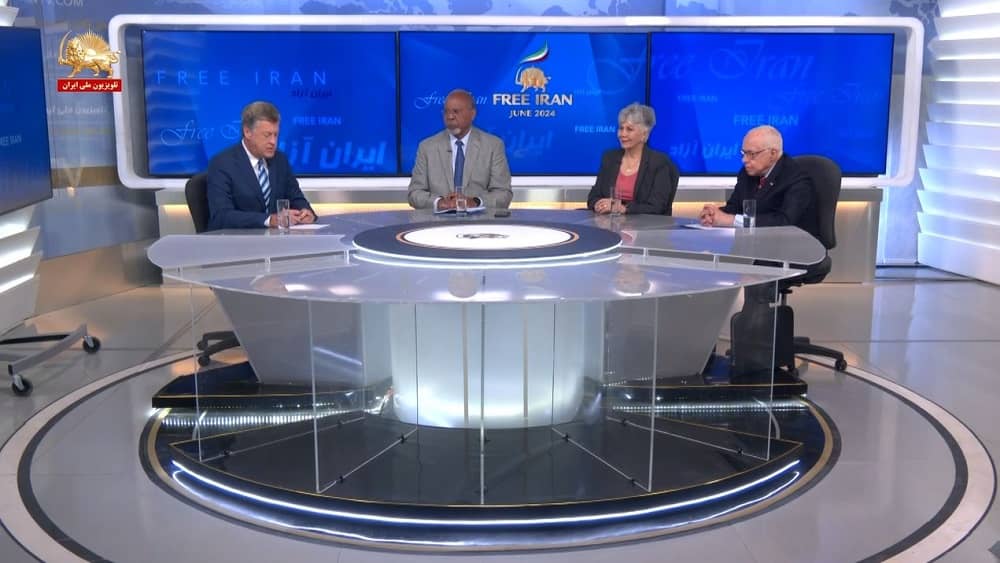
The panel featured notable figures such as Judge Michael Mukasey, former U.S. Attorney General; Linda Chavez, former White House Director of Public Liaison; and Kenneth Blackwell, former U.S. Ambassador to the United Nations Human Rights Commission.
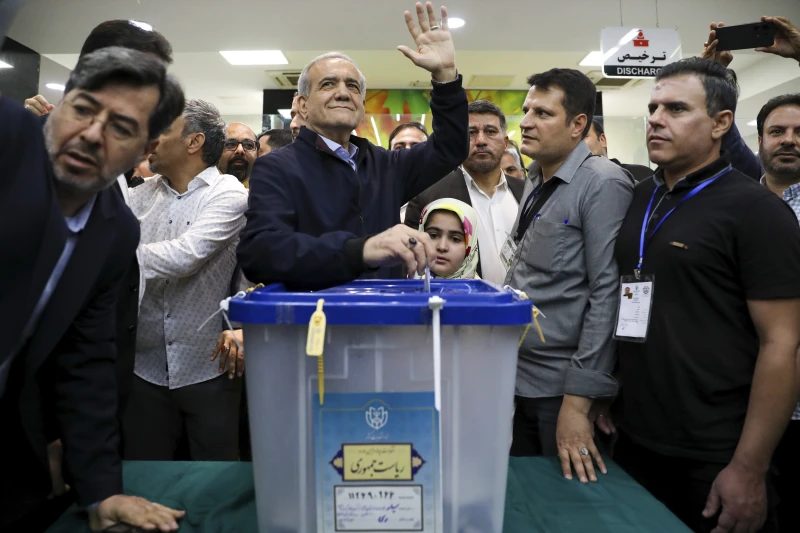
According to Iranian opposition President-elect Maryam Rajavi of the National Council of Resistance of Iran (NCRI), the election was a desperate move by Supreme Leader Ali Khamenei to maintain the regime’s grip on power. However, this strategy has backfired, pushing the regime closer to collapse.
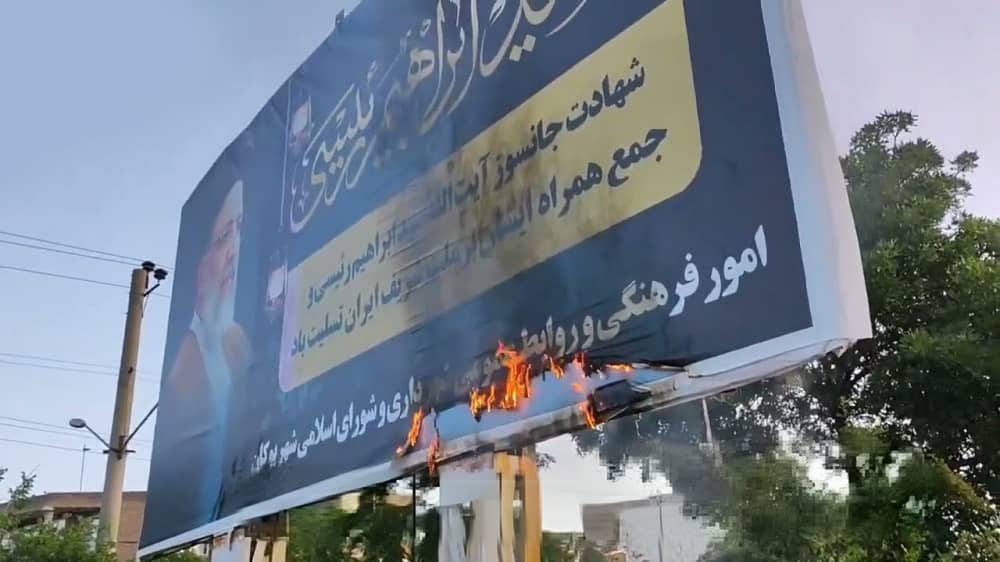
This costly endeavor, both materially and politically, forced Iran’s Supreme Leader, Ali Khamenei, to retreat from his goal of consolidating power.
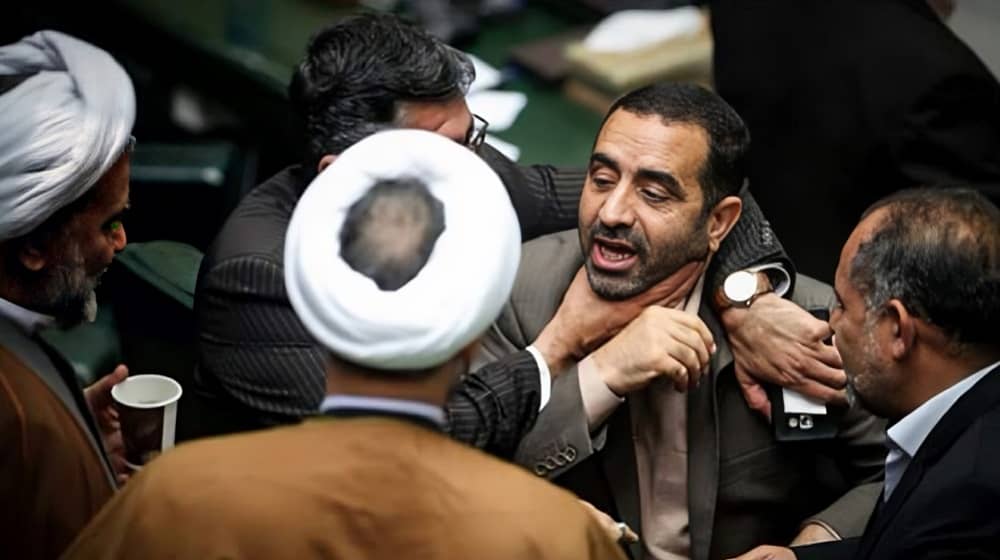
The rifts are evident in state-controlled media, reflecting the growing disarray and factional disputes that could further destabilize the political landscape.
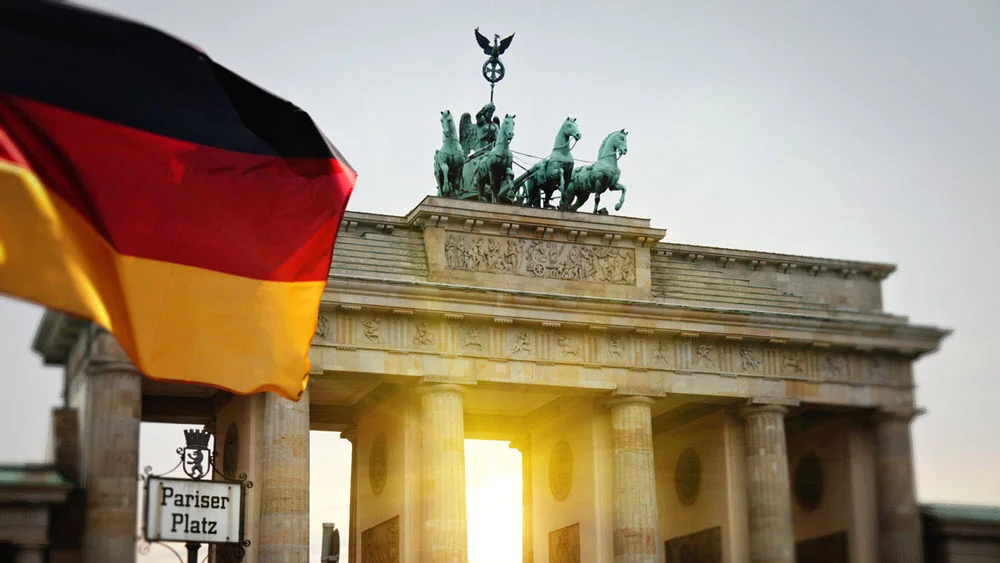
This development, reported by the prominent German newspaper Süddeutsche Zeitung on Thursday, July 4, underscores Germany’s increasing concern over the Iranian regime’s activities in the Middle East and beyond.