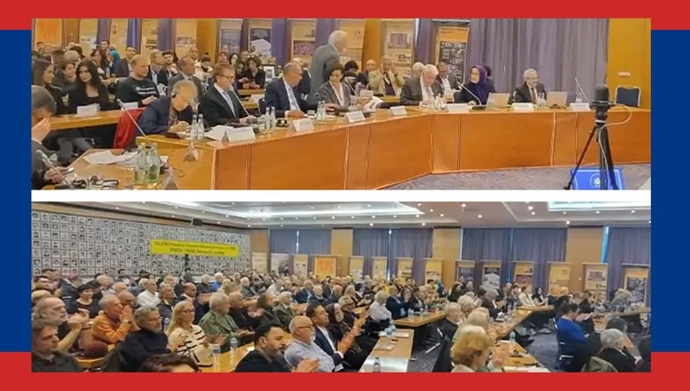
Among the attendees were prominent political figures such as Maryam Rajavi, head of the National Council of Resistance of Iran (NCRI), former European Parliament Vice President Professor Alejo Vidal-Quadras, and former German Defense Minister Dr. Franz Josef Jung. The event spotlighted the challenges posed by what was described as the “religious fascism” of Iran’s government, with attendees advocating for a complete overhaul in how the West approaches Tehran.
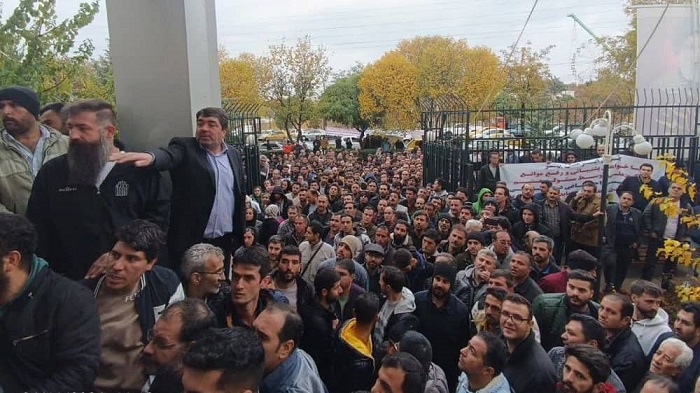
The demonstrations underline the country’s deepening economic crisis, with citizens calling out the government for its failure to fulfill longstanding promises and respond to widespread economic hardship.
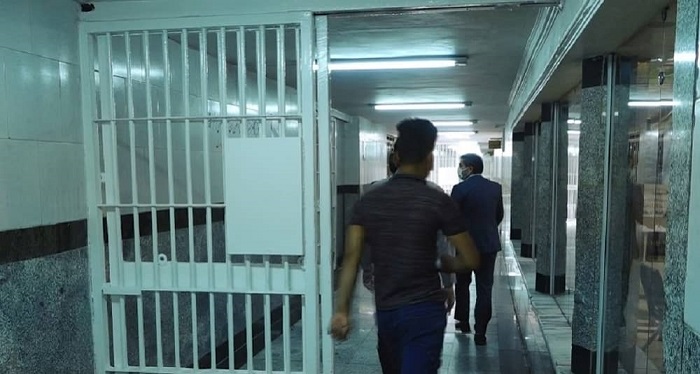
This coordinated action condemns the country’s escalating use of the death penalty, drawing attention to the alarming rate of recent executions and the ongoing plight of prisoners facing potential death sentences.
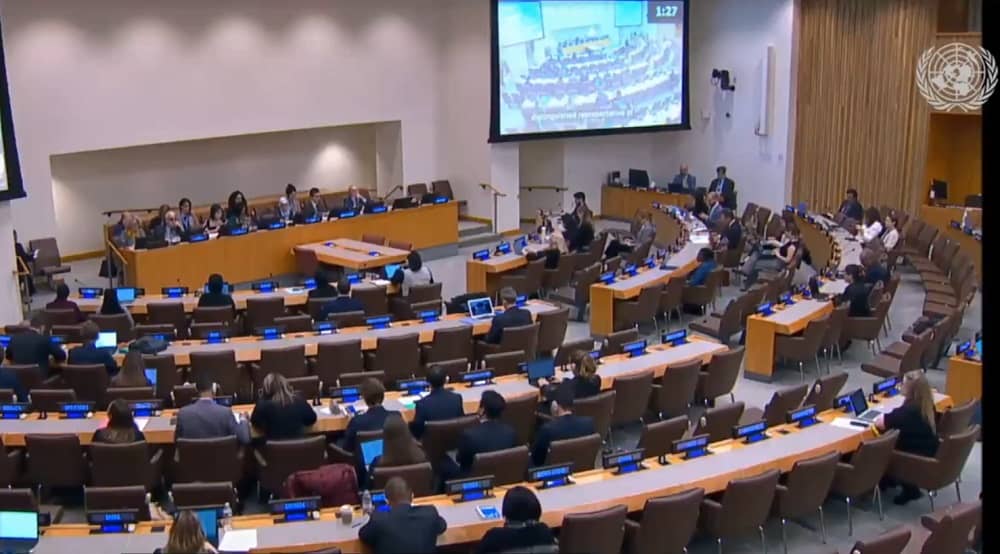
The session followed a report by UN Special Rapporteur Mai Sato, whose findings spotlighted severe rights violations and emphasized Iran’s disregard for universal human rights principles.

His personal account reveals the extent to which Tehran’s influence reaches beyond its borders and poses direct threats to European figures. On November 9, 2023, an attempt on Vidal-Quadras’s life was carried out outside his residence in Madrid, allegedly under the orders of the Iranian government. The assault left him with severe injuries, including fractured jawbones. As Vidal-Quadras points out, his experience is not unique; rather, it underscores Iran’s global strategy of targeting dissidents abroad.
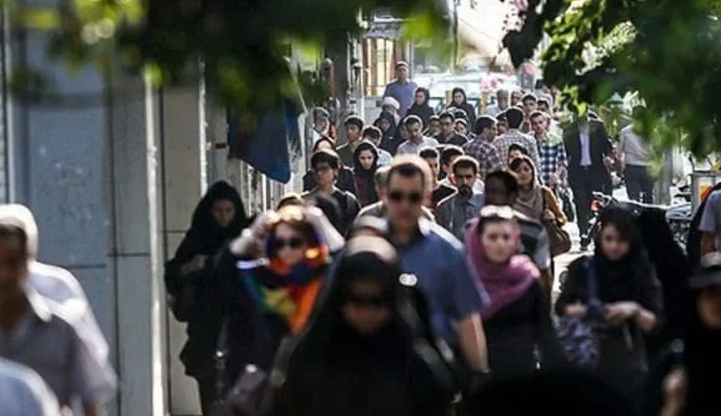
Recent government data reveal a striking 68% increase in the poverty line in 2023, reflecting a deteriorating financial climate that is making it increasingly difficult for families to meet basic needs.
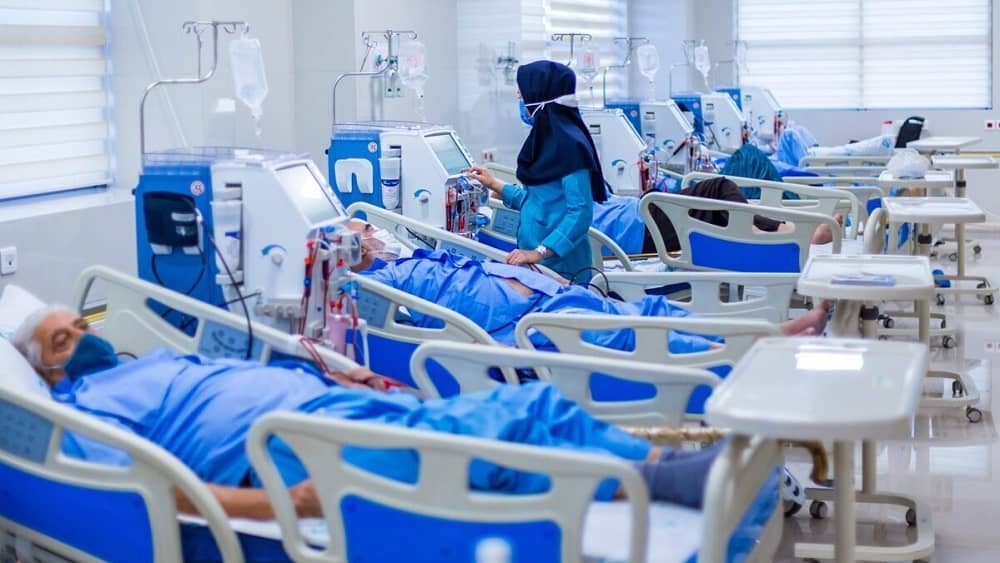
The contaminated solutions, produced by the pharmaceutical company Thamen—an affiliate of the influential Astan Quds Razavi Foundation—have ignited public outrage and criticism over governmental negligence in healthcare management. Thamen’s ties to Astan Quds Razavi, a religious and economic powerhouse with substantial autonomy and limited oversight, have raised suspicions regarding the organization’s prioritization of political alignment over public welfare.
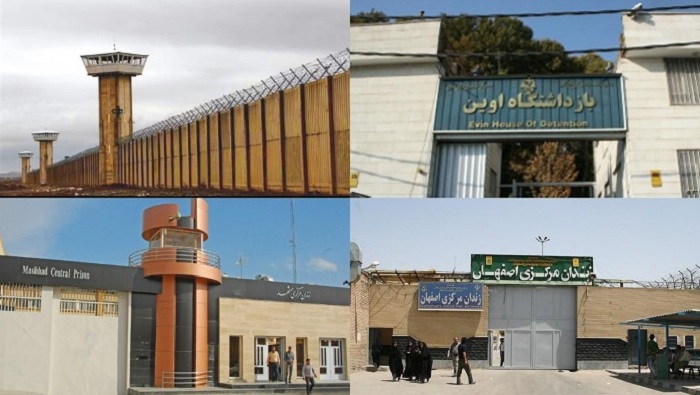
The “No to Executions Tuesdays” campaign marked its 40th week with heightened acts of defiance across Iran, as more prisoners joined the collective resistance against the Iranian government’s escalating use of capital punishment. A new addition this week, Kahnuj Prison, brings the total number of participating prisons to 24, as prisoners in various facilities initiated hunger strikes to demand an end to the intensified execution spree.
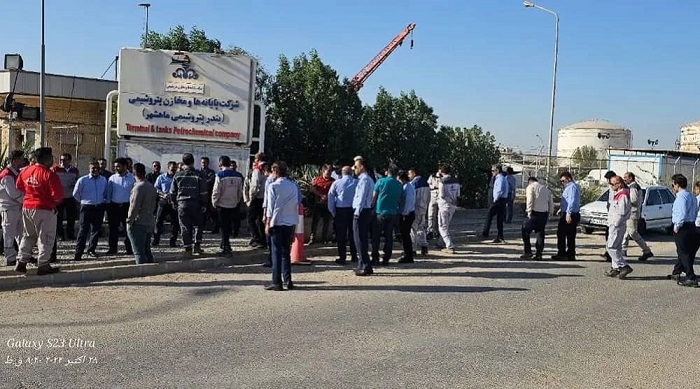
Today’s demonstrations, spanning cities like Tehran, Ahvaz, Isfahan, and Tabriz, reveal a deepening frustration among retirees, municipal workers, students, and marginalized communities who feel neglected amid a steep economic downturn and harsh government policies.