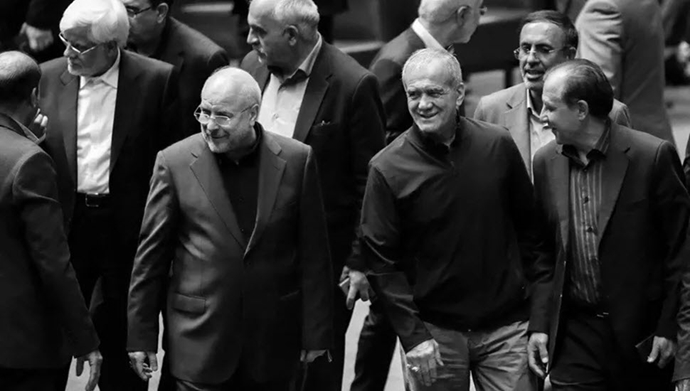
The deep divisions within the state leadership continue to intensify, raising concerns about the government’s stability and ability to navigate the country’s pressing challenges.
The deep divisions within the state leadership continue to intensify, raising concerns about the government’s stability and ability to navigate the country’s pressing challenges.
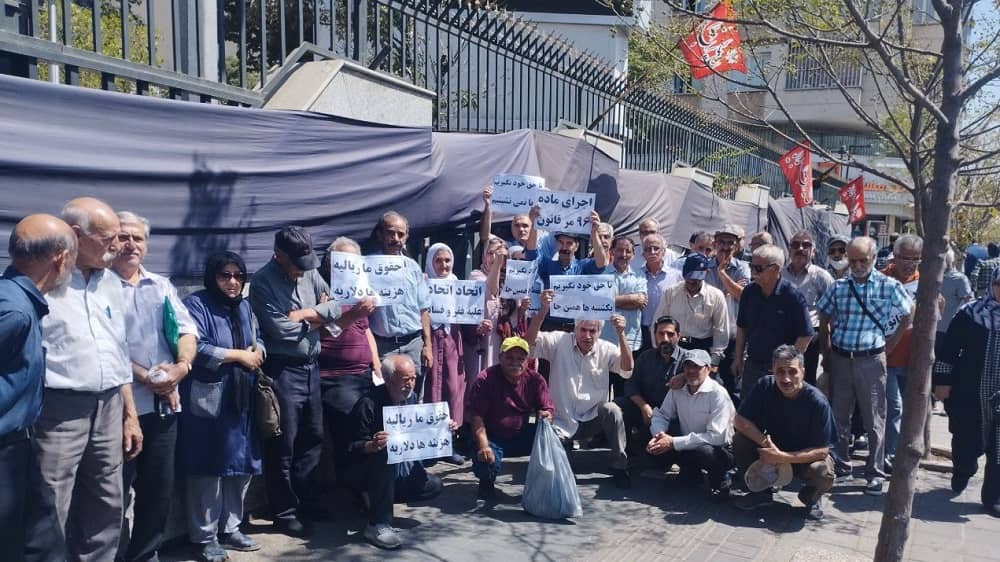
From the capital, Tehran, to cities like Isfahan, Arak, and Yazd, demonstrators demanded better wages, improved living conditions, and fulfillment of long-neglected promises.
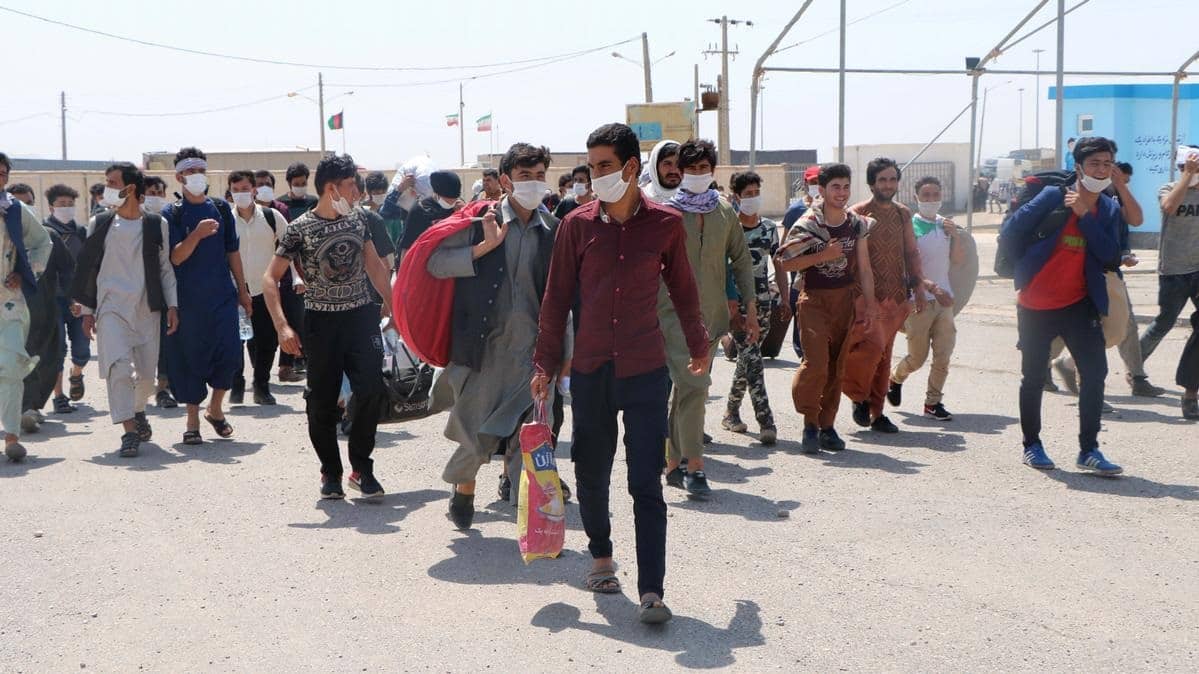
This manipulation of public perception is not new but has intensified with each wave of Afghan migration. The tactic serves as a deflection from Iran’s pressing internal challenges, including economic hardships, human rights abuses, and mounting political unrest.
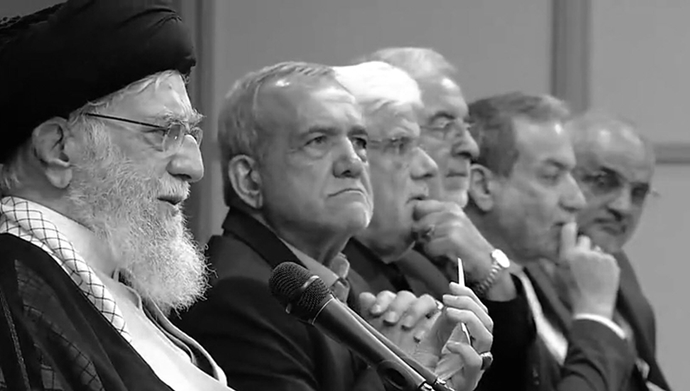
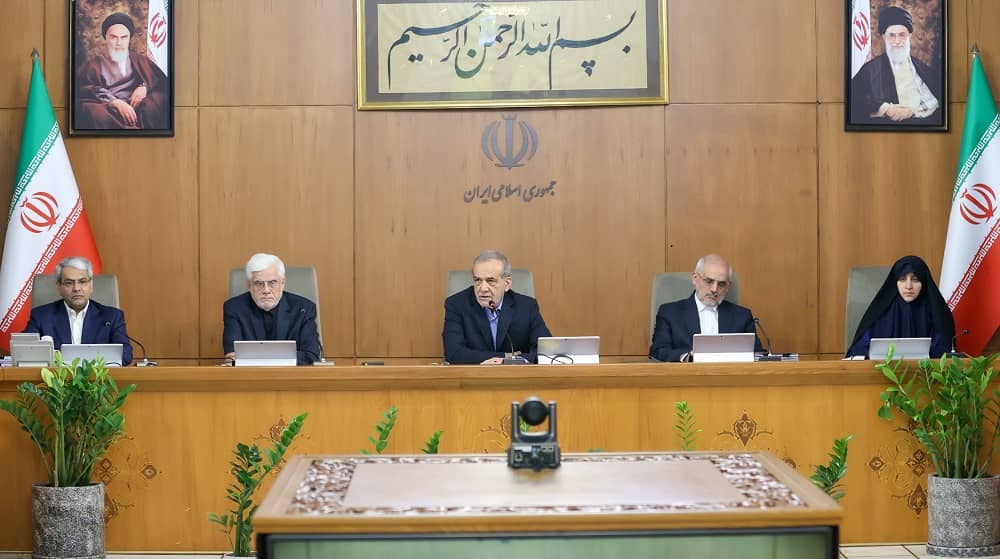
He claims that his administration represents a diverse range of viewpoints, striving to create a government of national unity through factional partnerships and quotas. However, the reality of the situation tells a different story. Despite Pezeshkian’s assertions, the cabinet he introduced is essentially a mix of ministers from previous governments and representatives from various factions of the regime, rather than a genuine representation of all perspectives.
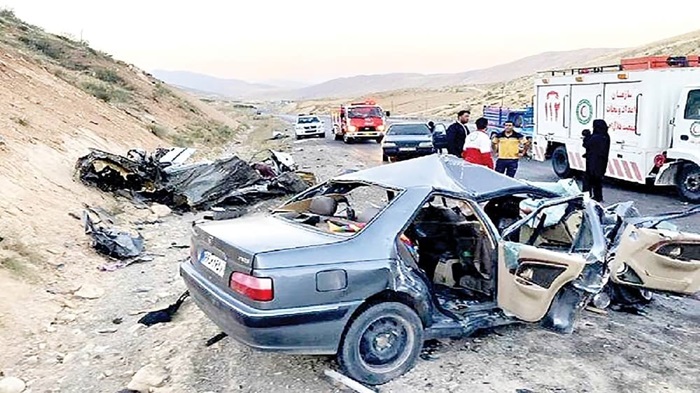
Additionally, around 1,000 individuals suffer injuries in these accidents every day, with approximately 100 becoming permanently disabled. The ripple effect of these accidents is devastating, with over 200 families plunging into severe economic hardship and poverty daily.
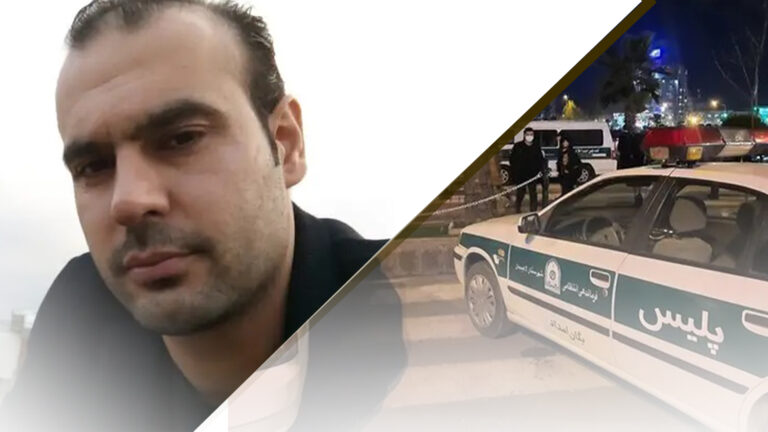
The Iranian regime has not officially released the victim’s name, but local sources have identified him as Mohammad Mirmousavi, a 36-year-old resident of Lahijan. His death was only acknowledged by the regime after images of his body, showing clear signs of torture, surfaced on social media.
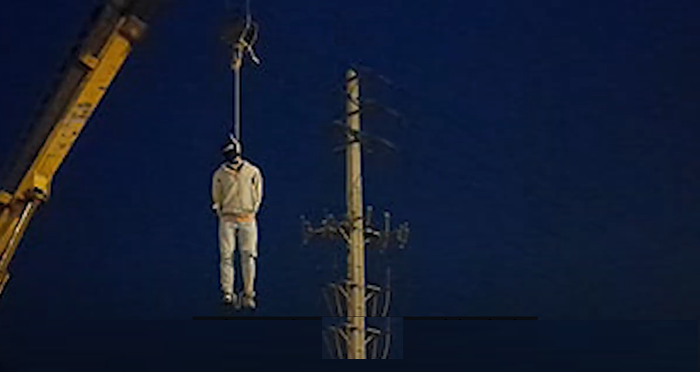
On August 26, authorities executed a prisoner in Shahrud and another in Zahedan, continuing a chilling trend that has gripped the nation. In the days leading up to these executions, four other prisoners were hanged in Qazvin, Isfahan, Tabriz, and Nahavand. This brings the total number of documented executions during the Iranian month of Mordad (July 22 to August 21) to at least 126.
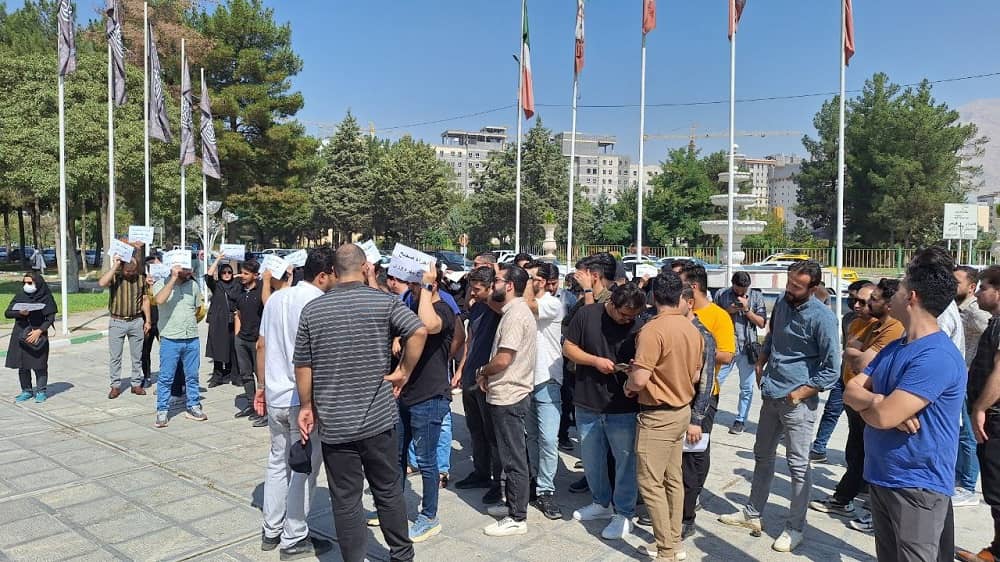
On Monday, August 26, a wave of demonstrations swept through the country, reflecting the deepening discontent that has taken root among various groups, from nurses and retirees to municipal workers and farmers.
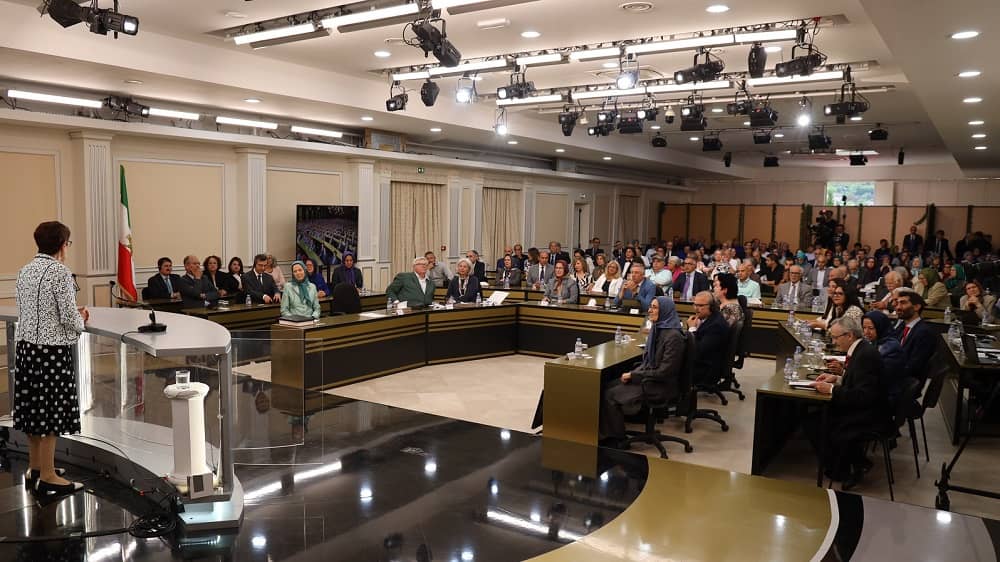
The event, which drew notable German and European figures, as well as representatives from Iranian communities, served as a powerful reminder of the enduring struggle for justice and human rights in Iran.
This confession has ignited a firestorm of controversy, laying bare the extent of Khamenei’s influence over the government and further undermining the legitimacy of Iran’s political institutions. The implications of Pezeshkian’s statement are profound, shaking the foundations of Iran’s fragile political landscape.