Home Blog Page 58

Seismic Shift in Iranian Living Costs: A Three-Decade Journey of Escalating Expenses

Over the past thirty years, Iran has undergone a substantial transformation in living costs, profoundly impacting the average citizen's life.

Over the past thirty years, Iran has undergone a substantial transformation in living costs, profoundly impacting the average citizen's life.

This change is most evident in the sectors of food, housing, and clothing, with the latter experiencing an astronomical rise. In the early 1990s, an average Iranian would spend approximately 11,000 tomans annually on clothing. Fast-forward to the present, and this expenditure has skyrocketed to 1.41 million tomans—a staggering 127-fold increase.

Iran’s Regime Secretly Executes Political Prisoner Amid Increasing Executions

Additionally, the regime secretly executed Ali Saber-Motlaq, allegedly for his involvement with the People’s Mojahedin Organization of Iran, a prominent pro-democracy opposition group.

The Iranian regime has secretly executed 62-year-old political prisoner Ali Saber Motlaq in Lakan Prison, Rasht, as reported by families of other prisoners in the facility.


Ali Saber, a long-time supporter of the People’s Mojahedin of Iran (PMOI/MEK), faced his untimely death following a history of persecution due to his political beliefs.

Parviz Sabeti Denies Involvement in Torture, Despite Overwhelming Evidence

Parviz Sabeti, the chief torturer of Shah's SAVAK police, was responsible for the death of many opposition members


In an interview, Parviz Sabeti, a prominent figure of the defunct SAVAK police of Iran’s former Shah regime, vehemently denied any involvement in the torture and execution of Iranian dissidents during the Shah’s oppressive rule. Speaking to Manoto, a Persian channel known for its favorable stance towards the remnants of the Shah regime, Sabeti attempted to distance himself from the heinous acts committed under his watch.

Iranian Regime’s Repression and Execution Campaign Met with Defiant Resistance

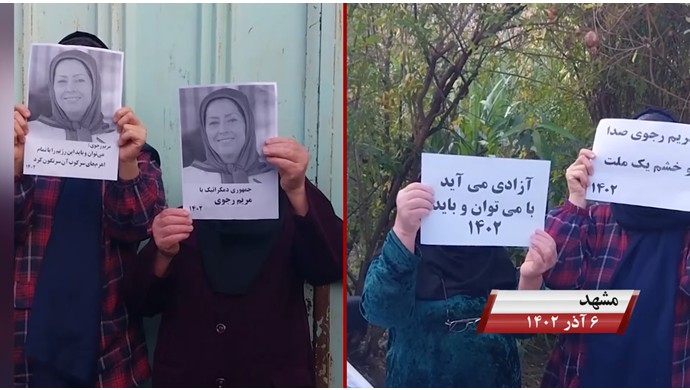
Activities of PMOI Resistance Units in Iran, November 2023

Activities of PMOI Resistance Units in Iran, November 2023


In a stark contrast to its ongoing involvement in Middle Eastern conflicts, the Iranian regime is intensifying its crackdown on domestic dissent, marking a distressing escalation in its campaign of suppression. Over the past month, the regime has executed over 100 individuals, signaling a worrying trend of increased political executions.

Iranian Regime’s Global Terror Campaign Threatens European Stability

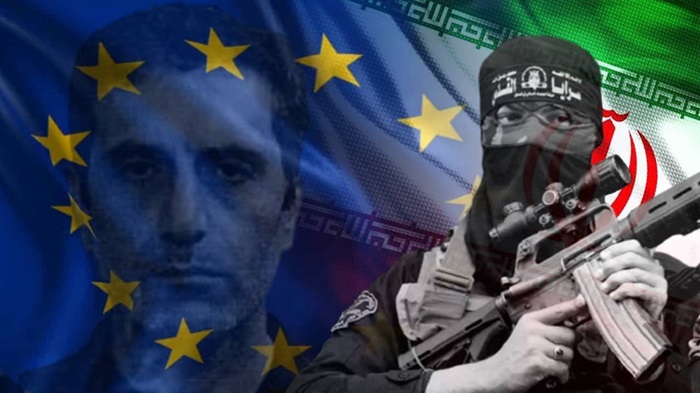
“While the regime’s belligerence has engulfed the Middle East, its terrorism has jeopardized the security of European politicians and citizens.

“While the regime’s belligerence has engulfed the Middle East, its terrorism has jeopardized the security of European politicians and citizens.


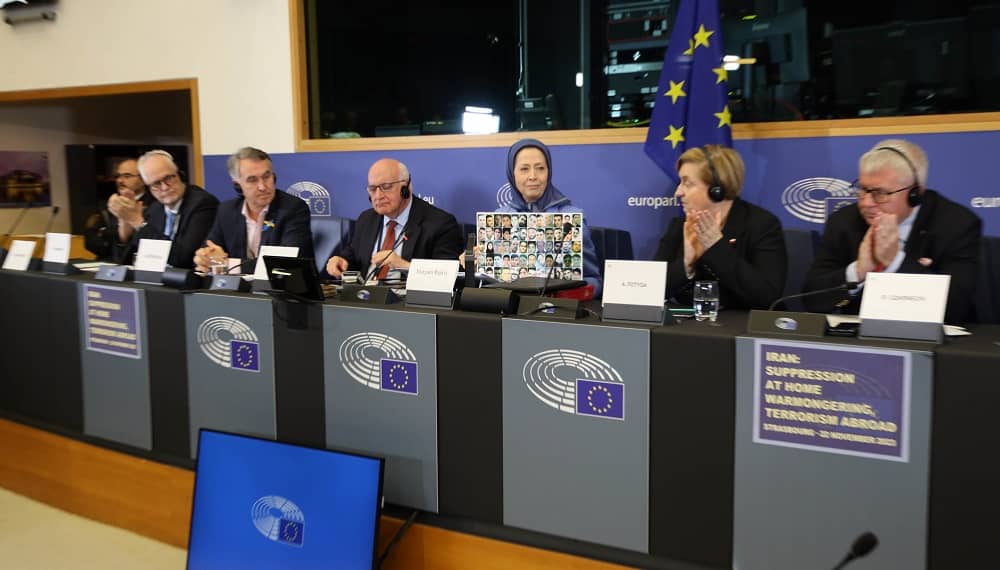
Nevertheless, the bullet that struck Mr. Vidal-Quadras in the face was a disgrace to the policy of appeasing Khamenei,” stated Iranian opposition President-elect Maryam Rajavi of the National Council of Resistance of Iran (NCRI), at a European Parliament conference in Strasbourg on November 22. Her words underscore a growing concern about the Iranian regime’s tactics.

Former German Defense Minister Highlights Iranian Disinformation Campaign at EP Conference

In his speech, Jung underscored the destabilizing role of Iran in global conflicts, particularly in the context of the Israeli-Palestinian issue.

In his speech, Jung underscored the destabilizing role of Iran in global conflicts, particularly in the context of the Israeli-Palestinian issue.

In his speech .Mr. Jung underscored the destabilizing role of Iran in global conflicts, particularly in the context of the Israeli-Palestinian issue.

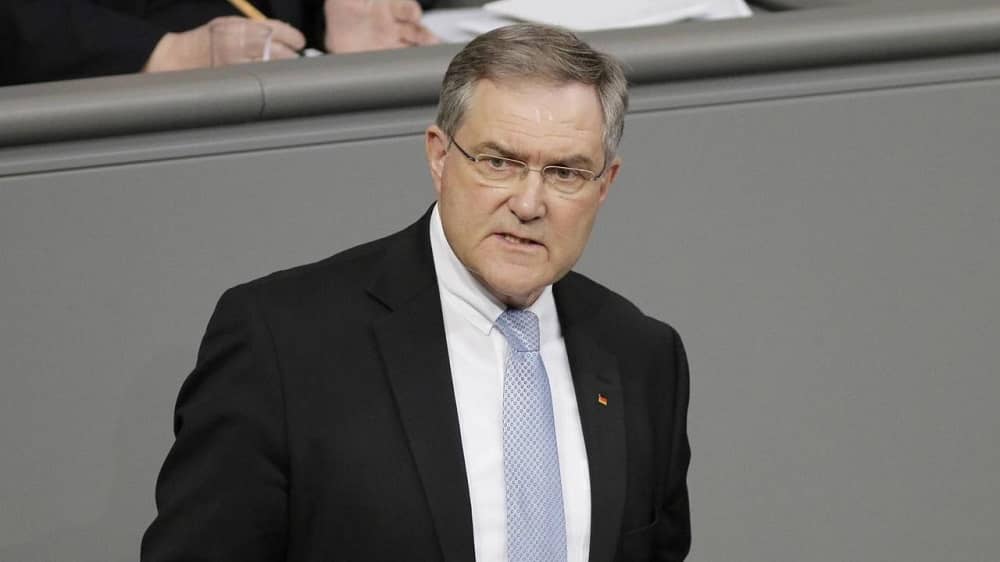
On November 22, Dr. Franz-Josef Jung, the former German Minister of Defense, delivered a powerful address at a conference held at the European Parliament, where Iranian opposition President-elect Maryam Rajavi of the National Council of Resistance of Iran (NCRI), was also a speaker. Jung emphasized the urgency of countering Tehran’s disinformation campaign against the NCRI and expressed concern about the susceptibility of European institutions and media to the Iranian regime’s manipulative efforts.

Iranian Regime’s Disturbing Response to Gaza Crisis

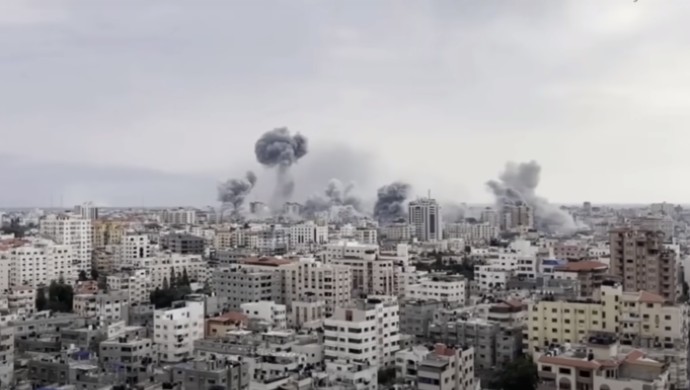
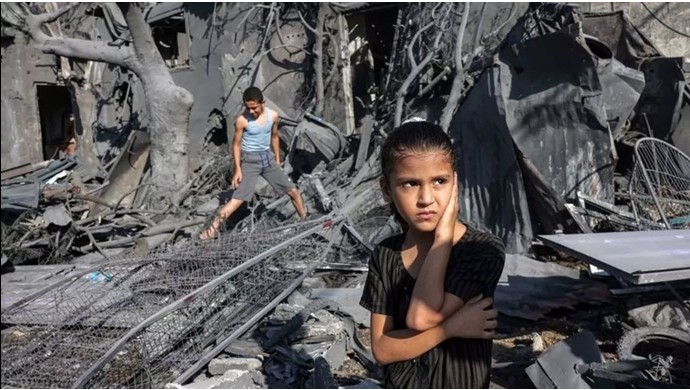
Recently, the Gaza Strip has been a scene of immense suffering and loss. With over 12,000 Palestinians dead, more than 30,000 injured, and countless displaced, the region's tragedy has been met with a chilling response from Iranian regime officials.


Ebrahim Raisi described the Gaza situation as a catalyst for “global justice and order,” a statement that has sparked controversy and concern.

Iran’s 20-Year Vision Yields Disappointment and Regression

In 2003, Iran's Supreme Leader Ali Khamenei introduced the ambitious "Iran’s 20-Year Vision" plan, aiming to position the nation as a regional leader in economy, science, and technology by 2025.


In 2003, Iran’s Supreme Leader Ali Khamenei introduced the ambitious “Iran’s 20-Year Vision” plan, aiming to position the nation as a regional leader in economy, science, and technology by 2025. Spearheaded by then-President Mohammad Khatami, this strategy was designed to unfold over five four-year terms, with each successive government continuing its implementation. However, as 2025 approaches, the reality starkly contrasts the envisioned future.

European Parliament Conference Addresses Iran’s Terrorism and Advocates Firm Policies

On November 22, a conference was held at the European Parliament, chaired by MEP Javier Zarzalejos, focusing on the recent terrorist attempt against Professor Alejo Vidal-Quadras, former First Vice President of the European Parliament.

On November 22, a conference was held at the European Parliament, chaired by MEP Javier Zarzalejos, focusing on the recent terrorist attempt against Professor Alejo Vidal-Quadras, former First Vice President of the European Parliament.


The conference, which included various political representatives and Iranian opposition President-elect Maryam Rajavi of the National Council of Resistance of Iran (NCRI), addressed the Iranian regime’s role in regional terrorism and warmongering.

Iran’s Refusal to Back Two-State Consensus Deepens Divide in Middle East Peace Process

As the Middle East crisis enters its 50th day with the ongoing war in Gaza, a global consensus has coalesced around the "two-state" solution as the key to attaining lasting peace in the region.


This approach, strongly advocated by Palestinian President Mahmoud Abbas, aligns with previous international agreements and enjoys widespread support. However, the Iranian regime remains a notable exception to this consensus, starkly opposing the two-state solution and advocating for a “one-state” alternative.